English
 français
 Español
 русский
 português
 العربية
 Türkçe
 tiếng việt
 Burmese
Phone:
+8603175985777
 Hebei Changhua Star Vehicle Co.,Ltd.
WHAT ARE YOU LOOKING FOR?
Hebei Changhua Star Vehicle Co.,Ltd.
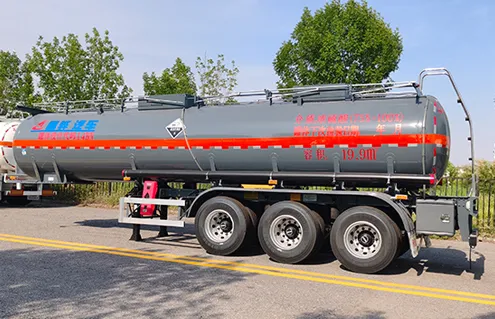
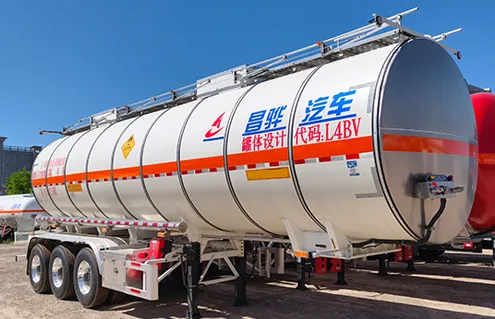
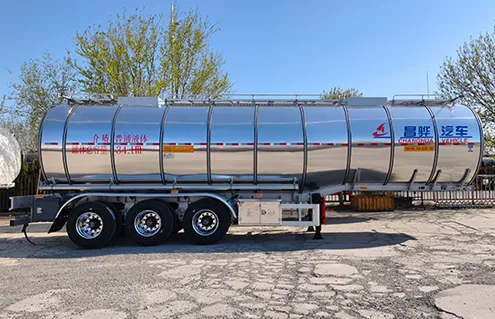
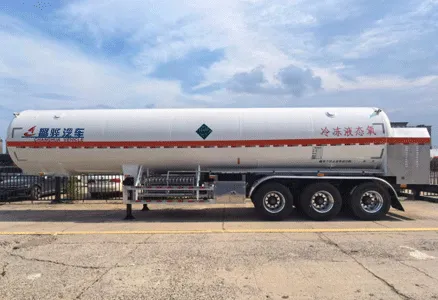
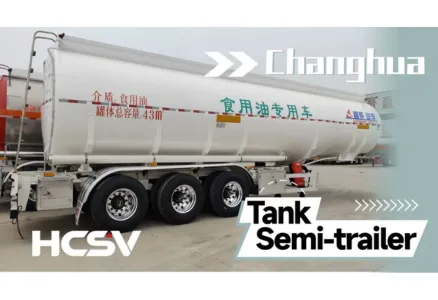
Hebei Changhua Special Vehicle Co., Ltd. (hereinafter “HCSV”) has recently completed a comprehensive, application-specific upgrade of its custom tanker trailer solutions for the Indonesian market. Designed for the region’s long rainy seasons, muddy unpaved roads, and hot, humid, highly corrosive rainforest environment, the upgrade introduces systematic improvements across six areas: chassis corrosion protection, suspension and running gear, brake air lines, tank structure, electrical protection, and local regulatory compliance. These measures are intended to help export fleets address rapid corrosion, wheel slip, frequent failures, discharge residue and leakage, and high maintenance costs—supporting reliable overseas operations and improved cost efficiency.

Unlike transport on paved roads in China, rainforest areas of Indonesia are characterized by persistent rainfall, uneven and muddy unpaved roads, and year-round high temperatures and humidity. Standard, general-purpose tankers can deteriorate much faster once deployed in these conditions, with four common issues emerging. First, severe corrosion: heat and humidity, combined with mud and decomposing organic matter that cling to the vehicle, can quickly corrode the frame, chassis, and fasteners. Second, unstable handling: rough roads generate heavy impacts, which can deform or fracture conventional suspension systems; vehicles may also slip or become bogged down on wet, soft ground. Third, frequent malfunctions: muddy water entering the braking, pneumatic, and electrical systems may lead to brake failure, short circuits, and other faults. Fourth, discharge problems: high humidity accelerates seal aging, causing residual cargo and leakage during unloading. In remote rainforest areas, spare parts may be scarce and repairs difficult, so a single fault can result in prolonged downtime and directly erode fleet profitability.
The solution replaces conventional paint-only treatment with sandblasting pretreatment and a heavy-duty, multi-layer anti-corrosion coating system to protect the chassis structure comprehensively. Thicker steel is used for key load-bearing components, wear-resistant protective plates are added, and vehicle fasteners are upgraded to stainless steel suited to hot and humid environments. These measures help slow corrosion at its source and extend vehicle service life.
To cope with potholes and uneven roads, the vehicle is equipped with reinforced heavy-duty leaf-spring suspension and an upgraded bogie assembly, improving torsional strength and impact resistance while reducing the risk of suspension deformation and broken leaf springs. Optional mud-terrain tires designed for rainforest conditions improve grip on wet, soft surfaces and help reduce slipping and bogging down. Wider and taller mudguards also limit mud spray and protect critical components.
Waterproof protective sleeves are fitted to pneumatic-line connectors throughout the vehicle, and dedicated hoses with hydrolysis resistance and anti-aging properties are used. An EBS (Electronic Braking System) with optimized parameters helps reduce braking-induced skidding and trailer swing on muddy roads. The brake drums are equipped with an automatic mud-ejection design to prevent mud buildup from impairing heat dissipation, while the valve assemblies are housed in protective enclosures to guard against water and mud immersion as well as impacts from stones.
Liquid tanker models use purpose-selected steel plates and are welded by fully automated robots, followed by non-destructive testing. For buyers comparing tanker trailer types, tank material and structure should be matched to the cargo and operating environment. Reinforced internal surge baffles reduce liquid movement and impact when traveling over rough roads, improving vehicle stability. Protective structures are added around key safety valves to support compliance with Indonesia’s requirements for hazardous-chemical transportation.
The vehicle wiring harness is fully enclosed in waterproof corrugated conduit and fitted with waterproof connectors. Each sensor receives its own protective cover, and wiring is routed higher to avoid mud spray and standing water, helping prevent short circuits. Core electrical components use a modular design that is straightforward to dismantle and replace, making maintenance easier in overseas locations with limited repair facilities and helping reduce downtime.
Vehicle lighting, guardrails, reflective markings, and safety accessories are configured in accordance with applicable Indonesian road-transport regulations. For specialized cargoes, a chemical tanker trailer must also be specified around cargo characteristics and local requirements. Complete inspection and certification documentation is provided to support customs clearance, vehicle registration, and periodic inspections, helping customers manage compliance risks.

To help fleets reduce failures and extend vehicle service life, HCSV recommends four maintenance practices tailored to these operating conditions:
· After operating in mud, promptly wash residual mud from the chassis, brakes, and valve assemblies to prevent prolonged contact from corroding components.
· Inspect the suspension and fasteners regularly, and apply grease as needed to prevent pins and shafts from rusting or seizing.
· Before the rainy season, inspect pneumatic lines and seals and drain accumulated water from the unloading system in advance.
· Carry genuine spare seals, connectors, valves, and other wear parts on the vehicle to prepare for unexpected faults in remote areas.
Overseas tanker transportation cannot rely on a one-size-fits-all vehicle. Matching equipment to real operating conditions through precise customization is essential to helping customers reduce costs and improve efficiency. With more than three decades of experience in specialized vehicle manufacturing, HCSV continues to develop its products around end-user conditions and customer needs, refining its processes for extreme environments in different regions. By combining robust manufacturing capabilities with tailored solutions, the company aims to support the global expansion of Chinese specialized vehicles. HCSV’s guiding vision—“Build the HCSV Brand, Build a Century-Long Enterprise”—means turning the real conditions of every overseas route into a basis for product improvement and creating lasting value for transport professionals worldwide.