English
 français
 Español
 русский
 português
 العربية
 Türkçe
 tiếng việt
 Burmese
Phone:
+8603175985777
 Hebei Changhua Star Vehicle Co.,Ltd.
WHAT ARE YOU LOOKING FOR?
Hebei Changhua Star Vehicle Co.,Ltd.
In road freight transportation, transporting high-temperature liquid cargo remains one of the most technically demanding specialized applications.
From bitumen used in road construction to molten sulfur used in chemical production, as well as various high-temperature resins and industrial fluids, cargo temperatures can easily exceed 100°C. Improper temperature control can cause cargo to solidify and block discharge systems, making unloading impossible. In more serious cases, it can lead to product quality degradation and even safety risks. As a core piece of transport equipment, a tanker trailer's insulation configuration directly affects transportation efficiency, cargo quality, and overall operating costs.
At the core, non-insulated and insulated tanker trailers represent two distinct approaches to temperature management. Their differences extend across structural design, performance, and suitable operating conditions.
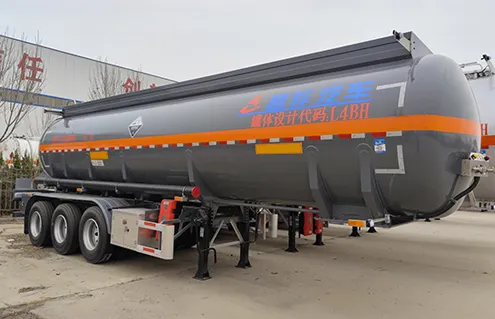
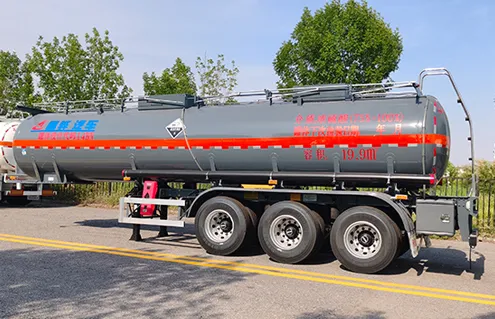
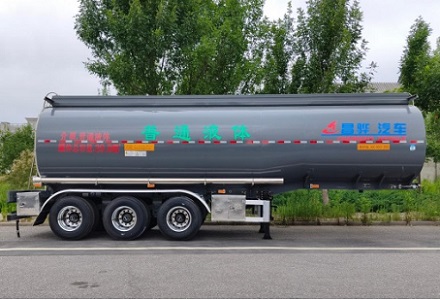
Non-insulated tanker trailers feature a single-layer tank body without a dedicated insulation layer. They rely entirely on the heat already contained in the cargo to maintain its temperature, meaning the temperature inside the tank changes naturally with ambient conditions. These trailers have a simple structure, lower tare weight, and lower purchase costs. However, they offer virtually no temperature-control capability and are suitable mainly for short-distance transportation in relatively warm environments or for ordinary liquid cargo that is not sensitive to temperature fluctuations. When transporting high-temperature cargo, non-insulated tanker trailers lose heat quickly, making viscosity increases and solidification highly likely during long-distance journeys.
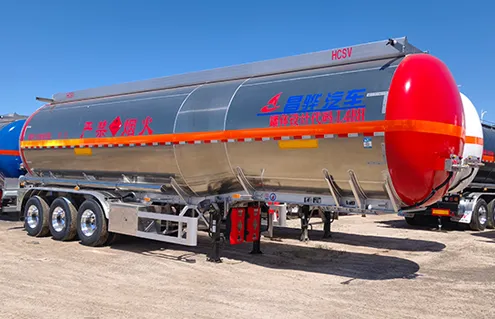
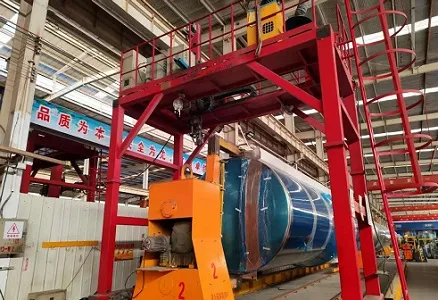
Insulated tanker trailers, by contrast, use high-performance insulation materials within the tank's surrounding structure to significantly reduce heat loss through passive insulation. High-quality models may use integral polyurethane foam or rock wool insulation, combined with a sealed tank structure. Under suitable operating conditions, they can limit temperature loss to approximately 1–3°C over 24 hours, helping maintain cargo temperature for extended periods without consuming external energy. Some models can also be equipped with steam heating coils, thermal oil circulation systems, or electric heat tracing. These configurations provide combined insulation and heating capabilities, allowing the trailer to actively restore heat and handle extremely cold weather and extended transportation routes.

High-temperature liquid cargo includes a wide range of materials with significantly different temperature requirements and solidification characteristics. This is why selecting the right tanker trailer must begin with an understanding of the cargo being transported.
Bitumen/Asphalt
Bitumen is one of the most typical types of high-temperature cargo. Its temperature at the point of dispatch is usually 140–160°C, while the unloading temperature must not fall below 130°C. If the temperature drops too low, bitumen viscosity rises sharply until the material solidifies. This not only prevents pumping and unloading but may also cause permanent damage to the tank's piping system. A standard insulated tanker trailer may be suitable for short-distance transfers, while long-distance and cross-regional transportation requires an insulated tanker trailer equipped with a heating system. Depending on the operating requirements, an asphalt tank trailer with suitable heating capabilities can help maintain cargo temperature and support reliable unloading.
Molten Sulfur
Molten sulfur is typically transported at 120–145°C, with a freezing point of approximately 115°C. Its narrow operating temperature range requires more precise temperature control. Once the temperature falls below its freezing point, sulfur crystallizes and solidifies rapidly, making tank cleaning extremely difficult. Therefore, specialized tanker trailers with excellent insulation performance are essential. Routes through colder regions may also require electric heat-tracing systems.
Other materials, including molten paraffin wax, high-temperature resins, liquid sugar products, and industrial fats and oils, also have their own temperature thresholds. They share one fundamental characteristic: temperature determines both flowability and cargo quality.
There is no universally superior option between insulated and non-insulated tanker trailers. The right choice depends on how well the equipment matches the transportation requirements. Businesses can evaluate their needs across the following four dimensions.
Transportation distance is the first factor to consider. For transfers within industrial facilities or short-distance deliveries of less than 50 km, non-insulated tanker trailers may be more economical when ambient temperatures are suitable. Their advantages include lower tare weight, greater potential payload capacity, and lower purchase costs.
For medium- and long-distance transportation exceeding 100 km, particularly cross-regional trunk routes, the ability of an insulated tanker trailer to control temperature loss can directly determine whether the cargo can be unloaded properly. In these situations, insulation is essential.
Climate conditions in the operating region are equally important. In hot environments, a standard insulated tanker trailer may meet the transportation requirements of most high-temperature liquids. However, during winter in northern regions or in colder markets such as Central Asia and Russia, ambient temperatures can fall to approximately -20°C to -30°C. Under these conditions, heat loss accelerates significantly.
To maintain reliable transportation, operators must consider trailers with thicker insulation layers or active heating capabilities, depending on the cargo and route requirements.
The cargo's freezing point and sensitivity to temperature fluctuations are central to equipment selection. Materials with higher freezing points and narrower operating temperature ranges, such as molten sulfur, require better insulation performance. Materials with lower freezing points and greater tolerance for temperature variations may allow for less demanding configurations.
For high-value chemical products with strict quality requirements, a real-time temperature monitoring system may also be necessary to record temperature data throughout the transportation process.
Non-insulated tanker trailers cost less initially, but they may involve higher risks of cargo loss, longer unloading delays, and greater tank-cleaning expenses. Insulated tanker trailers require a larger initial investment, but they help protect cargo quality, improve transportation efficiency, and support a wider range of operating conditions.
For businesses that regularly transport high-temperature cargo, insulated tanker trailers may offer a lower total cost over their service life.

As an established manufacturer in the specialized vehicle industry, HCSV has more than 30 years of experience in tanker trailer manufacturing. Guided by the development philosophy of producing high-quality products, building a respected brand, and establishing a business with lasting value, HCSV offers a product range covering non-insulated, insulated, and heated tanker trailers for high-temperature cargo transportation.
These products serve industries such as road and bridge construction, chemicals, and energy. They are also exported to markets across the Middle East, Southeast Asia, Central Asia, and other regions along the Belt and Road routes.
HCSV insulated tanker trailers use an insulation process involving integral glass fiber wool filling. The insulation layer features a uniform density distribution, low thermal conductivity, and stable performance under elevated temperatures. Combined with a multilayer tank sealing and protection structure, this design helps interrupt heat-transfer paths and reduce thermal bridging. The result is improved temperature retention over a 24-hour period.
Tank materials can be selected from various specifications, including Q345R carbon steel designed for pressure vessels and stainless steel. The tanks are designed and manufactured in accordance with applicable standards and have obtained multiple internationally recognized certifications. These options allow the equipment to accommodate the corrosion characteristics and temperature conditions of different transported media.
For specialized high-temperature materials such as bitumen and sulfur, HCSV can customize steam heating systems and burner-based heating systems. These configurations provide uniform heating and precise temperature control to support successful unloading under demanding operating conditions.
The complete vehicle can also be equipped with high-precision temperature sensors and display instruments, enabling the visualization and monitoring of temperature, location, and operating status throughout transportation. This information provides valuable data support for fleet operations.
With a modern production facility covering 530,000 square meters, an annual manufacturing capacity of 6,500 units, and established export qualifications and overseas service capabilities, HCSV can provide global customers with integrated high-temperature logistics equipment solutions, from equipment selection and customized manufacturing to after-sales support.
For high-temperature cargo transportation, reliability is paramount. Choosing between insulated and non-insulated tanker trailers ultimately means finding the right balance between cost and operational reliability.
For occasional, short-distance transportation of high-temperature cargo, non-insulated tanker trailers may be the more economical option under suitable conditions. For regular, medium- and long-distance transportation, specialized insulated tanker trailers or heated tanker trailers are essential for maintaining operational efficiency and protecting cargo safety.
HCSV remains committed to driving product improvements through technology and earning market trust through quality. By matching each customer with tanker trailer equipment suited to their specific requirements, HCSV aims to support safer, more efficient, and more cost-effective high-temperature logistics operations.