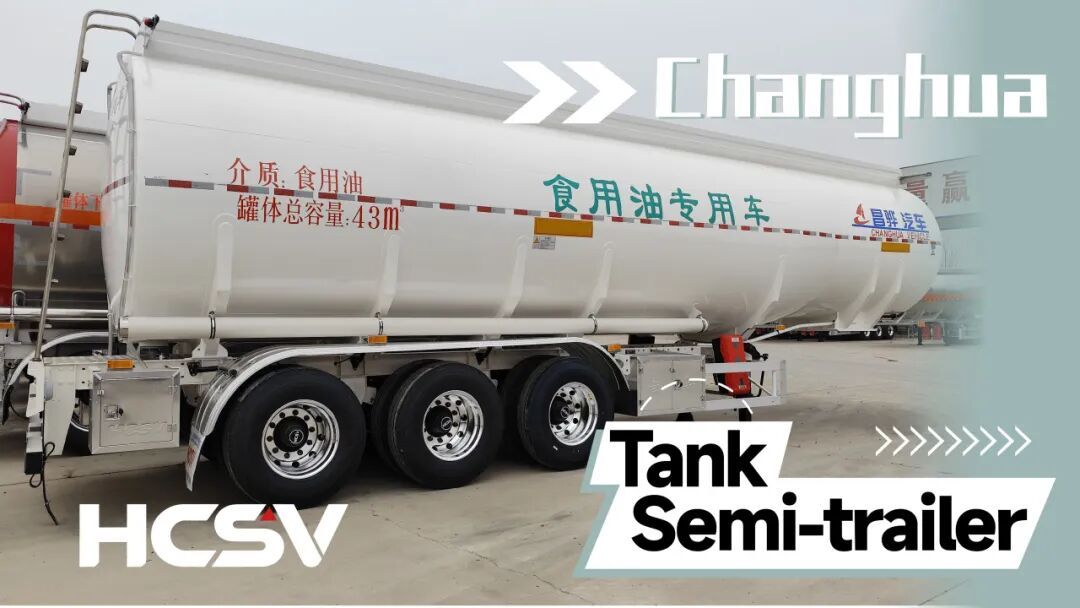
For operators engaged in Food Tank Trailer transportation, the fundamental principle of edible oil logistics can be summarized in six words: preserve quality and ensure compliance. This is a non-negotiable standard across the industry. Once edible oil becomes contaminated, develops off-odors, or experiences quality deterioration during transportation, it may not only be rejected by customers and lead to substantial compensation claims, but could also violate food safety regulations, resulting in severe legal and regulatory consequences.
Stainless Steel Tank Trailers: The Ultimate Choice for Hygiene and Purity
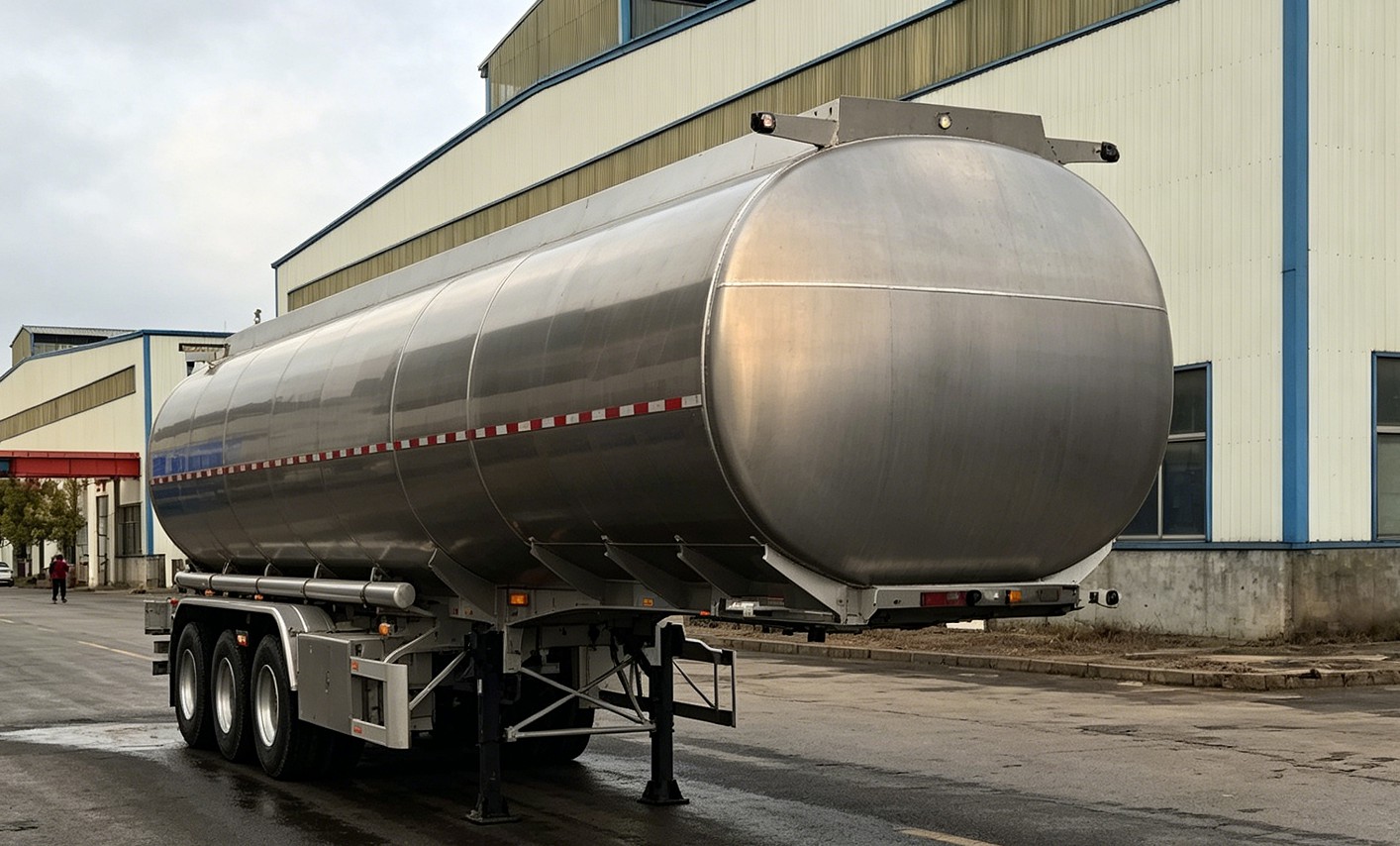
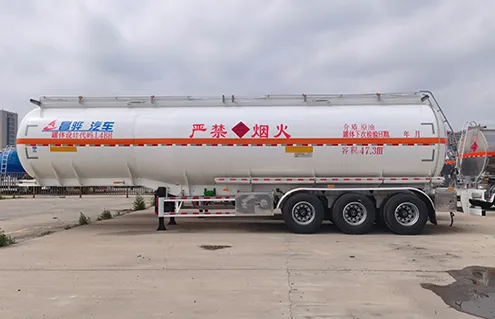
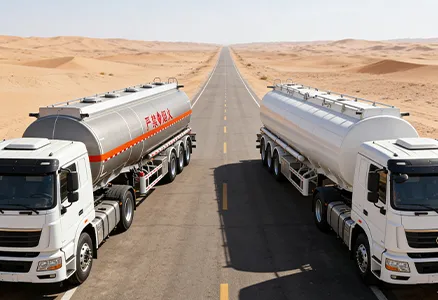
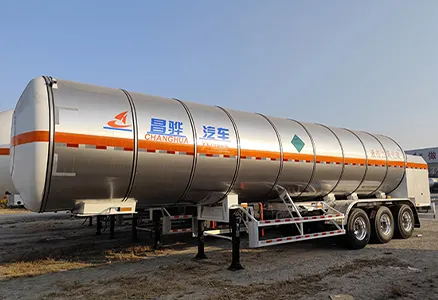
Thanks to the exceptional properties of stainless steel—particularly 304 and 316L austenitic stainless steel—stainless steel tankers have become the gold standard for edible oil transportation and the preferred solution for premium edible oils and multi-product logistics applications. The HCH9406GSY35 Stainless Steel Semi-Trailer from HCSV fully leverages the advantages of stainless steel construction, providing comprehensive protection against contamination risks throughout the transportation process.
1. Superior Material Stability Prevents Corrosion Contamination
A natural passive oxide layer forms on the surface of stainless steel, providing outstanding corrosion resistance and preventing rust formation. This eliminates the risk of rust contaminating edible oils at the source. Whether transporting common products such as soybean oil and rapeseed oil or premium oils such as peanut oil and olive oil, the stainless steel tank interior remains clean and uncontaminated, helping preserve the oil's color, flavor, and nutritional value.
2. Smooth Interior Surface for Easy Cleaning and Zero Residue
The tank interior is precision-polished to achieve a smooth, mirror-like finish without grooves or crevices where residues can accumulate. After each delivery, the tank can be effectively cleaned using water flushing or steam sterilization, significantly reducing cleaning time and operating costs. Faster cleaning cycles also improve fleet utilization and operational efficiency. In addition, the smooth inner surface minimizes the risk of cross-contamination. When transporting different grades or varieties of edible oil, proper cleaning procedures ensure product integrity is maintained, making the vehicle ideal for diversified transportation operations.
3. Excellent Chemical Inertness Protects Oil Quality
304 and 316L stainless steel exhibit exceptional chemical stability and inertness. The material does not react with edible oil components and does not release harmful substances such as heavy metals or plasticizes into the cargo. This characteristic fully complies with stringent food-contact material requirements and helps preserve the original quality of edible oils throughout transportation. As a result, consumers can trust the safety of the product, while transport operators can confidently meet food safety and compliance standards.
Aluminum Tanker Trailers: Balancing Safety and Operational Efficiency
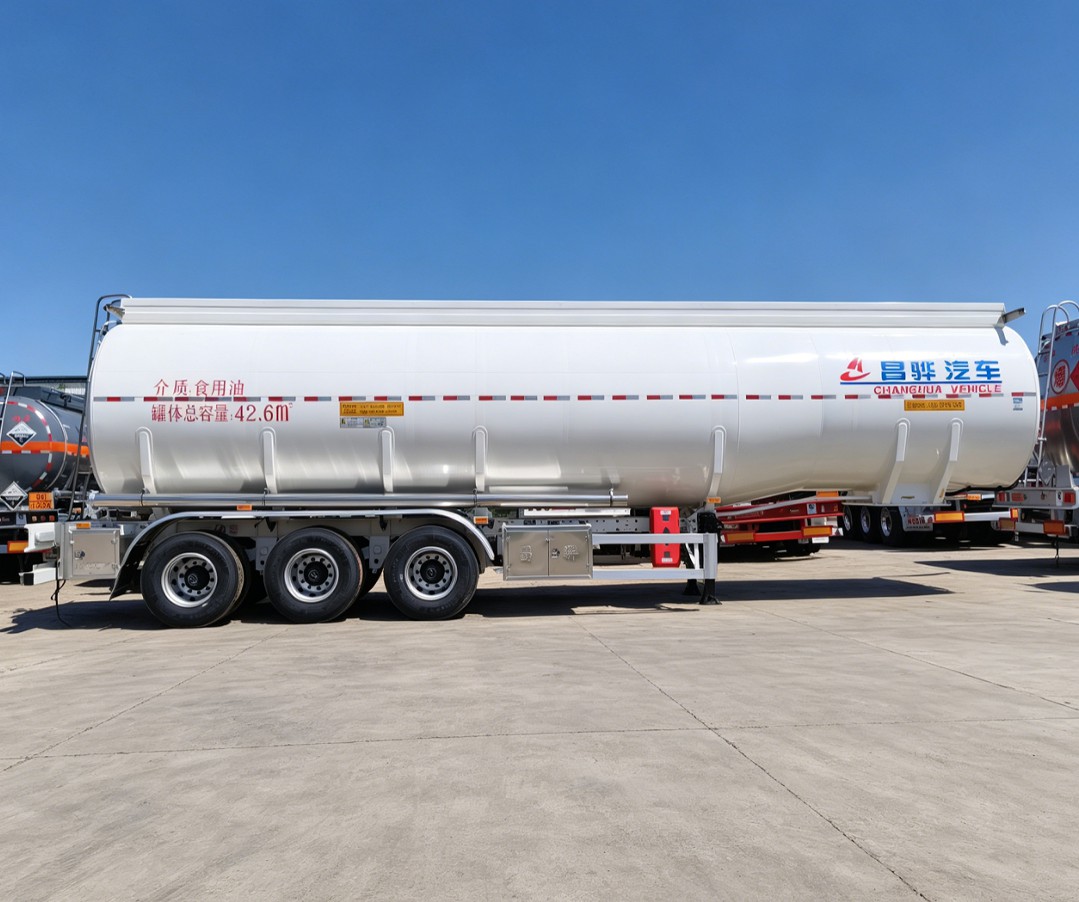
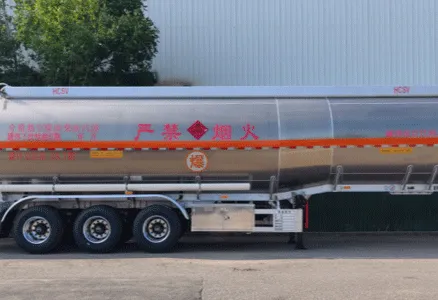
As transportation companies increasingly pursue lightweight equipment and higher payload efficiency, aluminum alloy has become an ideal material choice for long-distance edible oil transportation. The HCH9406GSY Aluminium Tanker Trailer from HCSV is manufactured using high-strength food-grade aluminum alloy, delivering outstanding food safety performance while significantly reducing vehicle weight and improving operating profitability.
1. Lightweight Design Maximizes Payload Capacity
Through optimized structural engineering, the HCSV aluminum tanker trailer achieves substantial weight reduction without compromising tank strength or operational safety. Compared with stainless steel tank trailers of the same capacity, an aluminum tanker can reduce vehicle tare weight by approximately 30%, allowing operators to carry several additional tons of edible oil per trip. In weight-based transportation markets, this translates directly into increased revenue and improved transportation efficiency.
2. Excellent Corrosion Resistance Meets Food Transportation Standards
Food-grade aluminum alloy offers excellent corrosion resistance, preventing rust formation and ensuring that the tank material does not react with edible oils during transportation. The tank interior undergoes precision surface treatment to achieve a smooth and uniform finish that is easy to clean and resistant to residue accumulation. This helps minimize the risk of cross-contamination while fully meeting the hygiene requirements of edible oil transportation.
3. Superior Fuel Economy Reduces Operating Costs
Lower vehicle weight directly contributes to improved fuel efficiency. Based on real-world operating data, HCSV’s Aluminium Tanker Trailer can reduce fuel consumption by approximately 1–2 liters per 100 kilometers compared with stainless steel tanker trailers of similar capacity. In today’s high fuel-cost environment, these savings can significantly reduce operating expenses over the vehicle's life-cycle, helping transportation companies improve profitability while maintaining efficient and compliant operations.
Which Material Is Right for Your Edible Oil Transportation Business?
Both stainless steel and aluminum alloy tankers offer distinct advantages, and the ideal choice depends on your transportation routes, cargo characteristics, operational requirements, and profitability goals.
Choose the HCSV HCH9406GSY35 Stainless Steel Semi-Trailer for Maximum Product Protection
If your business primarily transports premium edible oils such as olive oil, camellia oil, or other high-value food-grade products, or if you frequently switch between different oil types and grades, the HCSV HCH9406GSY35 Stainless Steel Semi-Trailer is the preferred solution. Its superior cleanliness, excellent corrosion resistance, and outstanding anti-contamination performance help maintain the original quality, flavor, and nutritional value of edible oils throughout transportation. For operators serving high-end food manufacturers and premium oil brands, the exceptional hygiene standards of a stainless steel tank can provide a significant competitive advantage and help build long-term customer trust.
Choose the HCSV HCH9406GSY Aluminium Tanker Trailer for Greater Operating Efficiency
For companies focused on long-distance trunk transportation, large-volume deliveries, and relatively consistent cargo types, the HCSV HCH9406GSY Aluminium Tanker Trailer offers substantial economic benefits. Its lightweight construction allows for higher legal payload capacity while reducing overall vehicle weight, resulting in improved fuel efficiency and lower operating costs. For transportation businesses seeking to maximize cargo volume and profitability per trip, an aluminium tanker provides an ideal balance between food-grade safety, transportation efficiency, and long-term return on investment.
Practical Guide to Compliant Edible Oil Transportation Operations
Regardless of whether operators choose a Stainless Steel Semi-Trailer or an Aluminium Tanker Trailer, maintaining strict compliance standards and following proper operating procedures are essential for protecting food safety and safeguarding business interests. HCSV reminds all transportation operators that food safety begins with every detail of the transportation process and should never be compromised.
1. Clearly Identify Dedicated Equipment
The tank body must be clearly marked as being exclusively used for edible oil transportation. Under no circumstances should the vehicle be used to transport gasoline, diesel fuel, chemical raw materials, or any other non-food substances. Mixed transportation not only creates serious food safety risks but may also result in significant regulatory penalties and legal liabilities.
2. Establish Comprehensive Documentation
Operators should maintain complete vehicle operation records and cleaning documentation, including the type of edible oil transported, cargo volume, loading and unloading times, cleaning schedules, and sanitization methods. A well-documented management system ensures full traceability throughout the transportation process and supports compliance with food safety regulations.
3. Standardize Cleaning Procedures
The tank must be thoroughly cleaned immediately after each transportation cycle. When switching between different edible oil products, stricter cleaning and sanitization procedures should be implemented to prevent cross-contamination. If necessary, professional tank cleaning service providers can be engaged to ensure that the tank meets food-grade transportation standards before the next loading operation.
4. Strengthen Routine Maintenance
Regular inspections should be carried out on critical components such as tank weld seams, valves, seals, and piping systems to identify and eliminate potential leakage risks at an early stage. Operators should also avoid exposing the tank to strong acids, alkali, or other corrosive substances that could affect structural integrity and reduce equipment service life.
Food safety is of paramount importance, and edible oil transportation represents a critical link in the food supply chain. There is no room for negligence when it comes to preserving product quality and ensuring transportation compliance. Guided by its commitment to safeguarding transportation safety and supporting industry development, Hebei Changhua Special Purpose Vehicle Co., Ltd. (HCSV) continues to develop and manufacture safer, more efficient, and fully compliant transportation solutions, including advanced Food Tank Trailer products designed to meet the evolving requirements of the global edible oil logistics industry.
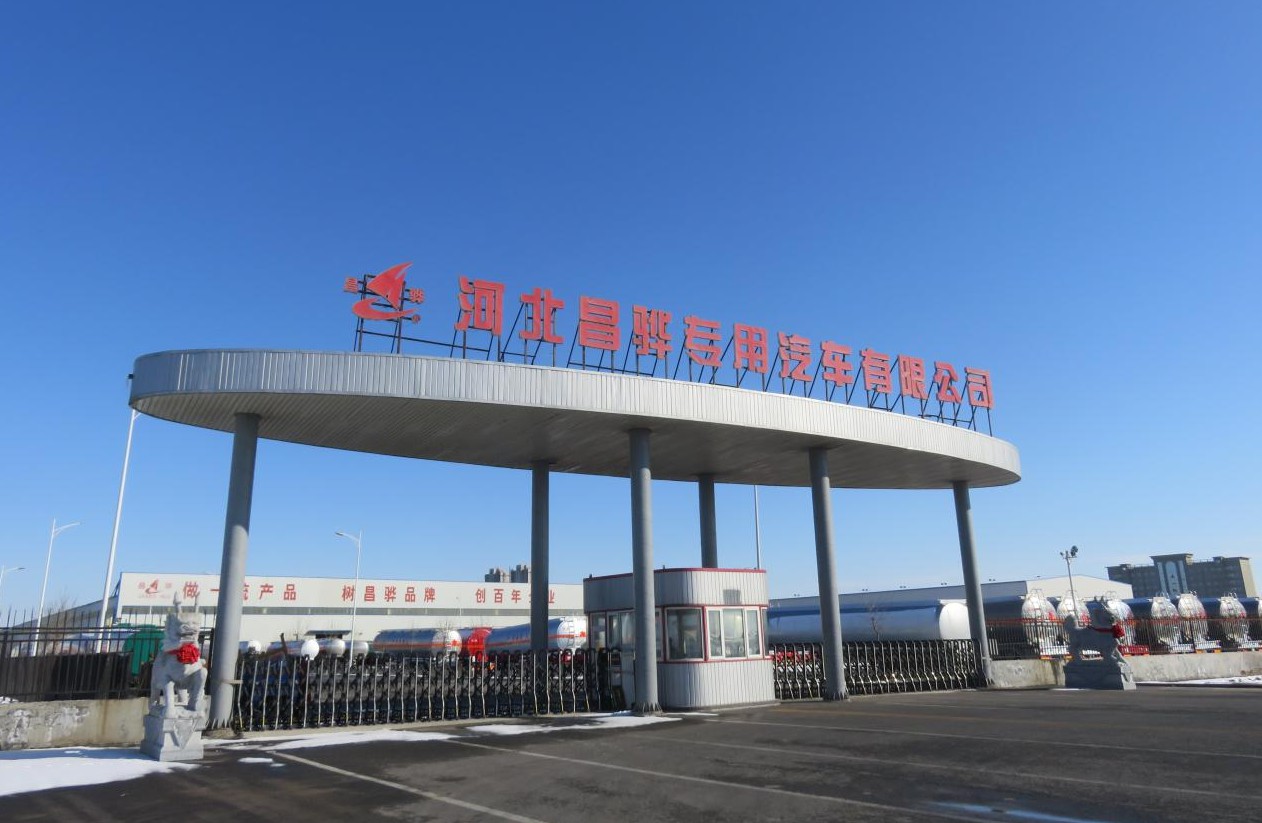
 Hebei Changhua Star Vehicle Co.,Ltd.