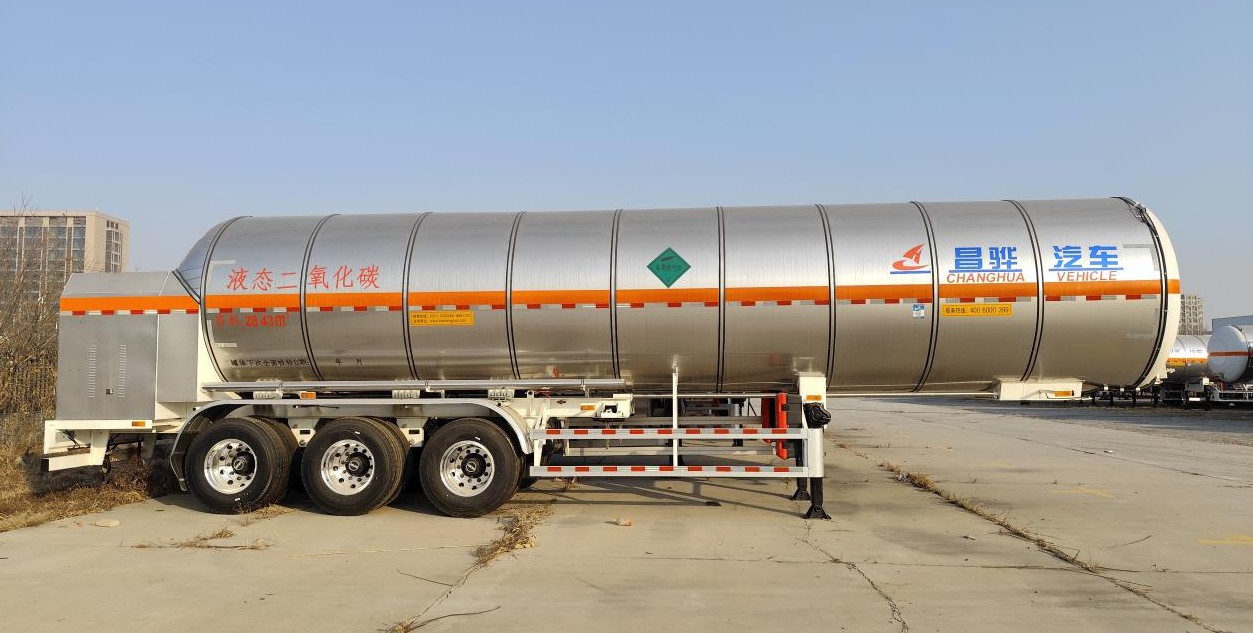
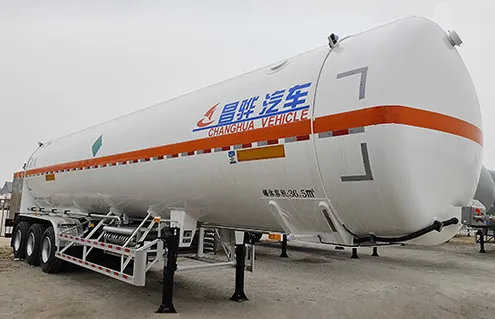
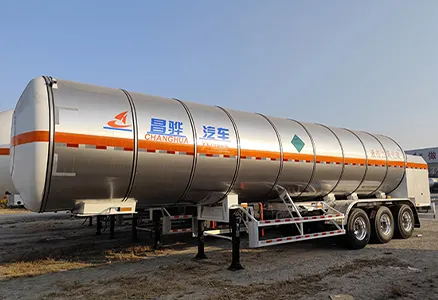
In the transportation of hazardous materials, liquid carbon dioxide presents unique challenges due to the combination of cryogenic temperatures and high-pressure operating conditions. The technical performance of transportation equipment directly impacts operational safety, cargo integrity, and long-term profitability. Developed by HCSV, the HCH9400GDYB CO2 Tanker is a specialized solution engineered for cryogenic liquid transportation. With a robust design, advanced tank technology, and comprehensive safety features, it has become a highly competitive option in the cryogenic transportation sector. This article provides an in-depth look at the HCH9400GDYB CO2 Tanker, covering its key specifications, tank structure, safety systems, and operational advantages that make it an ideal choice for liquid carbon dioxide transportation.
Manufacturing Heritage: Backed by 32 Years of Engineering Expertise
Founded in 1994, HCSV has grown from a small repair workshop into one of China's leading specialized vehicle manufacturers over the past 32 years. The company pioneered several industry milestones, including the development of China's first single-layer mobile pressure vessel and its first double-layer pressure vessel, later applied in the LNG Trailer segment. Today, HCSV holds 85 independently owned intellectual property rights and has been recognized as a National High-Tech Enterprise and a Hebei Province "Specialized, Refined, Distinctive and Innovative" Enterprise. Supported by ISO9001 Quality Management System certification and China Compulsory Certification (CCC), the company maintains a rigorous and reliable manufacturing system.
Key Specifications at a Glance
The HCH9400GDYB CO2 Tanker features a gross vehicle weight of 40,000 kg, a curb weight of 12,368 kg, and a rated payload capacity of 27,632 kg, delivering a payload-to-curb-weight ratio of approximately 2.23. This balanced lightweight design helps maximize transportation efficiency while maintaining structural strength and safety. The tank offers a total volume of 28.43 m³ and an effective capacity of 28.42 m³, with a precisely calibrated filling density of 972 kg/m³. To accommodate different transportation routes and operational requirements, the vehicle is available in two configurations. The long-wheelbase version measures 13,410 mm in overall length with a wheelbase arrangement of 6,940 + 1,310 + 1,310 mm, while the shorter version measures 12,520 mm with a wheelbase of 6,310 + 1,310 + 1,310 mm. All configurations are equipped with air suspension systems and can be fitted with 11R22.5 or 12R22.5 radial tires. This setup fully complies with hazardous materials transportation requirements while effectively reducing road vibration, improving ride stability, and protecting the tank structure during long-distance operations.
Tank Structure and Thermal Insulation System
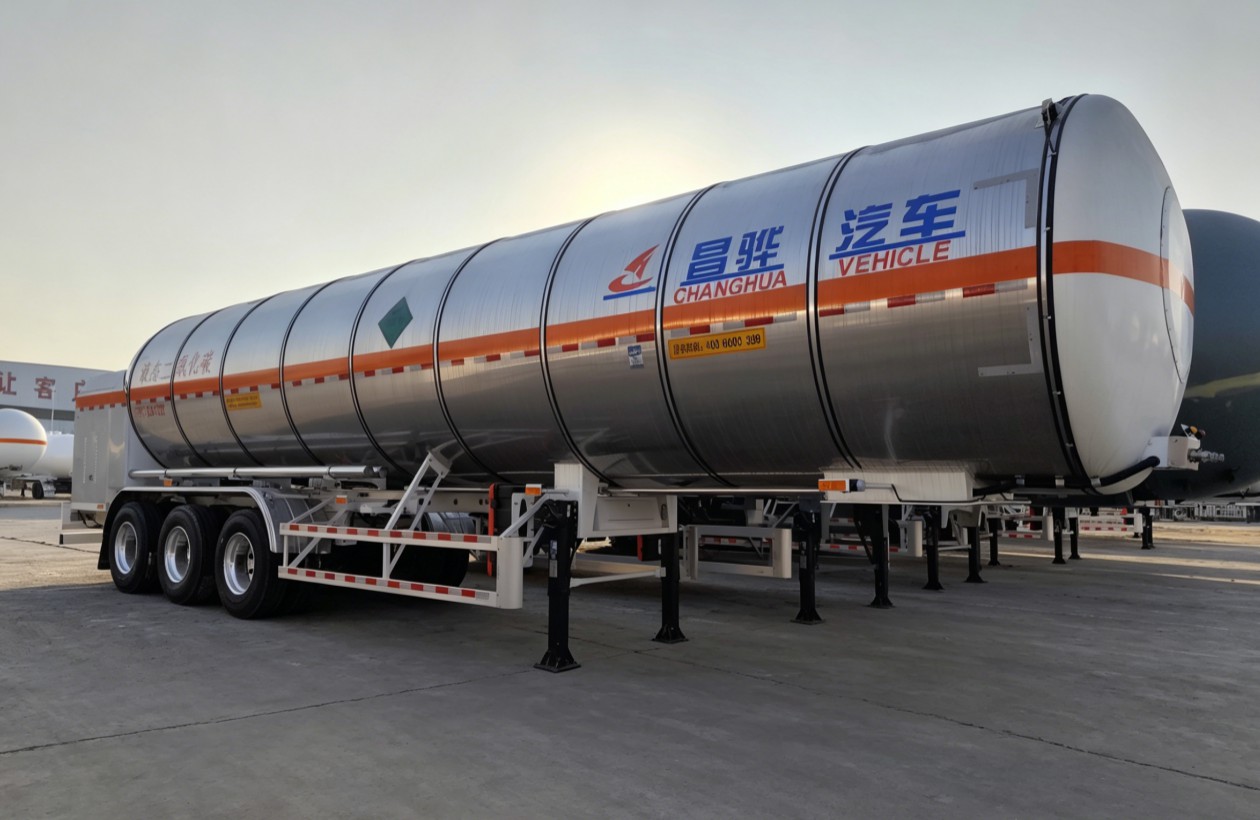
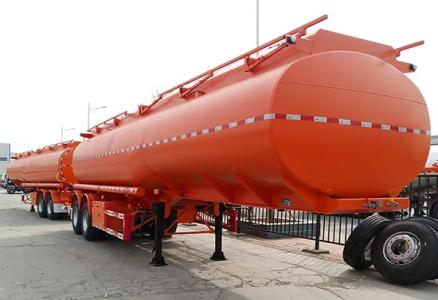
For any cryogenic transportation vehicle, the tank structure is the heart of the entire system. The HCH9400GDYB CO2 Tanker utilizes a double-wall insulated tank design, which is the industry-standard solution for transporting cryogenic liquids safely and efficiently.
Detailed Structural Parameters
For the extended version with an overall vehicle length of 13,410 mm, the insulation layer thickness reaches 200 mm, while the outer vessel dimensions measure 12,186 × Φ2,222 mm. For the shorter version measuring 12,520 mm in length, the insulation layer thickness is 180 mm, and the outer vessel dimensions are 11,324 × Φ2,232 mm. These two configurations provide operators with flexibility to match different transportation capacities and route conditions.
Operational Benefits of Superior Insulation Performance
The double-wall insulation system is designed to minimize heat transfer from the external environment into the tank, significantly reducing vaporization losses during transportation. For fleet operators, this translates directly into lower product loss, higher unloading efficiency, and improved transportation profitability.
Even under ideal operating conditions, cryogenic liquefied gases will gradually vaporize due to unavoidable heat ingress after loading. Therefore, the effectiveness of the insulation system directly impacts both cargo preservation and operational safety. By minimizing boil-off rates and maintaining stable tank conditions throughout transit, the HCH9400GDYB CO2 Tanker provides operators with greater safety margins and enhanced economic performance for liquid carbon dioxide transportation.
Safety Configuration: Multi-Layer Protection for Comprehensive Operational Security
For hazardous material transportation vehicles, safety configuration represents the fundamental operational baseline. The HCH9400GDYB CO2 Tanker is engineered with a robust and reliable safety architecture covering braking systems, protective structures, and loading/unloading operations to ensure stable and secure performance under demanding working conditions.
1. Braking System
The vehicle is equipped with an Electronic Braking System (EBS), offering multiple brand options to meet diverse fleet requirements, including Ruili Kormee (CM-TEBS), WABCO (4801020640), and Knorr-Bremse (such as K11061XVXX models). This flexible configuration allows operators to match different tractor units and optimize system compatibility based on specific operational needs, improving overall braking performance and driving safety.
2. Protective Devices
The side protection system is constructed from aluminum alloy and connected to the chassis using a bolted structure, ensuring both lightweight performance and structural stability. The rear under-run protection device is made of Q235 steel and welded directly to the frame for enhanced impact resistance. The rear protection section dimensions are 140 × 60 mm or 140 × 90 mm, with a ground clearance of 450 mm. This hybrid steel-aluminum protection design achieves a balanced combination of weight reduction and high-strength impact resistance, significantly improving energy absorption performance during potential collision scenarios.
3. Pump-Based Loading and Unloading System
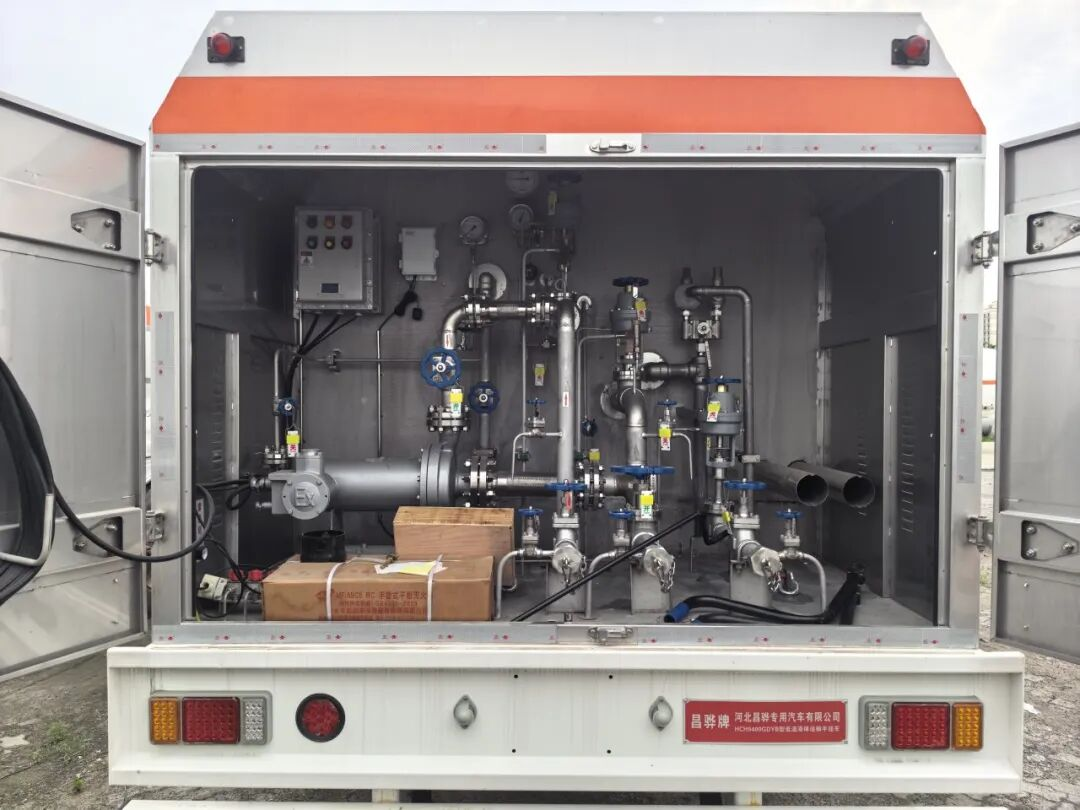
Compared with traditional pressure differential unloading methods, the pump-based loading and unloading system delivers significant operational advantages. It enables higher transfer efficiency with reduced residual product loss, supports a wider range of application scenarios including unloading into high-pressure storage tanks, and operates independently of ambient temperature conditions. In addition, it effectively mitigates risks such as dry ice blockage, leakage, and abnormal over pressure or vacuum conditions. The system is also designed for improved environmental performance, easier operation, and enhanced overall safety and reliability, making it a more economical and efficient solution for modern CO₂ transportation operations.
4. Optimized Pipeline Design
The pump-based loading and unloading operation compartment features a scientifically engineered pipeline layout tailored to the physical and chemical properties of liquid carbon dioxide. From a safety perspective, the system adopts a multi-stage emergency shut-off mechanism, multi-level pressure relief protection, and a fully enclosed explosion-proof design, effectively isolating operational risks within an independent compartment to prevent system-wide impact. From an operational standpoint, the design enables centralized one-stop control, with clearly labeled valves and a dual-pipeline parallel structure that significantly improves usability and maintenance efficiency. This configuration ensures convenient operation while maintaining a high level of safety and system reliability throughout the loading and unloading process.
5. Regulatory Compliance
This model is designed for the transportation of liquid carbon dioxide, classified as Class 2.2 (Non-flammable, non-toxic gas) under dangerous goods regulations. The vehicle type is certified as an AT-type hazardous materials transport vehicle. In accordance with the Regulations on the Management of Road Transportation of Dangerous Goods, this type of vehicle must comply with relevant technical standards, including the Safety Technical Supervision Regulation for Mobile Pressure Vessels (TSG R0005). The tank body must remain within a valid inspection certification period when used for the transportation of hazardous materials, ensuring full compliance with national safety and regulatory requirements.
Operational Advantages: Data-Driven Performance
For liquid carbon dioxide transportation enterprises, vehicle operational efficiency directly determines overall profitability and long-term competitiveness. The HCH9400GDYB CO2 Tanker delivers measurable value across multiple operational dimensions, helping operators achieve higher efficiency and lower lifecycle costs.
High Payload Capacity for Direct Revenue Growth
With a rated payload capacity of 27,632 kg and a filling density of 972 kg/m³, the tank’s effective volume is fully utilized under loaded conditions. Compared with certain competing models in the same category, this loading performance provides strong competitiveness, enabling significantly higher transport efficiency per trip and effectively reducing unit transportation costs.
Lower Overall Operating Costs
The HCH9400GDYB CO2 Tanker is engineered to reduce total cost of ownership across fuel consumption, product loss, and maintenance:
Lower fuel consumption: Lightweight structural design combined with optimized aerodynamic performance reduces driving resistance and improves fuel efficiency during long-distance operations.
Reduced product loss: The high-performance insulation system minimizes daily evaporation rates, effectively reducing gas loss during transportation and improving overall cargo retention.
Lower maintenance costs: The use of high-quality components and a robust structural design significantly reduces failure rates, resulting in fewer repairs and lower long-term maintenance expenses.
Full Regulatory Compliance Assurance
The HCH9400GDYB CO2 Tanker is designed and manufactured in strict accordance with the latest national standards, with complete certification and documentation enabling nationwide registration and operation. Notably, the model has been proactively aligned with the upcoming GB 21668-2025 national standard, effectively mitigating the risk of early asset obsolescence due to future regulatory updates and extending the overall service life of the vehicle fleet.
Liquid CO₂ Transportation: A Professional-Grade Solution
Demand for liquid carbon dioxide continues to grow across industries such as food and beverage, industrial manufacturing, and chemical processing. The global cryogenic liquid transportation trailer market is also expanding steadily, with a compound annual growth rate of approximately 5.5%. The HCH9400GDYB CO2 Tanker is specifically engineered for liquid CO₂ transportation, featuring an effective volume of 28.42 m³ and a precisely calibrated filling density of 972 kg/m³. Compared with general-purpose cryogenic tankers, it offers superior media compatibility and is particularly well-suited for specialized transportation fleets focused on liquid carbon dioxide logistics.
The HCH9400GDYB CO2 Tanker demonstrates a carefully validated design in terms of tank insulation performance, loading efficiency, and safety configuration. It stands as a reliable transportation solution worthy of in-depth evaluation by professional CO₂ logistics operators. Choosing the right vehicle is a strategic decision that directly impacts long-term operational profitability, and HCSV’s 32 years of manufacturing expertise provide a strong foundation for that confidence.
 Hebei Changhua Star Vehicle Co.,Ltd.