Corrosive substances classified as Class 8 hazardous materials impose extremely high requirements on tank material selection and manufacturing processes. If the tank is not properly designed for corrosive media, the consequences can range from structural degradation and escalating maintenance costs to severe leakage incidents, heavy regulatory penalties, and even forced operational shutdowns. In recent years, multiple cases involving improper tank selection have been investigated and penalized, highlighting the critical importance of compliance and engineering precision in corrosive liquid transportation.
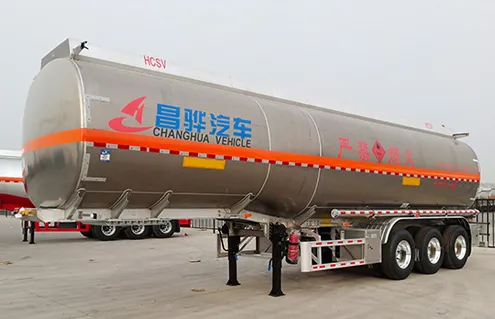
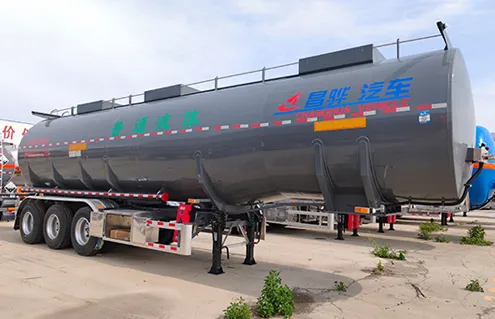
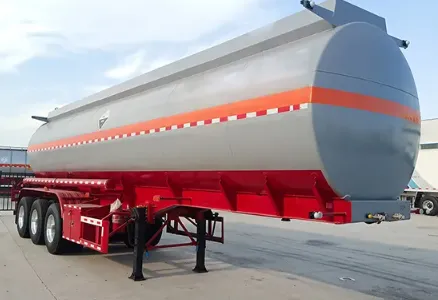
In tank selection practice, traditional carbon steel lined tanks rely on internal polymer linings to isolate corrosive media, offering strong performance in corrosive cargo transportation. However, the outer carbon steel shell results in excessive overall weight, making the tank body heavy and less efficient. This not only increases transportation and installation difficulty but also places higher demands on chassis load-bearing capacity and long-term operational costs. For certain corrosive materials, stainless steel tanks provide an optimized alternative. While maintaining excellent corrosion resistance, they significantly reduce overall vehicle weight compared to lined carbon steel structures. This helps lower total lifecycle costs while improving operational safety and efficiency, making them a more reliable and economical solution for aggressive corrosive media transport. To address these industry challenges, HCSV has developed the HCH9407GFW26 Stainless Steel Semi-Trailer, a dedicated solution engineered specifically for corrosive substance transportation.
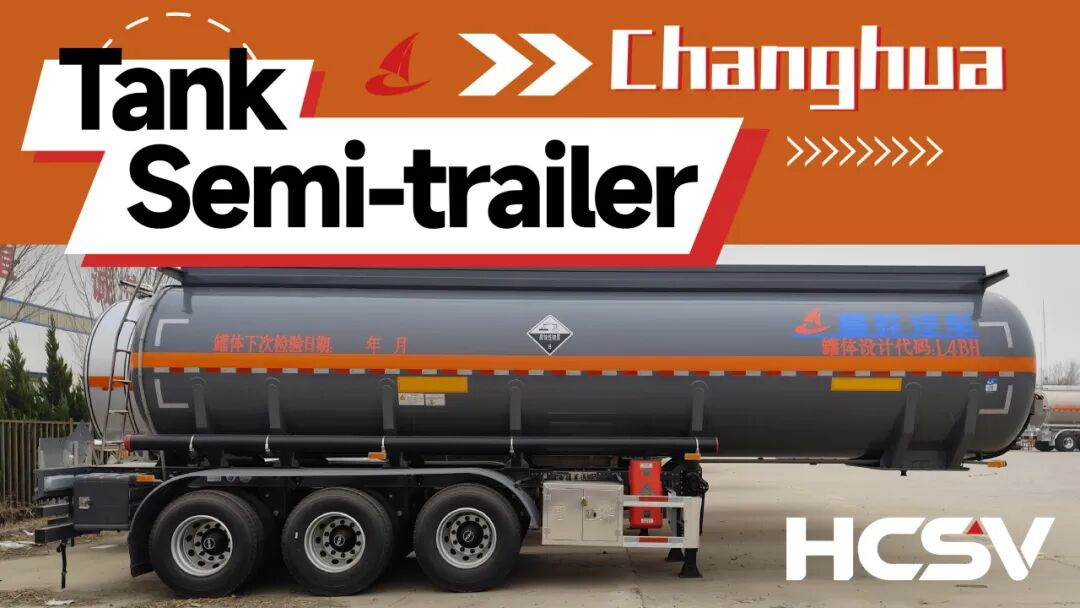
Compliance First: AT-Type Configuration for Class 8 Hazardous Materials
When transporting corrosive substances, regulatory compliance is not only a baseline requirement but also the first and most critical safeguard for preventing legal and operational risks.
There have been documented cases where enterprises illegally used Class 3 (flammable liquid) tankers to transport Class 8 corrosive materials. In such situations, chemical incompatibility between the tank material and the cargo led to corrosion damage, structural failure, and hazardous leakage incidents. As a result, companies faced substantial fines—up to RMB 120,000 in some cases—while responsible managers and safety officers were also held accountable. These incidents are not isolated, and regulatory enforcement against “out-of-scope transportation” continues to intensify across the industry.
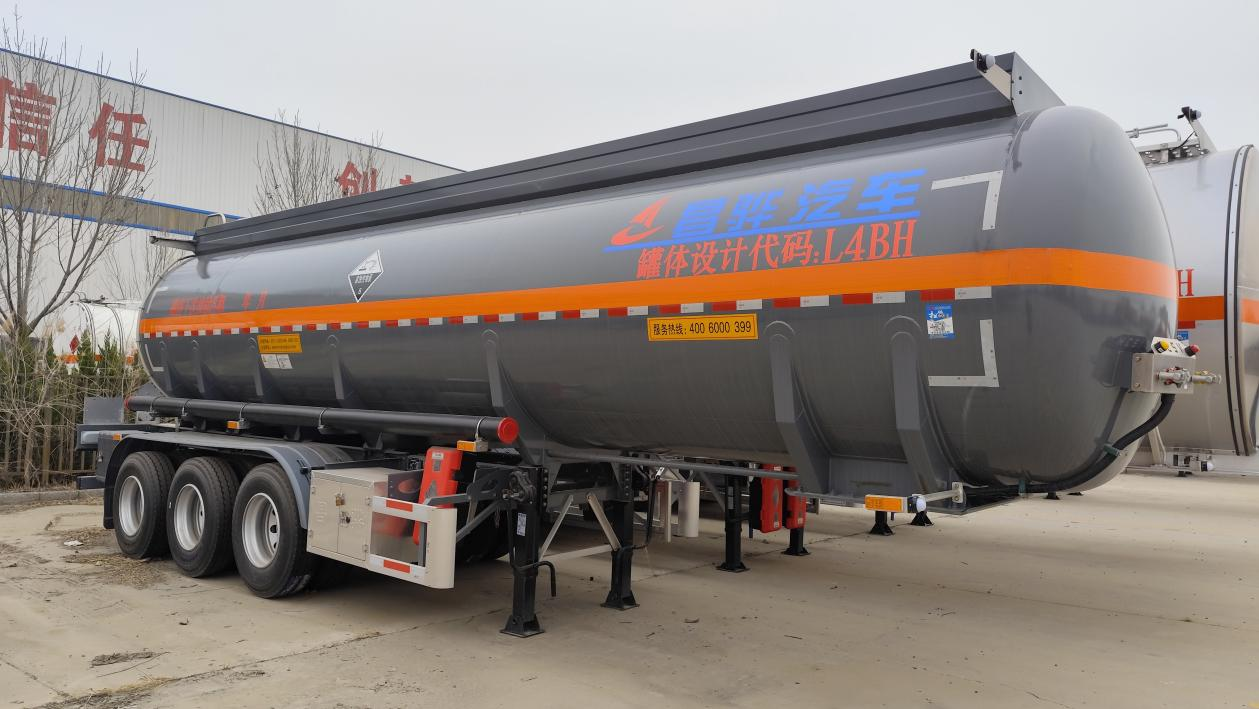
The HCH9407GFW26 Stainless Steel Semi-Trailer has been officially listed in the 404th batch announcement of China’s Ministry of Industry and Information Technology (MIIT), with a clearly defined vehicle classification as an AT-type hazardous materials transport vehicle. This certification confirms that the model fully complies with the design, manufacturing, and safety configuration requirements for the transportation of Class 8 corrosive substances. In terms of technical parameters, the vehicle features a curb weight as low as 7,500 kg and a maximum payload capacity of 32,500 kg. The tank trailer offers a total volume of 26 m³ and an effective capacity of 24.8 m³, with a maximum allowable medium density of 1,290 kg/m³. For operators, these specifications provide a clear operational boundary, enabling precise loading control and effectively reducing the risk of out-of-scope transportation. In addition, AT-type vehicles offer significant advantages in regulatory compliance, including road access permissions, annual inspection processes, and insurance coverage, compared with standard modified vehicles. This makes them a highly reliable and “compliance-certified asset” for enterprises engaged in regulated hazardous material transportation.
Anti-Corrosion Technology: Stainless Steel Pickling & Passivation
Corrosion protection for tankers cannot rely solely on the label of “stainless steel.” Material selection, welding quality, and surface treatment all play a decisive role in determining the actual service life of a tank under highly corrosive operating conditions.
1. Premium Stainless Steel Material Selection
For Class 8 corrosive media, stainless steel offers significantly superior acid resistance compared with carbon steel and aluminum alloys. Carbon steel tanks rely on internal coatings for protection, which become vulnerable once the coating deteriorates and exposes the base metal. Aluminum alloys, on the other hand, have limited resistance to strong acidic media and are not suitable for highly corrosive applications. The HCH9407GFW26 Stainless Steel Semi-Trailer is constructed using high-grade stainless steel with reliable sourcing and full material traceability, ensuring consistent quality and long-term corrosion resistance performance.
2. Full-Process Pickling and Passivation Treatment
During welding, high temperatures create heat-affected zones that are more susceptible to corrosion initiation. To address this, HCSV applies a complete internal tank surface treatment process, including degreasing, acid pickling, and passivation. Pickling removes oxide scale and iron contamination from the weld area, while passivization forms a dense protective chromium oxide (Cr₂O₃) layer on the surface. This significantly improves the electrochemical corrosion resistance of the tank. After treatment, the weld seams and base material achieve a uniform finish, ensuring that the entire tank meets high-level corrosion resistance standards.
3. Smooth Internal Surface Design for Easy Cleaning
After passivation, the internal surface of the tank becomes smooth and dense, effectively reducing product adhesion and scale formation. This allows for easier cleaning when switching between different media, significantly reducing cleaning time and operational costs while minimizing the risk of cross-contamination between transported materials.
Safety Configuration: Multi-Stage Braking System + Lightweight Options
In addition to corrosion resistance, safety configuration is a critical benchmark for hazardous material transportation vehicles. The HCH9407GFW26 stainless steel tanker delivers a safety performance level that meets or exceeds mainstream industry standards.
Braking System
The vehicle is equipped with an Electronic Braking System (EBS), with optional configurations including CM-TEBS by Kemi (KeMi) and Knorr-Bremse K11061XVXX series. This system provides enhanced braking precision and stability, offering a higher level of safety assurance for corrosive substance transportation operations.
Protective Structure
The side protection system is constructed from aluminum alloy and connected to the chassis using a bolted structure, combining lightweight performance with excellent corrosion resistance. The rear underrun protection system is available in either aluminum alloy or carbon steel options, with a cross-sectional dimension of 140 × 90 mm and a ground clearance of 500 mm. The design fully complies with GB 7258 standards and relevant hazardous material transportation regulations, ensuring structural integrity and operational safety.
Suspension and Tire System
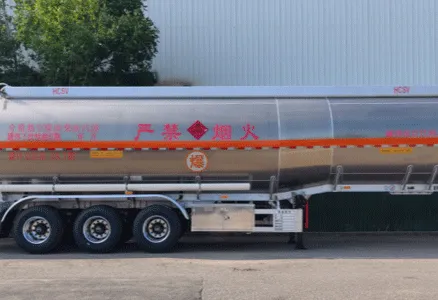
The entire vehicle is equipped with an air suspension system, which provides superior vibration absorption compared with traditional leaf spring suspension. This significantly reduces shock impacts on both the tank structure and the transported corrosive media, making it particularly suitable for liquids prone to splashing or foaming. The tire configuration consists of 11R22.5 12PR or 12R22.5 12PR radial tires. A total of 12 tires are distributed across a tri-axle configuration, ensuring stable load distribution and improved driving safety under heavy-duty operating conditions.
Industry Warning: Professional Equipment Is the First Line of Defense
In recent years, regulatory enforcement in the hazardous materials transportation sector has continued to intensify. Multiple enforcement cases have repeatedly confirmed a fundamental industry principle: using professional equipment for professional operations is the most sustainable way to run a compliant and stable business.
In the “7·23” accident in Loudi, chemical incompatibility between the tank material and the transported cargo triggered corrosion damage, ultimately leading to tank failure and hazardous leakage with severe consequences. In another case, an enterprise used a standard freight vehicle to transport polyferric sulfate (classified as a Class 8 corrosive substance). Although it is not explicitly listed in the hazardous chemicals catalog, its corrosive aqueous solution properties led to its classification as a regulated dangerous good, resulting in strict penalties. More commonly, some operators attempt to reduce costs by using non-dedicated tankers for out-of-scope transportation of substances such as sodium hydroxide and hydrochloric acid. Once detected, such violations often lead not only to fines, but also vehicle detention, operational suspension for rectification, and corporate credit downgrades, creating a chain reaction of compliance and business risks.
Choosing the right vehicle is not simply about reducing maintenance costs—it is a fundamental safeguard against legal and operational risks. For the transportation of Class 8 corrosive substances, corrosion resistance, safety, and regulatory compliance are all non-negotiable requirements. HCSV provides a comprehensive solution with high-grade stainless steel material, full-process pickling and passivation technology, AT-type vehicle certification, multi-layer safety configurations, and lightweight structural options. Together, these advantages form a reliable, professional, and cost-effective transportation platform for corrosive media logistics. Instead of operating in regulatory gray zones and exposing the business to significant safety and compliance risks, it is far more prudent to choose dedicated, purpose-built equipment that is truly designed for corrosive substance transportation from the outset.
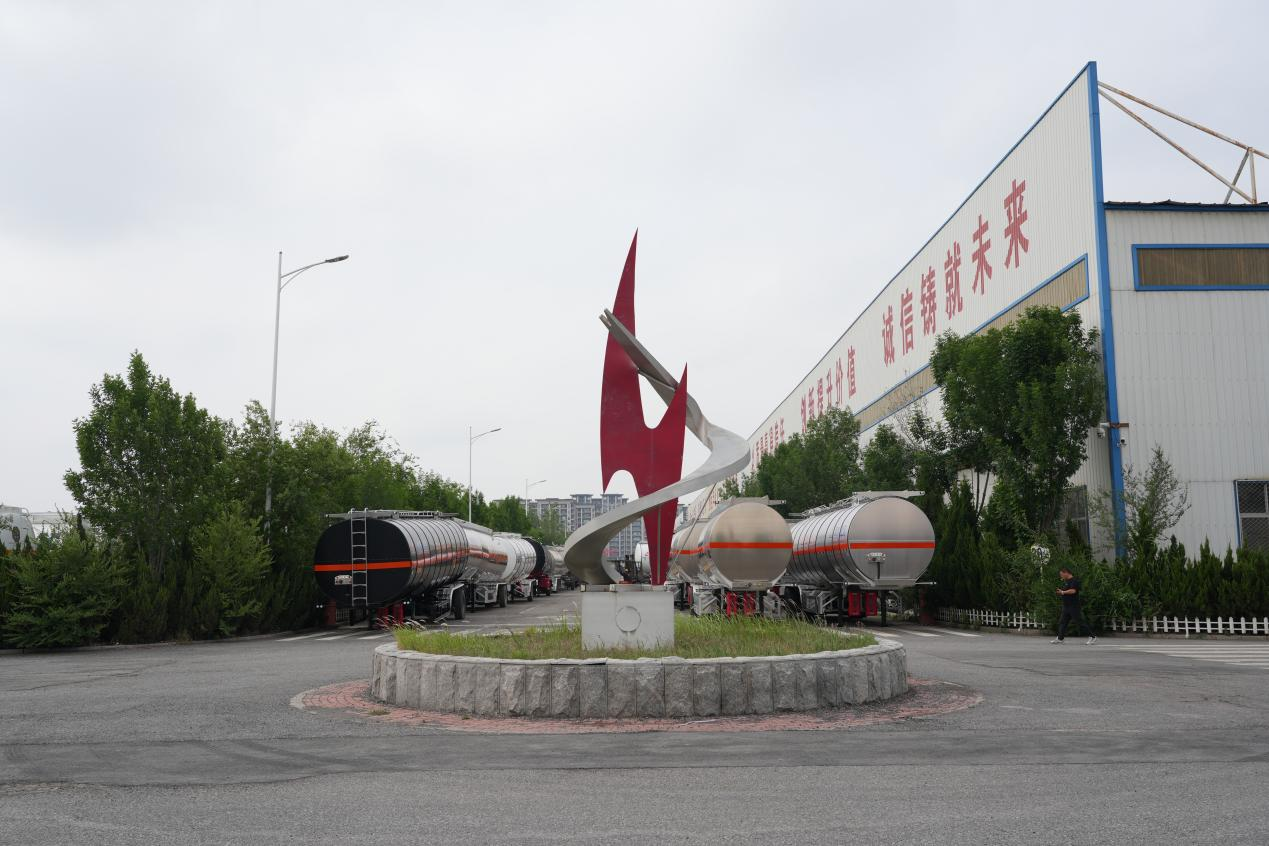
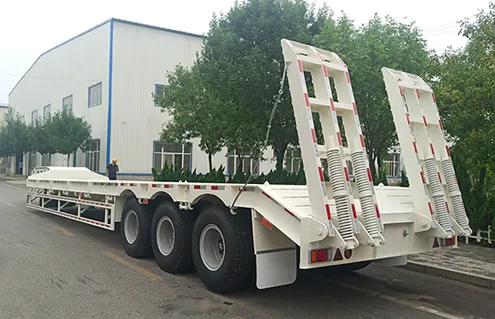
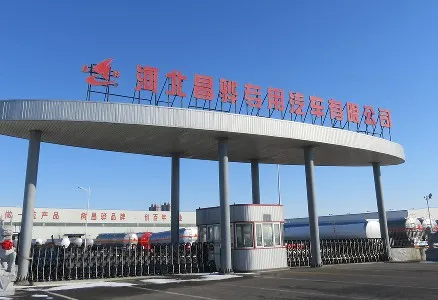
 Hebei Changhua Star Vehicle Co.,Ltd.