Choosing the right tanker trailer is about more than selecting a tank size. The ideal trailer should match your cargo, payload requirements, operating environment, and local transport regulations. A well-configured tanker can improve fleet efficiency, reduce maintenance costs, and maximize return on investment over its service life.
At HCSV, we design and manufacture custom tanker trailers for fuel, chemicals, food-grade liquids, water, and industrial applications. This guide outlines a practical selection process to help buyers choose the most suitable solution for their business.
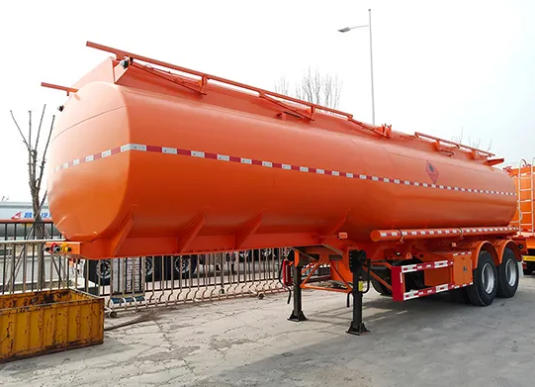
Start with the Cargo You Transport
The cargo determines almost every aspect of a tanker trailer, including the tank material, safety features, and compartment design. Fuel, chemicals, edible oil, water, and bitumen all have different properties that require different configurations.
Cargo Type | Recommended Material | Typical Application |
Diesel & Gasoline | Carbon Steel / Aluminum | Fuel transportation |
Chemicals | Stainless Steel | Corrosive liquids |
Food-grade Liquids | Stainless Steel 304/316 | Milk, edible oil |
Water | Carbon Steel | Municipal & construction |
If your business transports multiple products, a multi-compartment fuel tank trailer can improve delivery efficiency while preventing product contamination.
Match Capacity with Your Transport Needs
Capacity should be selected based on daily operations rather than choosing the largest available tank. Besides transportation volume, buyers should consider cargo density, legal gross vehicle weight (GVW), delivery frequency, and road conditions.
Smaller capacities of 20–30 m³ are suitable for urban distribution, while 35–45 m³ models are commonly used for regional logistics. Large industrial or cross-border transportation projects often require 50–60 m³ or customized designs. Selecting the correct capacity helps maximize payload without exceeding legal weight limits.
Choose the Right Tank Material
The tank material directly affects durability, maintenance costs, and transportation safety.
Carbon steel remains the most economical option and is widely used for diesel, water, and non-corrosive liquids. Aluminum alloy is significantly lighter, allowing operators to carry more payload while reducing fuel consumption. For highly corrosive products or food-grade transportation, stainless steel provides excellent corrosion resistance and long service life.
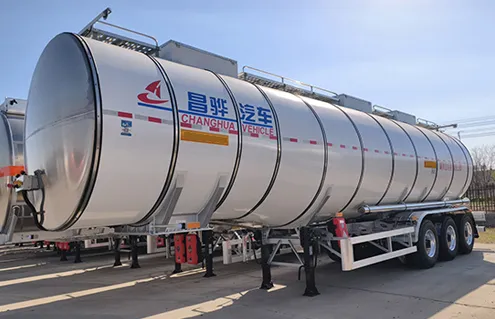
When investing in a custom tanker trailer, choosing the right material can significantly reduce long-term operating costs
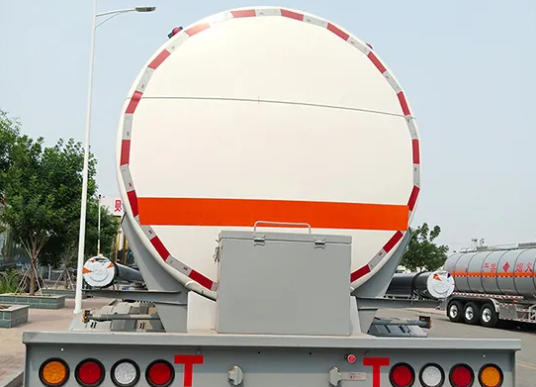
Consider Compartments and Axle Configuration Together
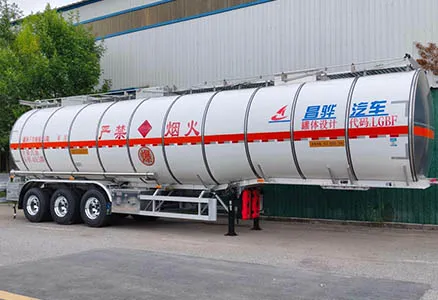
Tank design is not only about volume but also about operational flexibility. Two to five compartments are common for fuel distribution because they allow different liquid products to be transported in a single trip, reducing logistics costs and improving fleet utilization.
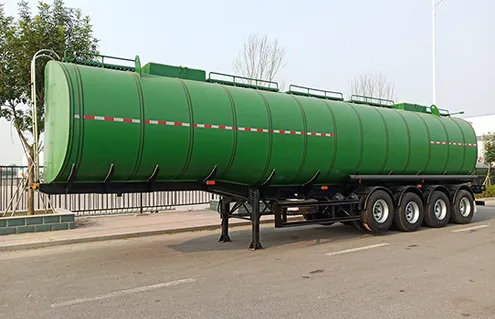
Axle configuration should be selected at the same time. Two-axle trailers are suitable for lighter loads, while three-axle models are the industry standard for most tanker trailer applications. Four-axle configurations are preferred for heavy-duty transportation where regulations permit higher payloads. Buyers should always ensure the selected configuration complies with local axle-load regulations before purchasing.
Why Choose HCSV Tanker Trailers?
Choosing a reliable manufacturer is just as important as selecting the right specifications. HCSV combines advanced manufacturing technology with strict quality control to deliver dependable tanker trailers for customers worldwide.
HCSV Advantages
Customized capacities from 20–70 m³
Carbon steel, aluminum alloy, and stainless steel options
Multiple compartment configurations
BPW, FUWA, and SAF axle options
ABS braking system available
Exported to 80+ countries with professional after-sales support
Whether you need a fuel tank trailer, chemical tank trailer, or a fully customized solution, HCSV provides engineering support throughout the entire purchasing process.
Frequently Asked Questions
1. What is the best material for a tanker trailer?
Carbon steel is ideal for general liquid transport, aluminum is lighter for fuel transportation, and stainless steel is recommended for chemicals and food-grade liquids.
2. What capacity should I choose?
It depends on cargo density, transport distance, local regulations, and delivery frequency rather than simply selecting the largest tank.
3. Why use multiple compartments?
Multi-compartment tankers can transport different liquids simultaneously while preventing contamination and improving operational efficiency.
4. Which axle configuration is most common?
Three-axle tanker trailers offer the best balance between payload, stability, and compliance with international transportation standards.
5. Can HCSV customize tanker trailers?
Yes. HCSV provides customized dimensions, tank materials, axle brands, suspension systems, and compartment layouts to meet different transportation needs.
6. Which industries use tanker trailers?
Tanker trailers are widely used in fuel distribution, chemical logistics, food processing, construction, mining, municipal water supply, and industrial manufacturing.
Conclusion
Selecting the right tanker trailer requires evaluating cargo characteristics, tank capacity, material, compartment layout, axle configuration, and local transportation regulations together. A well-designed trailer not only improves transportation efficiency but also reduces operating costs and ensures long-term reliability. As an experienced manufacturer, HCSV offers high-quality custom tanker trailers tailored to diverse industries, helping customers achieve safer, more efficient, and more profitable liquid transportation.
 Hebei Changhua Star Vehicle Co.,Ltd.