Purchasing a fuel tanker trailer is a long-term investment that directly affects transportation efficiency, operating costs, and safety. While price is often an important consideration, experienced buyers know that the right trailer should also match the cargo, delivery routes, loading facilities, and local transport regulations. Selecting the correct specifications at the beginning can reduce maintenance costs, improve productivity, and extend the trailer's service life.
This guide explains the most important factors to consider before purchasing a fuel tank trailer, including compartment configuration, tank capacity, bottom loading systems, overfill protection, static grounding, and the key information manufacturers need to prepare an accurate quotation.
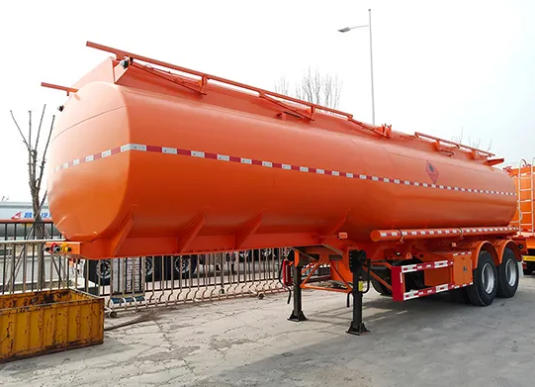
Understand Your Transportation Requirements First
Before comparing different fuel tanker trailers, start by defining how the trailer will be used. Consider the type of fuel you transport, delivery frequency, average transport distance, and local road regulations. These factors determine the ideal tank capacity, number of compartments, and axle configuration.
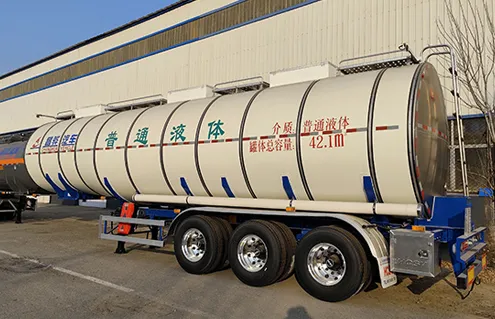
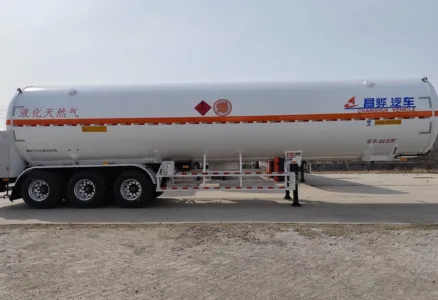
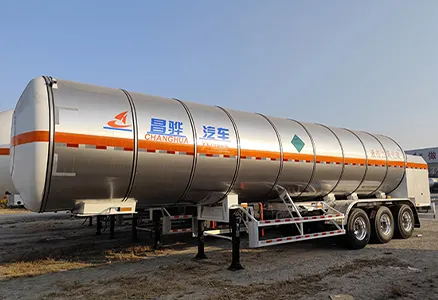
For companies operating in multiple regions or serving different industries, investing in a custom tanker trailer can provide greater flexibility. Customized designs allow buyers to optimize compartment sizes, loading systems, and optional safety equipment according to their daily transportation requirements instead of relying on standard configurations.
Select the Right Compartment Layout and Tank Capacity
Compartment design is one of the most important features of a fuel tanker trailer. Separate compartments allow different fuel products, such as diesel and gasoline, to be transported simultaneously without contamination, reducing the number of delivery trips and improving fleet efficiency.
The tank capacity should also match your transportation requirements rather than simply maximizing volume.
Capacity | Typical Application |
20–30 m³ | Urban fuel delivery |
35–45 m³ | Regional distribution |
50–60 m³ | Long-distance transportation |
60 m³+ | Customized industrial projects |
Most commercial fleets choose 35–45 m³ trailers because they provide an excellent balance between payload, maneuverability, and compliance with road regulations. If multiple fuel products are transported daily, a three- or four-compartment design is often the most practical choice.
Why Bottom Loading Is Becoming the Industry Standard
Many modern fuel terminals now use bottom loading systems instead of traditional top loading. During bottom loading, operators remain on the ground while fuel enters the tank through sealed valves located beneath the trailer. This design improves workplace safety by reducing the risk of falls and limiting operator exposure to fuel vapors.
Bottom loading also shortens loading time and works seamlessly with vapor recovery systems and automatic overfill protection. For fleets operating across multiple fuel terminals, choosing a trailer compatible with international bottom loading standards can improve operational flexibility and future-proof the investment.
Safety Features That Should Never Be Overlooked
Safety is one of the most important purchasing considerations for any fuel tank trailer. While regulations vary between countries, several features have become standard across the industry because they help reduce operational risks and protect both personnel and cargo.
An overfill protection system automatically detects when the tank reaches its maximum filling level and prevents additional fuel from entering the tank. This helps avoid spills, minimizes environmental risks, and improves loading safety.
Another essential feature is static grounding. During fuel loading and unloading, static electricity can accumulate as fuel flows through pipes and hoses. Connecting the trailer to a grounding system safely dissipates this electrical charge before loading begins, significantly reducing the risk of ignition when handling flammable liquids.
Other commonly specified safety options include ABS braking systems, emergency shut-off valves, vapor recovery equipment, rollover protection, and anti-slip walkways. Although these features increase the initial investment, they often reduce long-term operating risks and maintenance costs.
What Information Should Be Included in Your RFQ?
Providing complete information when requesting a quotation allows manufacturers to recommend the most suitable configuration and prepare pricing more efficiently.
Before sending an inquiry, it's helpful to prepare the following information:
Required tank capacity
Fuel type (diesel, gasoline, aviation fuel, etc.)
Number of compartments
Tank material
Bottom or top loading preference
Axle quantity and preferred brand
Suspension type
Destination country
Required safety features and local standards
A detailed RFQ also reduces communication time and helps avoid design revisions later in the purchasing process.
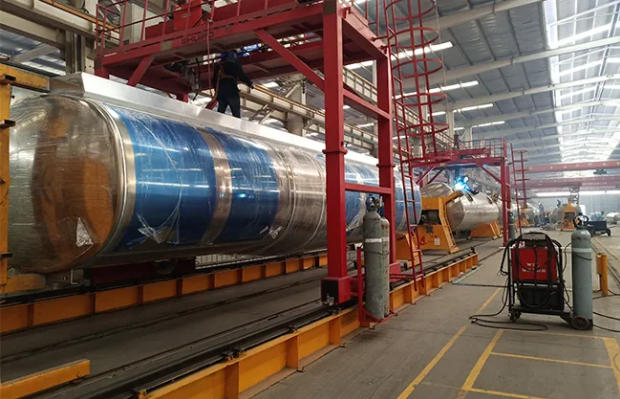
Why Choose HCSV?
After defining the right specifications, selecting an experienced manufacturer is equally important. HCSV supplies customized fuel tanker trailers for customers in global markets, offering flexible configurations that meet different transportation requirements and regulatory standards.
Key advantages include:
Capacities from 20–70 m³
Two to five compartment configurations
Carbon steel, aluminum alloy, and stainless steel tanks
Bottom and top loading options
BPW, FUWA, and SAF axle choices
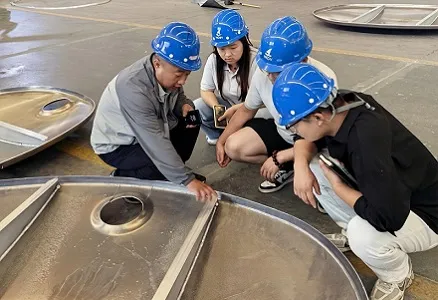
Professional engineering support
Export experience in more than 80 countries
Whether you're expanding an existing fleet or purchasing your first fuel tanker trailer, working with a manufacturer that offers customization and technical support can simplify the buying process.
Frequently Asked Questions
1. How many compartments should a fuel tanker trailer have?
Three or four compartments are the most common choice because they allow different fuel products to be transported in a single trip.
2. Is bottom loading better than top loading?
For most commercial fuel transportation, yes. Bottom loading improves safety, reduces vapor emissions, and shortens loading time.
3. Why is overfill protection important?
It prevents fuel spills during loading by automatically stopping or warning before the tank reaches its maximum safe level.
4. What is the purpose of static grounding?
Static grounding safely dissipates accumulated electrical charge before loading or unloading fuel, reducing the risk of sparks.
5. Can fuel tanker trailers be customized?
Yes. Buyers can customize capacity, compartment layout, tank material, axle configuration, suspension, loading systems, and optional safety equipment.
6. Does HCSV provide customized fuel tanker trailers?
Yes. HCSV offers customized fuel tanker solutions designed for different transportation applications and regional market requirements.
Conclusion
Buying the right fuel tanker trailer requires balancing transportation efficiency, safety, regulatory compliance, and long-term operating costs. By carefully evaluating compartment layout, tank capacity, bottom loading systems, overfill protection, and static grounding, buyers can make a more informed purchasing decision. If you're looking for a customized solution, HCSV offers professional engineering support and flexible manufacturing options to help build a trailer that matches your operational needs.
 Hebei Changhua Star Vehicle Co.,Ltd.