Transporting liquefied natural gas (LNG) requires specialized equipment designed to maintain cryogenic temperatures while ensuring safe and efficient operation. Choosing the right LNG tanker trailer involves more than comparing prices—it requires understanding insulation technology, design pressure, tank capacity, boil-off rate, and unloading systems. Making the right choice can reduce product loss, improve operational efficiency, and lower long-term maintenance costs.
Whether you're purchasing a standard trailer or planning a custom tanker trailer for a specific project, understanding these key specifications will help you make a more informed investment.
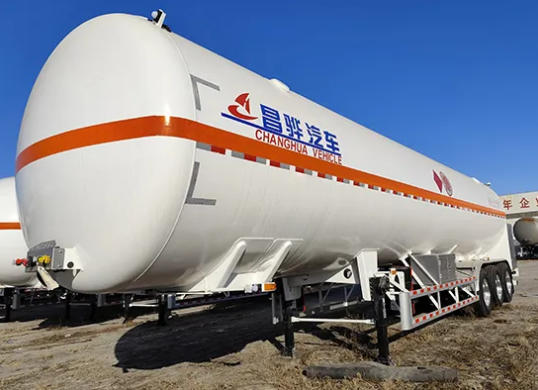
Understand the Basics of LNG Transportation
Liquefied natural gas is stored at approximately -162°C (-260°F), which means an LNG tanker trailer must maintain extremely low temperatures throughout transportation. Unlike conventional liquid tankers, LNG trailers use cryogenic technology to minimize heat transfer and reduce product evaporation.
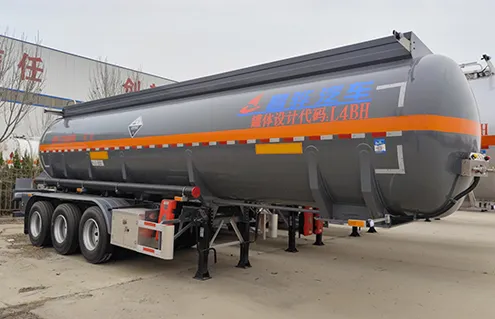
Besides LNG, similar technologies are also used in equipment such as CO2 tanker trailers, which transport liquefied carbon dioxide under controlled low-temperature conditions. Although the transported media differ, both require advanced insulation systems and strict safety standards.
Before purchasing, buyers should consider transportation distance, loading frequency, road conditions, and local regulations, as these factors directly influence trailer specifications.
Why Vacuum Insulation Matters
One of the most important features of an LNG tanker trailer is its vacuum-insulated tank. The tank typically consists of an inner stainless-steel vessel and an outer carbon-steel shell, with a high-vacuum space and insulating materials between them. This design significantly reduces heat transfer from the surrounding environment.
Effective vacuum insulation helps maintain the cryogenic temperature of LNG during transportation, minimizing energy loss and reducing the boil-off rate (BOR). A lower boil-off rate means less product evaporation, higher transportation efficiency, and lower operating costs over the trailer's service life.
When comparing suppliers, buyers should ask about insulation technology, vacuum retention performance, and expected boil-off rates rather than focusing solely on purchase price.
Choose the Right Capacity and Design Pressure
Capacity should match transportation requirements rather than simply selecting the largest available tank. Larger tanks increase payload but may also affect maneuverability and compliance with local weight regulations.
Specification | Typical Range | Recommended Application |
Capacity | 20–30 m³ | Regional LNG distribution |
Capacity | 40–52 m³ | Long-distance transportation |
Design Pressure | 0.6–1.0 MPa | Standard LNG transportation |
Boil-off Rate | ≤0.3% per day | High-efficiency transport |
The design pressure determines how safely the tank can contain LNG during transportation. Selecting the correct pressure rating is essential for safe operation and regulatory compliance. Buyers should also evaluate payload requirements, road conditions, and loading terminal compatibility before making a final decision.
For projects with unique operational requirements, a custom tanker trailer can be configured with different capacities, insulation systems, and chassis layouts to maximize efficiency.
Evaluate the Boil-Off Rate
Even with high-performance insulation, a small amount of LNG naturally evaporates during transportation. This is known as the boil-off rate (BOR) and is one of the most important performance indicators when evaluating an LNG trailer.
A lower BOR means more LNG reaches its destination in liquid form, reducing product loss and improving overall transportation efficiency. Factors affecting the boil-off rate include insulation quality, ambient temperature, transportation time, and loading frequency.
Rather than comparing trailers based only on capacity, buyers should request documented boil-off performance from manufacturers. A well-designed cryogenic tank can significantly reduce long-term operating costs.
Select the Right Unloading System
The unloading system has a direct impact on operational efficiency and compatibility with receiving facilities. Most modern LNG tanker trailers support pressure-assisted unloading, allowing LNG to be discharged safely without external pumping equipment.
Depending on the application, buyers may also require booster pumps, bottom discharge valves, emergency shut-off devices, pressure-building systems, or remote monitoring equipment. Choosing the appropriate unloading configuration helps reduce unloading time while ensuring stable and safe operation.
Before purchasing, it's also advisable to confirm compatibility with the unloading systems used at your destination terminals.
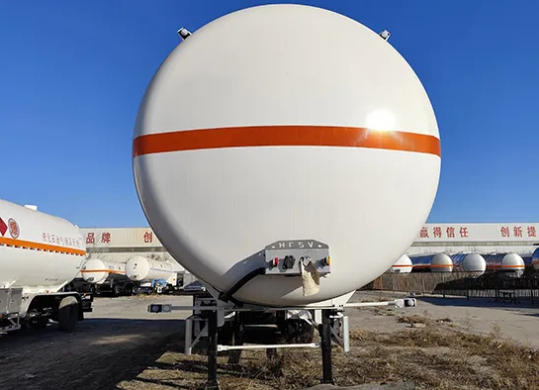
Why Choose HCSV?
Selecting the right manufacturer is just as important as selecting the right trailer specifications. HCSV supplies high-quality cryogenic transportation equipment for customers worldwide, offering flexible solutions for LNG and other low-temperature liquid transportation applications.
Key advantages include:
Capacities from 20–60 m³
High-performance vacuum insulation technology
Low boil-off rate design
Customized unloading systems
Durable stainless-steel inner tanks
Professional engineering support
Export experience in more than 80 countries
Whether you require a standard LNG tanker trailer or a custom tanker trailer, HCSV can provide solutions tailored to different transportation requirements.
Frequently Asked Questions
1. What is the purpose of vacuum insulation in an LNG tanker trailer?
Vacuum insulation minimizes heat transfer into the tank, helping maintain cryogenic temperatures and reducing the boil-off rate during transportation.
2. What design pressure is suitable for LNG transportation?
Most LNG trailers are designed with pressure ratings between 0.6 MPa and 1.0 MPa, depending on transportation requirements and applicable regulations.
3. Why is the boil-off rate important?
A lower boil-off rate reduces LNG loss during transportation, improving efficiency and lowering operating costs.
4. Which unloading system is most commonly used?
Pressure-assisted unloading is widely used because it provides reliable and efficient LNG discharge without requiring complex external equipment.
5. Can LNG tanker trailers be customized?
Yes. Buyers can customize tank capacity, insulation systems, unloading configurations, axle arrangements, and optional equipment according to project requirements.
6. What is the difference between an LNG tanker trailer and a CO2 tanker?
Although both are cryogenic transport vehicles, LNG trailers transport liquefied natural gas at approximately -162°C, while CO2 tanker trailers are specifically designed for transporting liquid carbon dioxide under different operating conditions.
 Hebei Changhua Star Vehicle Co.,Ltd.