Transporting hazardous chemicals requires more than simply selecting a suitable tank size. Different chemicals have unique physical and chemical properties that influence the choice of tank material, sealing system, operating temperature, and safety equipment. Selecting the wrong chemical tanker trailer can increase maintenance costs, shorten equipment life, and even create serious safety risks.
Whether you're purchasing a standard trailer or a custom tanker trailer, understanding the chemical properties of your cargo before requesting a quotation will help you choose equipment that complies with safety regulations while delivering reliable long-term performance.
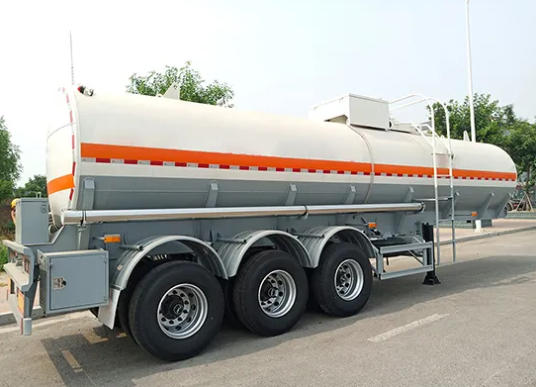
Start with the Safety Data Sheet (SDS)
The Safety Data Sheet (SDS) should always be the starting point when selecting a tanker trailer for hazardous chemicals. An SDS provides critical information about a chemical's corrosiveness, flammability, toxicity, operating temperature, and compatibility with different construction materials.
Manufacturers rely on this information to recommend the appropriate tank material, pressure rating, sealing components, and unloading configuration. Providing an SDS during the quotation process also helps avoid selecting equipment that may be unsuitable for the intended application.
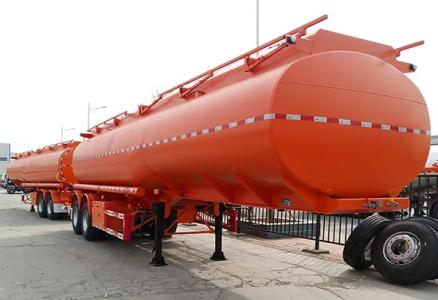
For companies transporting different liquid products, a custom tanker trailer can be designed to meet specific operating conditions while complying with local transportation standards.
Evaluate Chemical Concentration, Temperature and Density
The concentration of a chemical directly affects its corrosiveness. For example, concentrated sulfuric acid requires different materials from diluted solutions, even though the chemical name is the same.
Operating temperature is another key consideration. Some chemicals must remain at elevated temperatures to prevent solidification, while others require insulated tanks to maintain product stability during transportation.
Density also plays an important role because it determines the actual payload carried by the trailer. Higher-density liquids increase axle loads and may require different tank capacities or chassis configurations to remain within legal road weight limits.
Understanding these three factors before purchasing helps ensure both operational efficiency and regulatory compliance.
Choose the Right Tank Material
Selecting the correct tank material is essential for extending service life and preventing corrosion. The most common materials include carbon steel, stainless steel, and aluminum alloy, each suited to different chemical applications.
Tank Material | Suitable Cargo | Main Advantages |
Carbon Steel | Non-corrosive chemicals | Cost-effective and durable |
Stainless Steel 304/316 | Acids, solvents, food-grade liquids | Excellent corrosion resistance |
Aluminum Alloy | Selected petroleum products | Lightweight and fuel-efficient |
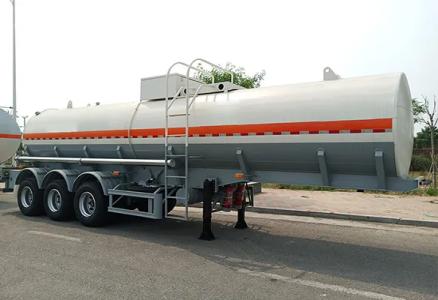
For highly corrosive cargo, an acid tanker trailer is often the preferred solution because it is specifically designed with compatible materials and corrosion-resistant construction. Selecting the correct material according to the SDS can significantly improve equipment reliability and reduce maintenance costs.
Don't Overlook Sealing Systems
Even when the tank material is correctly selected, an incompatible sealing system can lead to leaks, contamination, or equipment failure.
Gaskets and seals should be compatible with the transported chemical and operating temperature. Materials such as PTFE, Viton, and EPDM are commonly used, but each offers different levels of resistance depending on the chemical involved.
When comparing suppliers, buyers should ask about gasket materials, valve compatibility, pressure ratings, and long-term maintenance requirements. These details often have a greater impact on operating reliability than the initial purchase price.
Understand Regulatory Requirements Before Purchasing
Hazardous chemical transportation is regulated in most countries to ensure public and environmental safety. Depending on the destination market, trailers may need to comply with standards such as ADR in Europe, DOT regulations in the United States, or other national transportation requirements.
Besides vehicle certification, buyers should verify requirements for emergency shut-off valves, grounding systems, pressure relief devices, warning labels, and inspection procedures. Choosing a trailer designed for applicable regulations helps simplify registration and long-term operation.
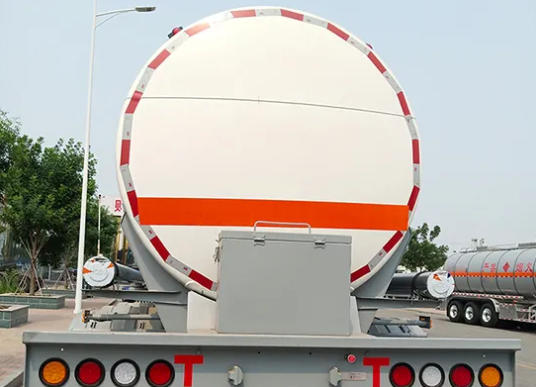
Why Choose HCSV?
Selecting an experienced manufacturer is just as important as selecting the correct specifications. HCSV provides customized liquid transportation equipment for customers worldwide, offering flexible solutions for hazardous chemicals, petroleum products, and other industrial liquids.
Key advantages include:
Customized tank capacities
Carbon steel, stainless steel, and aluminum options
Corrosion-resistant tank designs
Professional engineering support
Multiple axle and suspension configurations
Export experience in over 80 countries
Whether you require a standard chemical tanker trailer or a custom tanker trailer, HCSV can provide solutions tailored to your transportation requirements.
Frequently Asked Questions
1. Why is the SDS important when selecting a chemical tanker trailer?
The SDS identifies chemical properties that determine the correct tank material, sealing system, pressure rating, and safety requirements.
2. How does chemical concentration affect trailer selection?
Different concentrations of the same chemical may require different corrosion-resistant materials and sealing components.
3. Why is liquid density important?
Higher-density chemicals increase payload weight and may affect legal axle loads, tank capacity, and chassis selection.
4. Which tank material is best for corrosive chemicals?
Stainless steel is commonly used for many corrosive liquids, while some highly aggressive chemicals require specialized acid tanker trailer designs.
5. Can chemical tanker trailers be customized?
Yes. Buyers can customize capacity, tank material, insulation, valves, sealing systems, and axle configurations according to operational requirements.
6. Does HCSV manufacture customized chemical tanker trailers?
Yes. HCSV supplies customized chemical tanker trailers for a wide range of hazardous liquid transportation applications.
Conclusion
Choosing the right chemical tanker trailer starts with understanding the chemical itself. Reviewing the SDS, evaluating concentration, temperature, density, tank materials, sealing systems, and applicable regulations helps buyers select equipment that is both safe and reliable. For specialized transportation projects, a custom tanker trailer can provide greater flexibility while ensuring compliance with operational and regulatory requirements.
 Hebei Changhua Star Vehicle Co.,Ltd.