Fuel tanker trailers play an essential role in the global fuel distribution network. They are designed to transport gasoline, diesel, aviation fuel, and other petroleum products safely and efficiently from refineries to storage facilities, gas stations, and industrial users. One of the most important factors buyers consider when selecting a fuel tanker trailer is tank capacity. Fuel tanker trailer capacity is typically measured in gallons, and different sizes are available depending on transportation needs, regulations, and vehicle configurations. Understanding the most common capacity ranges, from 3,000 gallons to 12,000 gallons, can help companies choose the right trailer for their operations.
Fuel Tanker Trailer Introduction
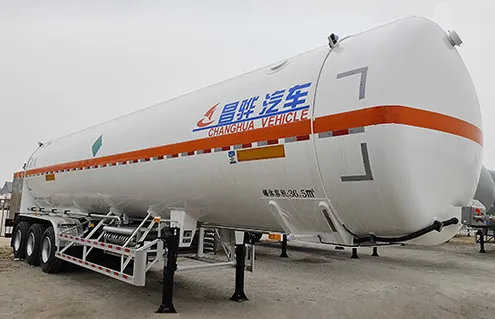
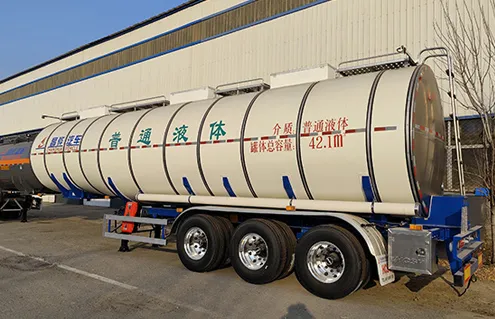
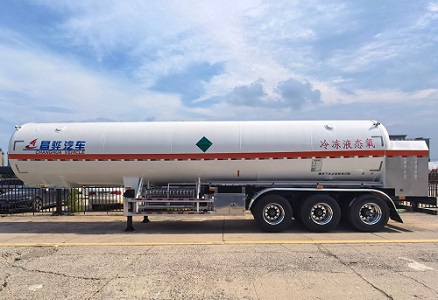
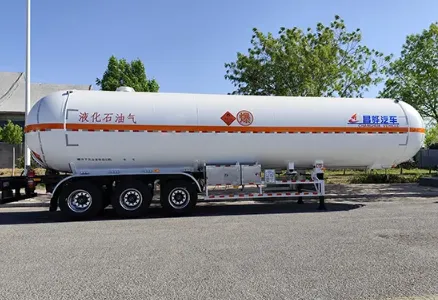
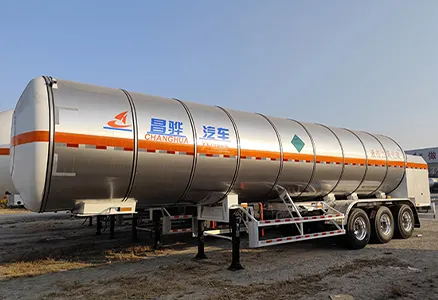
A fuel tanker trailer is a specialized semi-trailer designed specifically for transporting liquid fuels such as gasoline and diesel. These trailers usually feature a cylindrical tank structure mounted on a heavy-duty chassis and include safety components such as valves, manholes, pumps, and internal baffles to stabilize the liquid during transport.
Depending on the intended use, fuel tank trailer may be made from carbon steel, aluminum alloy, or stainless steel, each material offering different advantages in durability, corrosion resistance, and weight efficiency. Tanker trailers are engineered to safely transport large volumes of liquid fuel while meeting strict transportation regulations and safety standards.
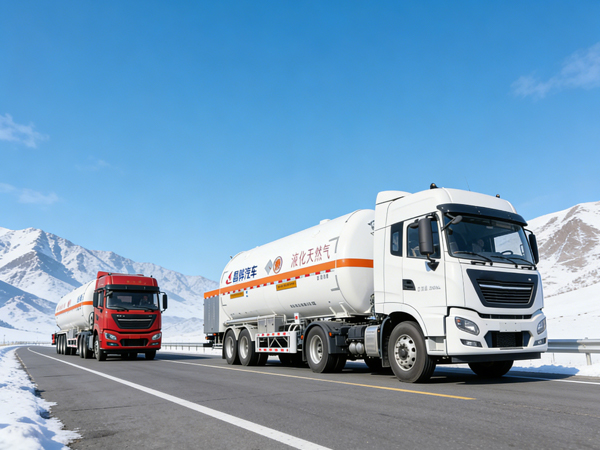
Typical Fuel Tanker Trailer Capacities
Fuel tanker trailers come in several common capacity ranges. The most widely used sizes in commercial fuel transportation fall between 3,000 gallons and 12,000 gallons.
3,000–5,000 Gallon Tanker Trailers
Smaller fuel tanker trailers are often used for local or regional fuel distribution. Capacities between 3,000 and 5,000 gallons are common for fuel deliveries in urban areas or locations with limited road access.
These trailers are typically used for:
Smaller capacities provide greater maneuverability and are easier to operate in tight spaces, making them suitable for short-distance transport.
5,000–7,000 Gallon Tanker Trailers
Mid-sized tanker trailers in the 5,000 to 7,000 gallon range are among the most versatile options in the fuel transport industry. These trailers provide a balance between payload capacity and operational flexibility.
They are commonly used for:
Many logistics companies prefer this capacity range because it offers efficient fuel delivery without exceeding common road weight limits in many regions.
8,000–12,000 Gallon Tanker Trailers
Large fuel tanker trailers typically fall within the 8,000 to 12,000 gallon capacity range. These trailers are designed for high-volume fuel transportation, often traveling long distances between refineries, fuel terminals, and major distribution centers.
Large-capacity tanker trailers are widely used for:
Their larger capacity allows companies to transport greater volumes of fuel in a single trip, helping reduce transportation costs and improve overall efficiency.
Factors That Affect Tanker Trailer Capacity
Although gallon capacity is an important specification, several other factors also influence how much fuel a tanker trailer can safely carry.
Cargo Weight
Different fuels have slightly different densities, which affects total payload weight. Even if two trailers have the same gallon capacity, the allowable payload may vary depending on the fuel type being transported.
Axle Configuration
The number of axles on a tanker trailer directly impacts its weight distribution and legal load limits. Trailers with more axles can typically carry larger loads while complying with transportation regulations.
Road Regulations
Different countries and regions have specific limits on vehicle weight and axle loads. These regulations often determine the maximum practical capacity of a fuel tanker trailer used in that region.
Tank Material
Tank material also plays a role in capacity and payload. Aluminum alloy tank is lighter than carbon steel fuel tanker trailer, allowing it to carry more fuel within the same weight limit.
Choosing the Right Fuel Tanker Trailer
Selecting the correct tanker trailer capacity depends on several operational considerations, including transport distance, fuel demand, and local regulations. Businesses should evaluate their logistics requirements to determine whether a smaller distribution tanker or a high-capacity bulk transport trailer is the best option. Manufacturers such as HCSV offer a range of tanker trailer solutions designed for fuel transportation across different industries. Their models are engineered for durability, safety, and efficient fuel transport, with customizable tank capacities and configurations to meet various operational needs.
Fuel tanker trailers are a vital part of the fuel supply chain, enabling safe and efficient transportation of petroleum products across long distances. With common capacities ranging from 3,000 gallons to 12,000 gallons, these trailers can be adapted to meet the needs of local fuel distribution, regional logistics, or large-scale fuel transport.
Understanding the differences between capacity ranges, tank materials, and regulatory requirements can help businesses select the most suitable tanker trailer for their operations. By choosing the right configuration, companies can improve transport efficiency, reduce operating costs, and ensure safe fuel delivery across their supply networks.
 Hebei Changhua Star Vehicle Co.,Ltd.