Tank trailers play a critical role in modern logistics and industrial transportation. Unlike standard cargo trailers that carry packaged goods, tanker trailers are specially designed to transport liquids, gases, and certain bulk materials safely and efficiently. Their cylindrical tank structure, specialized valves, and reinforced materials allow them to handle everything from petroleum and chemicals to food-grade liquids.
Because of this versatility, tanker trailers are widely used in multiple industries around the world. Understanding their applications can help businesses choose the right type of trailer for their transportation needs.
What is a Tank Trailer?
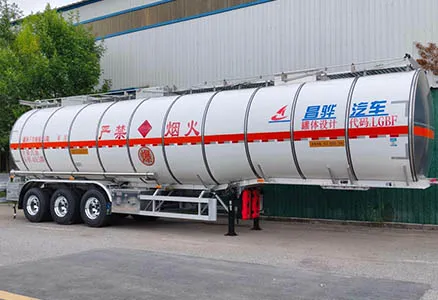
A tanker trailer is a specialized semi-trailer equipped with a sealed tank used to transport liquid, gaseous, or bulk materials. The trailer is typically pulled by a tractor unit and features systems for safe loading, unloading, and cargo stabilization.
Depending on the type of cargo being transported, tanker trailers may include features such as internal baffles to reduce liquid movement, insulation to maintain temperature, or corrosion-resistant materials to protect the tank from chemical reactions. These design elements make tanker trailers essential for industries that rely on large-scale liquid transport.
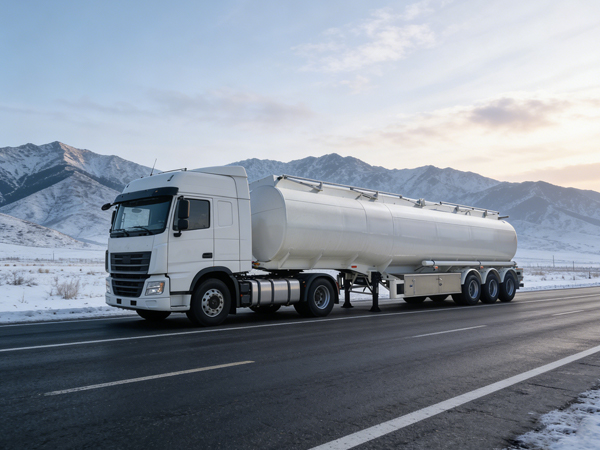
1. Oil and Gas Industry
One of the most common uses for tanker trailers is the transportation of petroleum products. Fuel distribution networks depend heavily on tanker trailers to move gasoline, diesel, jet fuel, and other refined petroleum products from refineries to storage terminals and gas stations. You can see these trailers every day delivering fuel to service stations, airports, or industrial facilities. Their high capacity allows large volumes of fuel to be transported efficiently over long distances. For companies operating in the energy sector, fuel tanker trailers provide a reliable and scalable solution for maintaining continuous supply chains.
2. Chemical Industry
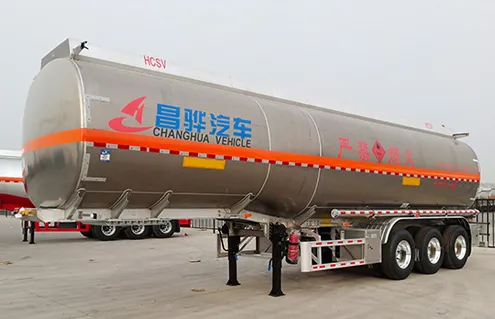
Tanker trailers are also widely used in the chemical manufacturing and distribution sectors. Many industrial chemicals, such as sulfuric acid, ammonia, and solvents, must be transported in specialized tanks designed to prevent corrosion and contamination. Chemical tanker trailer is often constructed from stainless steel or lined carbon steel to withstand aggressive substances and meet strict safety regulations.
Because chemical transport involves hazardous materials, tanker trailers used in this industry typically incorporate additional safety systems such as pressure controls, sealed valves, and protective coatings.
3. Food and Beverage Transportation
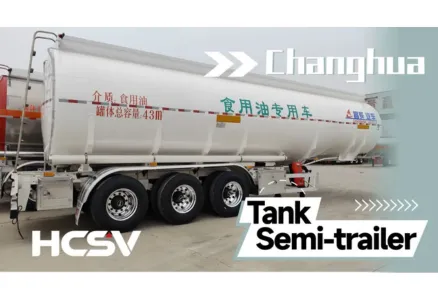
Another important application of tanker trailers is in the food and beverage industry. Many edible liquids are transported in bulk before packaging or processing.
The food tank trailer is commonly used to carry:
To maintain hygiene and prevent contamination, these trailers are usually made from polished stainless steel and feature smooth interiors that are easy to clean. Some food-grade tanks are also insulated to keep liquids at the required temperature during transportation.
4. Agriculture and Water Transport
In agriculture and rural infrastructure, tanker trailers are frequently used to transport water, liquid fertilizers, and other agricultural liquids. These trailers play an important role in irrigation systems, livestock operations, and emergency water supply in remote areas. For example, water tank trailers can deliver large quantities of water to farms, construction sites, or disaster relief locations where a fixed water supply may not be available.
5. Construction and Infrastructure Projects
Construction and road maintenance projects also rely on tanker trailers for transporting materials such as asphalt and liquid additives used in road building. Asphalt trailers often include insulation and heating systems to keep the material at the correct temperature during transport.
In addition, tanker trailers can deliver water for dust suppression, concrete mixing, and other site operations.
Choosing the Right Tank Trailer for Your Application
Because tanker trailers serve so many industries, selecting the right model depends on several key factors, including:
Type of cargo (fuel, chemicals, food, water, etc.)
Required tank capacity
Safety and regulatory requirements
Transport distance and operating conditions
Different materials and tank designs may be required depending on whether the trailer will carry hazardous chemicals, food-grade liquids, or petroleum products. For businesses looking for reliable tanker transport solutions, manufacturers such as HCSV provide a wide range of tanker trailer options designed for different industries and cargo types. Our models are engineered for durability, safety, and efficient liquid transport in demanding logistics environments.
Tanker trailers are an essential part of global transportation infrastructure. From fueling gas stations and transporting chemicals to delivering milk and water, these specialized trailers enable the safe and efficient movement of liquids and bulk materials across industries. As global logistics networks continue to expand, the demand for reliable tanker trailer solutions is expected to grow. Businesses that understand the different applications and specifications of tanker trailers can make more informed decisions when selecting equipment for their operations.
 Hebei Changhua Star Vehicle Co.,Ltd.