Transporting liquid oxygen involves significant operational risks. Reliable safety engineering is essential to controlling them.
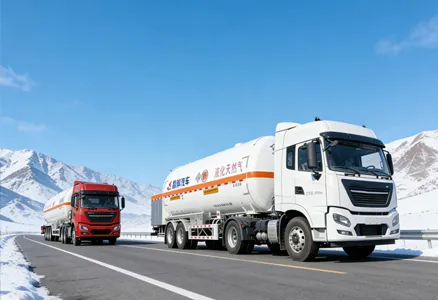
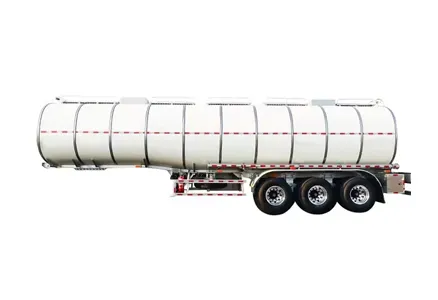
With a boiling point as low as -183°C, liquid oxygen presents multiple hazards, including cryogenic burns, intensified combustion due to its strong oxidizing properties, and overpressure-related explosions. The safety performance of the transport equipment therefore defines the baseline for risk control in field operations. The HCSV HCH9401GDYB low-temperature liquid transport semi-trailer is a widely used liquid oxygen transport model in China. As a purpose-built cryogenic trailer, it incorporates an integrated safety system covering tank construction and pressure control. This article explains the core engineering principles behind the model for industry professionals.
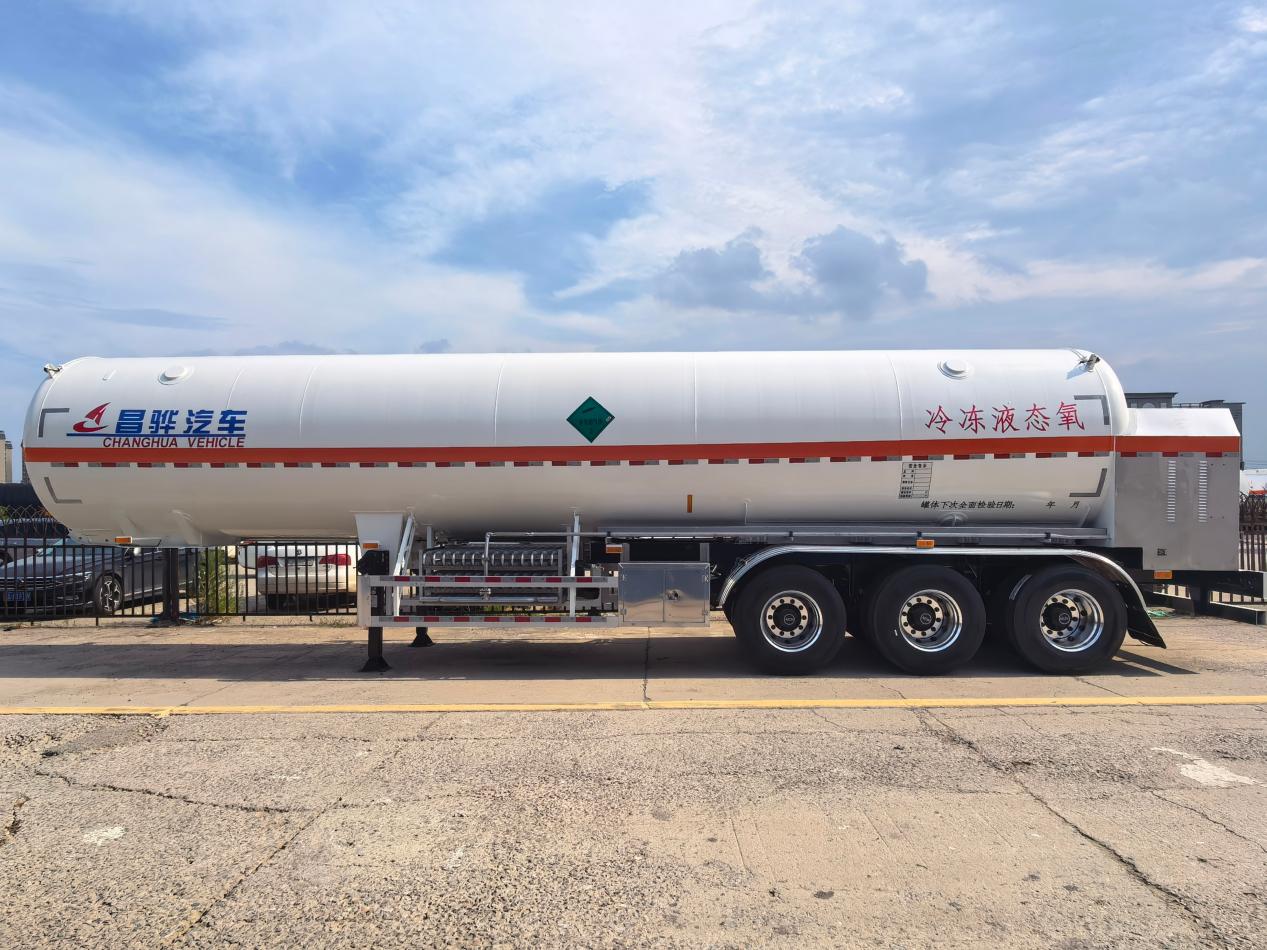
Double-Wall Tank Structure: The Foundation of Cryogenic Protection
The tank is the safety-critical component of a liquid oxygen tank trailer. This semi-trailer uses a proven double-wall arrangement comprising an inner vessel, a vacuum interlayer and an outer shell, specifically engineered for cryogenic operating conditions.
The inner vessel is made of S30458 austenitic stainless steel. It retains stable toughness at temperatures as low as -196°C, helping prevent low-temperature brittle fracture, and its chemical stability makes it compatible with liquid oxygen. All welds undergo 100% radiographic testing to reduce the risk of leakage at the source.
The outer shell is made of high-strength carbon steel. It withstands the vacuum load within the interlayer and the dynamic loads generated during road transport while providing physical protection for the inner vessel. An anti-corrosion coating protects the shell against damage from the external environment.
Between the inner and outer vessels is a high-vacuum, multilayer insulation system filled with a composite of aluminum foil and glass-fiber paper. The interlayer is evacuated to create a vacuum: the better the vacuum performance, the lower the evaporation loss of liquid oxygen. A very low daily evaporation rate slows vaporization-driven pressure buildup and helps prevent a rapid rise in tank pressure at its source.
Pressure Control System: Keeping Overpressure Within the Safety Limit
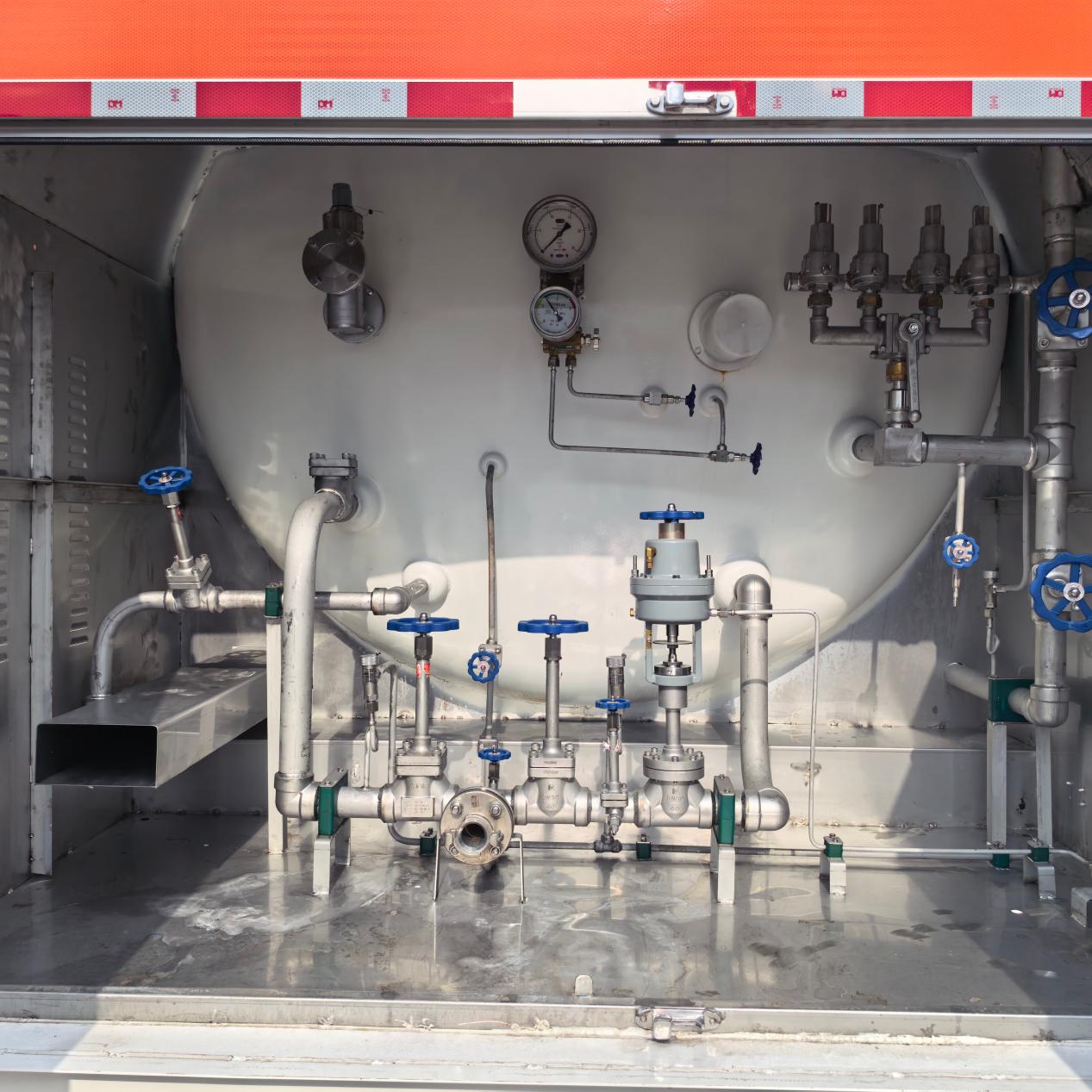
During storage and transport, liquid oxygen inevitably absorbs heat from the surrounding environment and vaporizes, causing pressure inside the tank to rise. The HCSV HCH9401GDYB has a design pressure of 1.6 MPa and uses multiple layers of pressure protection.
A cryogenic spring-loaded safety valve serves as the primary overpressure protection device. When the tank pressure reaches the preset threshold, the valve opens automatically to relieve pressure; after the pressure returns to the safe range, it reseats automatically. Its relieving capacity is verified against the applicable standards. The safety valve must be calibrated at the intervals required by the relevant regulations. Persistent frosting on the valve body generally indicates internal leakage at the sealing surface and requires prompt inspection and repair.
The pressure-building and regulating system balances transport safety with unloading efficiency. During transit, the pressure-building valve remains closed to keep tank pressure low. During unloading, a pressure-building vaporizer raises the internal pressure to an appropriate level, while the pressure regulator controls it precisely to keep discharge operations stable.
The equipment is also fitted with a manual vent line. Under stationary conditions, it allows operators to release pressure manually as a backup to the automatic safety devices.
Strict Qualification Requirements: Specialized Pressure-Vessel Manufacturing Capability
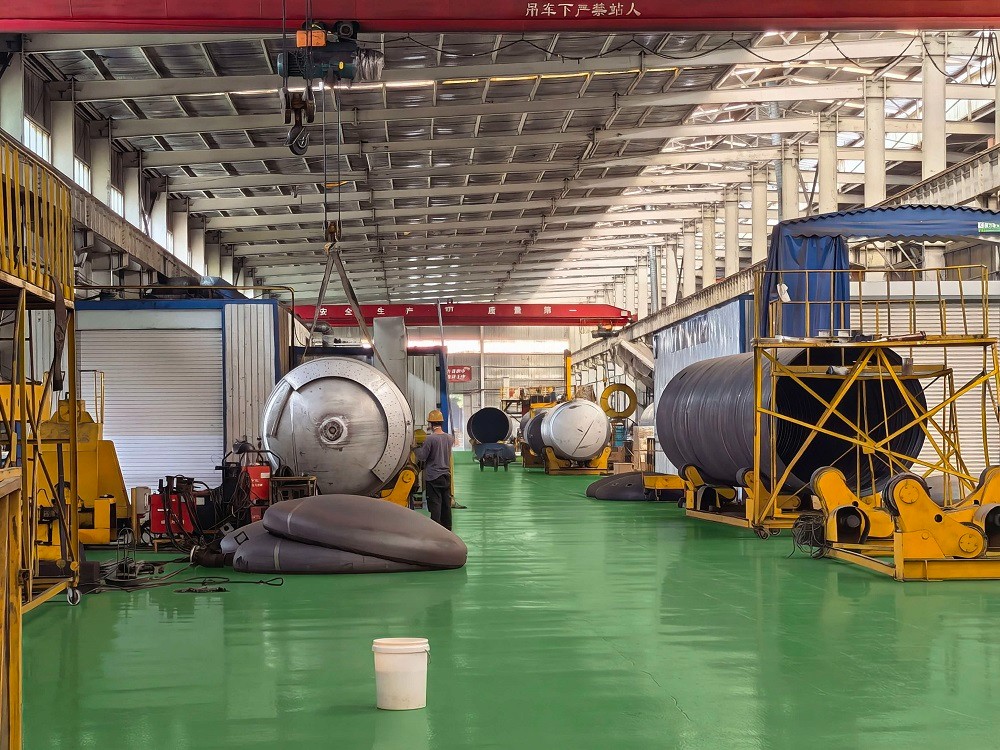
Mobile cryogenic pressure vessels are classified as special equipment and are subject to stringent manufacturing requirements. Manufacturers must hold a special equipment manufacturing license issued by the national regulatory authority. Critical processes - including cryogenic material selection, automated welding, vacuum-insulation sealing and comprehensive nondestructive testing of welds - are tightly controlled. After fabrication, the tank must also undergo multiple type tests, including hydrostatic testing, leak-tightness testing and cryogenic cycling. Only a limited number of manufacturers can conduct independent research and development and achieve full-scale production.
HCSV is a leading specialized-vehicle manufacturer in China and holds A2-level qualifications for stationary pressure vessels and C2-level qualifications for mobile pressure vessels. The company operates a dedicated automated pressure-vessel production line supported by comprehensive nondestructive testing and type-testing capabilities. With more than two decades of experience in cryogenic tank trailers, HCSV has built substantial technical expertise and is among the few suppliers in the sector capable of covering the complete chain of design, manufacturing and inspection.
Conclusion
Safe cryogenic transport depends both on reliable equipment design and on standardized day-to-day operation. For cryogenic transport trailers, these two elements work together to control risk throughout the journey. The HCSV HCH9401GDYB follows China's national pressure-vessel standards and the applicable supervision regulations for mobile tankers, using proven engineering solutions to support the safe road transport of liquid oxygen.
Guided by its commitment to “Build the Changhua Brand and Create a Century-Long Enterprise,” HCSV remains focused on the specialized-vehicle sector and places safety at the center of product development. The company will continue working with industry professionals to uphold the safety baseline for hazardous-goods transportation.
 Hebei Changhua Star Vehicle Co.,Ltd.