Water tankers play a crucial role in industries and communities where access to reliable water sources is limited or inconsistent. Whether used for construction, agriculture, municipal services, or emergency support, these vehicles provide a flexible and efficient way to transport and distribute large volumes of water. Understanding how water tankers are built, the capacities available, operational costs, and proper selection criteria is essential for buyers, operators, and project planners. This article offers a comprehensive overview of water tankers, covering types, applications, pricing, maintenance considerations, and key steps for procurement.
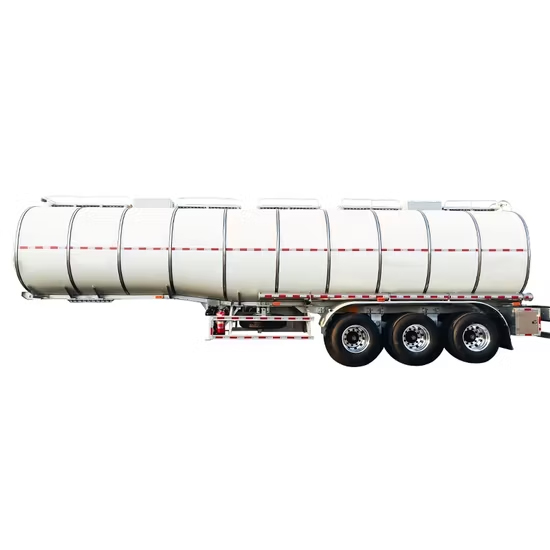
What Is Water Tanker?
A water tanker is a vehicle or trailer system whose principal function is the transport, temporary storage and controlled distribution of water. Tankers are engineered systems — built with purpose-chosen tank materials (steel, stainless steel, aluminum or polyethylene), internal baffling to reduce liquid surge, pump and valve systems for discharge, and fittings for hoses, spray bars or hydrant connections. Water tankers can be configured and certified either for potable (drinking) or non-potable uses; the material selection, sanitization processes and regulatory documentation differ accordingly. In practical terms, a water tanker turns the truck, trailer or semi-trailer into a mobile water plant that solves supply gaps where pipelines, hydrants or natural sources are unavailable or insufficient.
Types And Sizes Of Water Tankers
Water tankers are categorized by chassis type, tank material and capacity. Common classes include:
Small Utility Trucks (1,000–3,000 gallons): Compact, maneuverable units used for urban landscaping, municipal crews and short-run delivery.
Standard On-Road Water Trucks (3,000–6,000 gallons): The most widely used class; balance capacity and access for construction, rental fleets and municipal services.
Large Construction / Mining Trucks (6,000–20,000+ gallons): Heavy-duty chassis, reinforced tanks and high-volume pumps for dust suppression and site water.
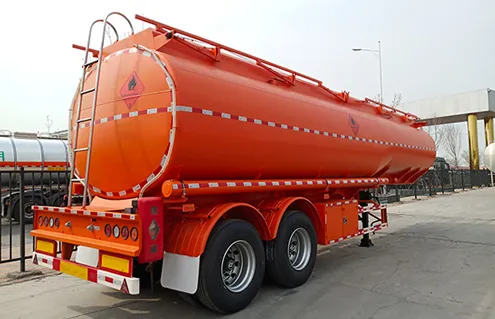
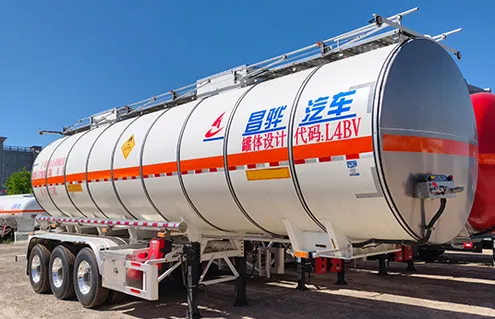
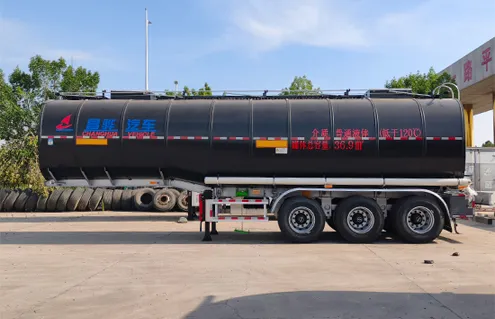
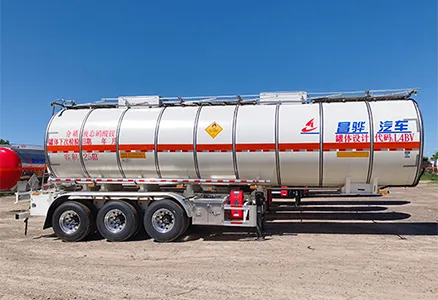
Semi-Trailer Tankers (6,000–10,000+ gallons and up): For long-haul bulk delivery, permitting higher payloads and compartmenting options.
Potable Water Tankers (any size): Built from food-grade materials and subject to sanitary regulations; used for drinking water relief, events and potable supply.
Size selection is driven by GVWR and axle limits, the intended duty cycle (frequent short fills vs. infrequent large deliveries), and access constraints at both origin and destination.
What Are The Water Tanker Usage Areas?
Water tankers are versatile and used across public and private sectors:
Construction & Civil Works: Dust suppression, compaction and on-site water for mixing concrete or curing.
Agriculture & Irrigation: Supplemental irrigation, livestock watering and mobile distribution to remote fields.
Municipal Services: Street sweeping support, park irrigation and municipal water delivery where mains are absent.
Emergency Response & Humanitarian Aid: Potable water delivery after natural disasters, contamination events or during drought relief.
Industrial & Mining: Dust control, process water supply and cooling systems at sites without fixed infrastructure.
Fire Support & Wildfire Containment: Mobile water supply in areas beyond hydrant reach (often combined with firefighting apparatus).
Each use case imposes different requirements on tank material, pump capacity, hose fittings and sanitation protocols.
How Much Does A Tanker Of Water Cost?
Interpreting “a tanker of water” can mean either (A) the cost to buy a delivered load of water, or (B) the cost to purchase a water tanker vehicle. Both are important:
A. Cost to Buy a Delivered Load (commercial delivery):
Non-potable water (construction/irrigation): prices vary by region, typically quoted per cubic meter or per load. Short local runs may cost a moderate flat fee; long hauls or remote fills add fuel and driver time.
Potable water (certified drinking water): higher per-gallon rates due to treatment, testing and sanitary handling. Emergency deliveries or out-of-hours service will raise the price further.
Exact figures vary widely; for budgeting, many contractors use per-gallon or per-m³ estimates from local suppliers and add an hourly haulage rate.
B. Cost to Purchase a Water Tanker Vehicle:
Small retrofit units (1,000–3,000 gal): These offer a lower entry price, especially when sourced from older fleets, though variations in prior usage and component wear can affect long-term reliability.
Standard medium trucks (3,000–6,000 gal): New models in this range typically fall within the lower to mid six-figure USD bracket and provide more consistent performance, updated safety features, and longer service life due to modern chassis and integrated tank systems.
Large off-road/mining units and semi-trailers: significantly more expensive, depending on custom features, materials (e.g., stainless) and heavy-duty components.
When quoting purchase price, always include installed pump package, hose sets, baffling, and any potable certification costs.
What Is The Capacity Of A Water Tanker?
Capacity is expressed in gallons (US) or liters and depends on the combination of chassis and tank design:
Small utility units: 1,000–3,000 gallons
On-road standard: 3,000–6,000 gallons
Large construction/mining: 6,000–20,000+ gallons
Semi-trailers: typically 6,000–10,000+ gallons — multiple compartments are common for payload control and stability
Two practical constraints shape real-world capacity: legal weight limits (GVWR/axle load rules) and liquid density. Water is heavy (≈8.34 lb/gal), so a 6,000-gallon load weighs roughly 50,000 lb just for the water — add chassis weight and cargo, and you must stay within permitted limits. That’s why some operators choose larger volume trailers or more axles rather than overloading a single chassis.
How Much Does Maintenance On A Water Tanker Cost?
Maintenance cost is driven by usage intensity, tank material, and operating environment:
Routine maintenance: chassis service (engine, transmission, brakes), tires, suspension — similar to other heavy trucks but often accelerated due to heavier average payloads.
Tank & system maintenance: periodic cleaning (critical for potable service), pump overhaul, valve and seal replacement, and inspection of baffles and fittings. Potable fleet units require certified sanitization and water-quality testing at regular intervals.
Corrosion control: steel tanks need coatings and occasional repairs; stainless steel costs more up front but lowers long-term corrosion costs.
Estimated ballpark: for a medium-use on-road truck expect annual maintenance and inspection costs ranging from several thousand to tens of thousands USD depending on local labor rates and intensity of use. For fleet operations, budget 5–10% of capital cost annually as a planning rule of thumb, adjusting for age and operating profile.
How To Order Water Tanker?
Ordering or procuring a water tanker — either buying a truck or scheduling water delivery — follows a clear process:
Define the requirement: potable vs non-potable, daily delivery volume, pressure/pump needs, access constraints, and frequency.
Choose capacity & configuration: match gallons needed per run to route and legal limits; decide compartments and baffling.
Specify tank material & certification: food-grade for potable, corrosion-resistant coatings for aggressive environments.
Select pump and discharge options: pressure, flow rate (GPM), hose lengths, spray bars or hydrant couplings.
Request supplier proposals: get detailed quotes including delivery, warranty, service network and sanitary documentation for potable units.
Verify compliance & endorsements: ensure the supplier documents testing, and confirm driver licensing requirements for your jurisdiction.
Plan site logistics: confirm approach clearance, turning radii, and ground bearing capacity.
Work with established suppliers who provide references, warranties, and after-sales service — this protects uptime and ensures regulatory compliance.
Conclusion
Water tankers are engineered solutions that bridge supply gaps across many sectors. The right selection balances capacity, chassis capability, legal limits, material choice and intended use. From a lifecycle perspective, invest in corrosion-resistant materials, proven pump systems, and a maintenance plan — and always document potable handling procedures when required. With two decades in the field, my practical advice is simple: define your use case precisely, validate supplier credentials, and size the tanker to the real route and operating constraints rather than theoretical maximums. That approach minimizes cost, maximizes uptime, and keeps operations compliant and safe.
FAQS
Do I need a tanker endorsement to haul water?
Often, yes. In many jurisdictions (for example, the U.S.), hauling large volumes of liquids requires a commercial driver’s license (CDL) with a tanker endorsement (commonly “N”) if the vehicle meets certain weight thresholds or is configured as a tank vehicle. Check local transport authority rules for precise thresholds and testing requirements.
Is tanker water safe for drinking?
Tanker water can be safe if the source is potable and the tanker is dedicated or properly sanitized and certified for drinking water. Potable tankers use food-grade materials and follow strict cleaning, chlorination and testing protocols. Never assume a tanker is potable without documentation.
Are water tankers only used for drinking water?
No. Many water tankers carry non-potable water for construction, dust control, irrigation, and industrial uses. Potable service is a specific subset that requires additional materials, sanitation and paperwork.
 Hebei Changhua Star Vehicle Co.,Ltd.