Understanding how many gallons a tanker truck can hold is essential for planners, operators, and buyers across construction, municipal services, agriculture, mining, and bulk transport. Tanker capacity is not a fixed number; it varies widely depending on vehicle class, tank design, axle configuration, liquid density, and regional regulations. From compact 1,000-gallon units to 20,000-gallon heavy-duty trucks, each configuration serves a specific operational need. This guide explains why capacities differ, outlines common ranges by tanker type, and offers practical criteria for choosing the right volume while staying compliant with weight limits and route restrictions.
How Many Gallons Does a Tanker Truck Hold?
Tanker truck capacities vary considerably by vehicle type and intended use. Typical ranges you will encounter in the field:
Small utility and municipal trucks: ~1,000–3,000 gallons.
Standard on-road tankers: ~3,000–6,000 gallons.
Large construction/mining water trucks: ~6,000–20,000+ gallons.
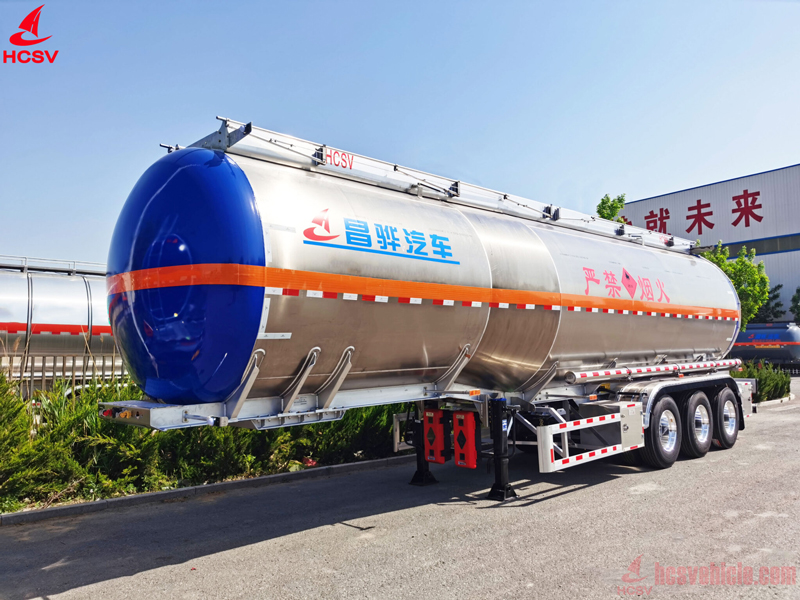
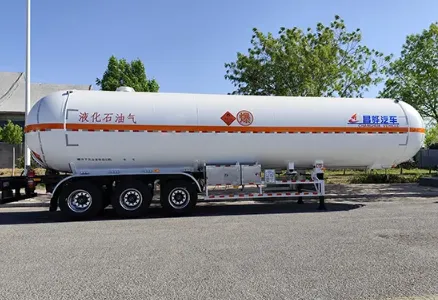
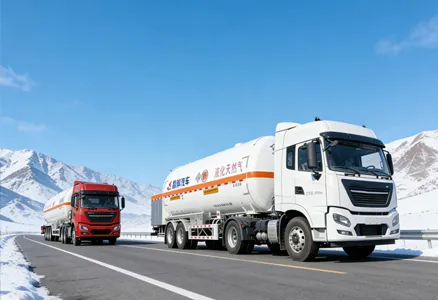
Semi-trailer tankers / long-haul fuel trailers: often in the 6,000–11,600+ gallons range (trailers can be configured with multiple compartments and additional axles to increase payload within legal limits).
These values are broad because design choices (tank material and shape), chassis/axle configurations, and regional regulation all affect the practical, lawful capacity of any given unit. Capacity is typically stated in gallons (US) or liters; however, the usable capacity will always be constrained by weight limits on roads and bridges.
Why Tanker Truck Capacity Varies
Several technical and regulatory factors explain why two trucks with visually similar tanks might have different legal capacities:
1. Gross Vehicle Weight Rating (GVWR) and Axle Limits
The GVWR and axle load limits determine how much weight a vehicle can legally carry. Because water is heavy (≈8.34 lb per US gallon), volume translates directly into weight. For example, a 6,000-gallon load of water weighs roughly 50,040 lb just for the liquid — before adding chassis weight, fuel and equipment — so operators must design around axle and gross weight rules.
2. Liquid Density and Product Type
Different liquids have different densities. Water is the baseline (~8.34 lb/gal), but heavier or lighter products (certain chemicals, fuels) will alter allowable volume if the vehicle reaches weight limits before volume does.
3. Tank Design and Baffling
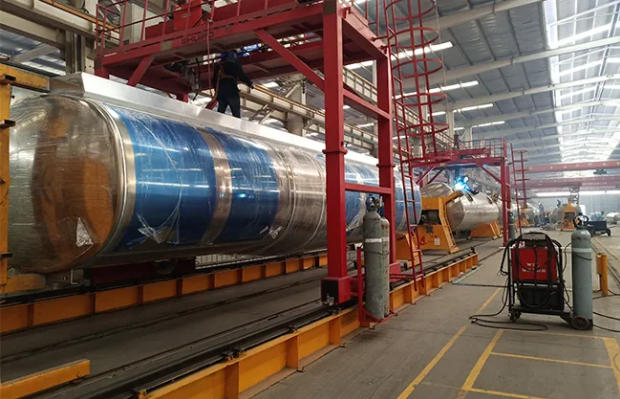
Cylindrical tanks, elliptical tanks, and baffled compartments affect how much liquid you can safely carry and how the vehicle handles dynamic loads. Compartments reduce surge and allow multiple products, but they also reduce single-compartment maximum volume.
4. Chassis and Suspension
Heavier-duty chassis and multi-axle configurations permit higher payloads. Adding axles distributes weight and lets operators increase volume while staying within legal axle-load limits.
5. Regional Regulations and Permitting
Local bridge laws, road weight limits, and permitting processes vary by country, state and even by route. What’s allowed on a wide rural highway may be illegal on an urban street or weight-restricted bridge.
6. Safety and Operational Requirements
Firefighting units, potable-water carriers, and chemical tanker trailers may carry extra equipment (pumps, hoses, pumps housing, treatment systems) that reduce net water capacity compared with a bare tank of the same outer dimensions.
Typical Capacities by Tanker Type
To make capacity comparisons practical, here are common tanker types and their usual capacity ranges along with use cases:
Small Utility / Municipal Trucks (1,000–3,000 gal)
Used for street cleaning, small landscaping tasks and short-range deliveries. Advantages: maneuverability and lower capital cost. Limitation: frequent refill requirements for larger jobs.
Standard On-Road Water Trucks (3,000–6,000 gal)
The workhorse for many construction and municipal fleets — a balance of capacity and accessibility. Good for daily site support, smaller rural deliveries and municipal needs.
Large Construction & Mining Tankers (6,000–20,000+ gal)
Built on heavy-duty chassis with reinforced tanks and high-capacity pumps for dust control, compaction, and mine-site water supply. Often off-road capable and designed for continuous heavy use.
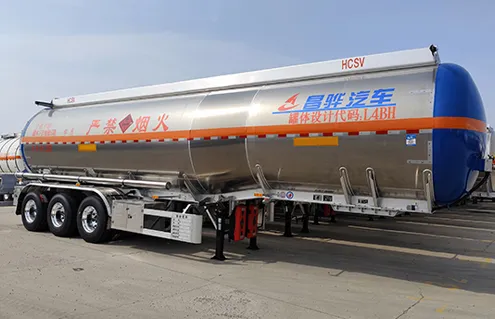
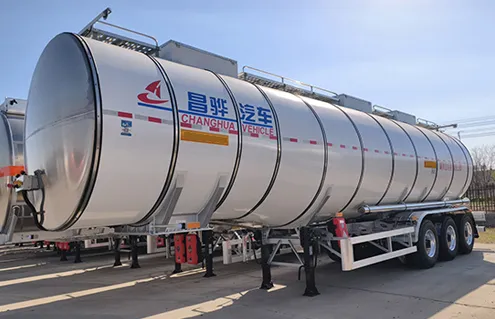
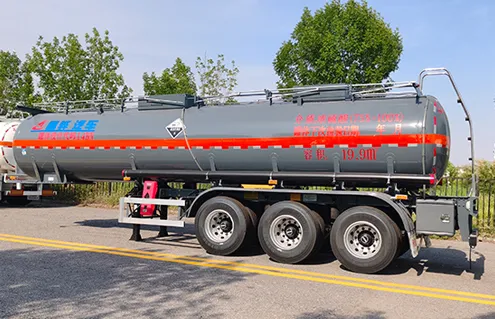
Semi-Trailer Tankers (6,000–11,600+ gal and up)
Common for long-haul bulk delivery; trailers allow multiple axles and compartmenting to meet route weight rules while maximizing volume.
Specialized Potable Water Tankers
Capacities mirror the chassis class but include food-grade tanks, sanitation systems and certification documentation. These can be any size but require additional investment in materials and maintenance.
How to Choose the Right Tanker Capacity
Selecting the correct capacity is a trade-off among operational efficiency, legal constraints and capital cost. Follow this checklist:
Define the mission: Are you delivering potable water, dust-control water, or another liquid? Frequency and distance of runs matter.
Estimate daily volume needs: Calculate gallons required per shift or per job — consider peak demand.
Consider route constraints: Check bridge and axle limits for typical routes; pick a chassis with the right axle count.
Balance per-trip cost vs. refresh rate: Larger tanks lower per-gallon haul costs but raise capital and sometimes operating costs (fuel, maintenance).
Factor pump and discharge needs: High-flow applications (e.g., firefighting) need pumps rated in hundreds of GPM; irrigation might need slower flow but longer hose reach.
Decide on potable vs. non-potable: Potable tanks need food-grade materials and cleaning regimes — this affects long-term costs.
Plan for maintenance and uptime: More complex tanker systems (multi-compartment, high-pressure pumps) require a stronger maintenance program.
A practical rule: size tanks to reduce the number of trips during peak operations without exceeding legal weight limits or creating access issues at delivery sites.
Regulatory and Regional Difference
Regulatory frameworks shape capacity choices significantly:
United States — Federal GVW rules (80,000 lb gross on the Interstate without special permits) and state axle/bridge formulas often determine maximum legal payloads. Many long-haul tankers use multiple axles or trailers to distribute weight.
Europe — Weight and dimension limits differ by country; manufacturers often provide region-specific chassis/tank packages.
Developing markets / rural areas — Road and bridge quality may be the primary limiter, encouraging use of smaller units or off-road-capable heavy trucks.
Permits and Oversize/Overweight Routing — For loads exceeding statutory limits, operators must secure permits, plan routes that avoid weak bridges, and sometimes travel at restricted times. These permits add cost and logistical complexity.
Always consult local transport authorities and, when in doubt, the vehicle manufacturer for chassis/tank combinations that comply with local laws and standard practice.
Conclusion
Tanker truck capacity is not a single number but a range influenced by vehicle design, liquid type, chassis configuration, and regional regulation. Effective selection balances operational needs (gallons required and flow rates), legal limits (GVWR and axle loads), and cost considerations (capital and operating expenses). When planning purchases or fleet deployments, model real-route scenarios, include weight calculations in planning (remember water ≈8.34 lb/gal), and prioritize chassis/axle configurations that deliver required capacity while staying legal and safe.
FAQs
What limits how much a tanker truck can carry?
Legal GVWR, axle-load limits, tank design, and the density of the liquid are the primary constraints. Road infrastructure and permits can further restrict usable capacity.
Why weight determines capacity?
Because liquids translate volume directly into mass. Water weighs about 8.34 lb per US gallon, so volume quickly adds up: for example, a 3,000-gallon load equals ~25,020 lb of water, and a 6,000-gallon load equals ~50,040 lb of water. Exceeding legal weight limits risks fines, bridge damage, and safety hazards.
Can a tanker carry multiple products at once?
Yes — multi-compartment tanks allow different products or grades to be carried simultaneously, improving logistics flexibility. However, compartments require careful cleaning procedures and compatibility checks if switching between incompatible liquids (e.g., potable water vs. industrial fluids). Compartmenting also affects surge, pump complexity and usable volume per compartment.
 Hebei Changhua Star Vehicle Co.,Ltd.