With the continued development of economic cooperation between China and Gulf Cooperation Council (GCC) countries, demand for energy, infrastructure and logistics services continues to grow. As a result, various tanker vehicles, including liquid tank trailers and powder tank trailers, are increasingly being introduced into Middle Eastern markets.
The Middle East's extensive desert environment creates demanding operating conditions, including extreme heat, strong sandstorms, intense ultraviolet radiation and significant temperature differences between day and night. These factors place strict requirements on the reliability, safety and service life of tanker vehicles.
For projects operating in such environments, selecting the right tanker trailer configuration is essential. This guide discusses the key considerations for tanker trailers for Middle East conditions, covering vehicle design adaptation, maintenance practices, safety management and local operating requirements.
Key Operating Challenges for Tanker Trailers in Middle East Desert Conditions
Most areas in the Middle East feature tropical desert climates, with long and extremely hot summers. In many Gulf countries, daytime temperatures during summer can reach 45°C to 50°C, while exposed surfaces may exceed 65°C.
Under prolonged sunlight exposure, tanker bodies can reach even higher surface temperatures. Extreme heat can accelerate the aging of rubber seals, reduce lubricant performance, increase brake system thermal degradation and raise the temperature and pressure of transported materials inside the tank.
These conditions create additional safety challenges, especially for the transportation of hazardous materials.
Sand and Dust Exposure
Strong sand and dust conditions represent another major challenge for tanker trailers operating in desert regions.
Fine sand particles with high hardness can accelerate wear on tank coatings, chassis components and tires. Dust may also enter engine air intake systems, bearing gaps and valve sealing surfaces, causing increased wear, component blockage and sealing failures.
In addition, desert areas often experience temperature differences of more than 20°C between daytime and nighttime.
Repeated thermal expansion and contraction of metal structures can create stress concentration around weld areas and sealing interfaces.
Long-term exposure to strong ultraviolet radiation can also accelerate the aging and brittleness of non-metal components, reducing the service life of pipelines, rubber parts and electrical components.
Some coastal desert regions may additionally experience salt spray conditions, further increasing corrosion risks.
Vehicle Design Adaptation: Building Protection Against Extreme Environments
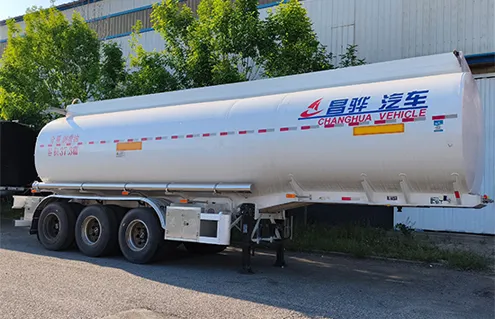
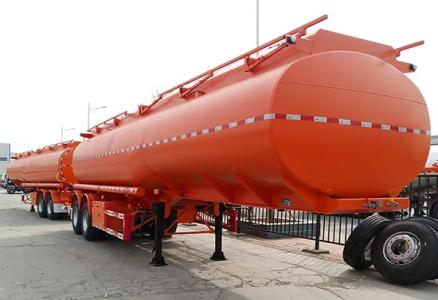
A heavy duty tanker trailer designed for Middle East desert conditions requires targeted optimization in material selection, structural design and system configuration.
These adaptations help improve environmental resistance and long-term operating reliability.
Tank Materials and Corrosion Protection
For transporting general materials, high-strength weather-resistant steel can be selected according to application requirements.
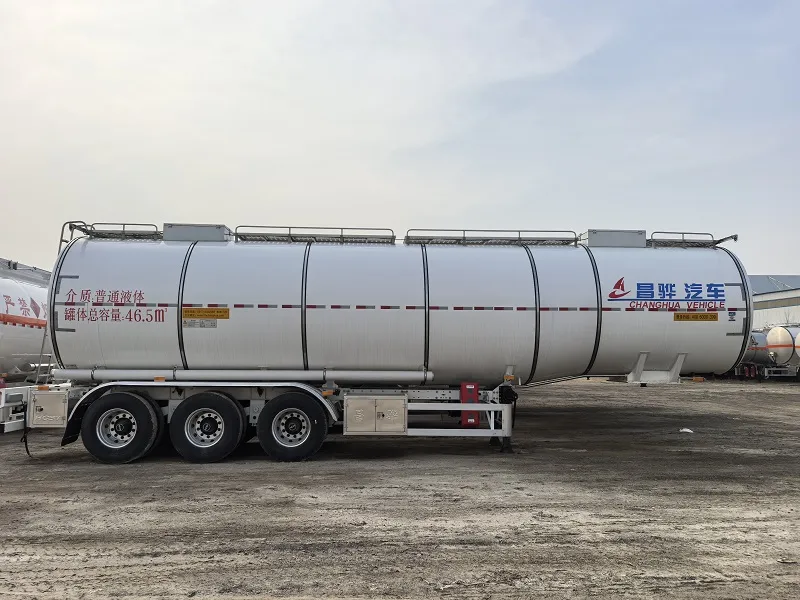
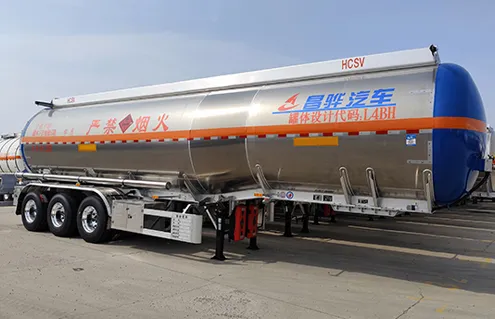
For hazardous materials and clean transportation applications, aluminum or stainless steel tanks are commonly preferred due to their corrosion resistance and material advantages.
The external tank surface should use a multi-layer coating system, such as epoxy zinc-rich primer combined with high-temperature-resistant fluorocarbon topcoat, to improve resistance against high temperatures, sand abrasion and salt spray corrosion.
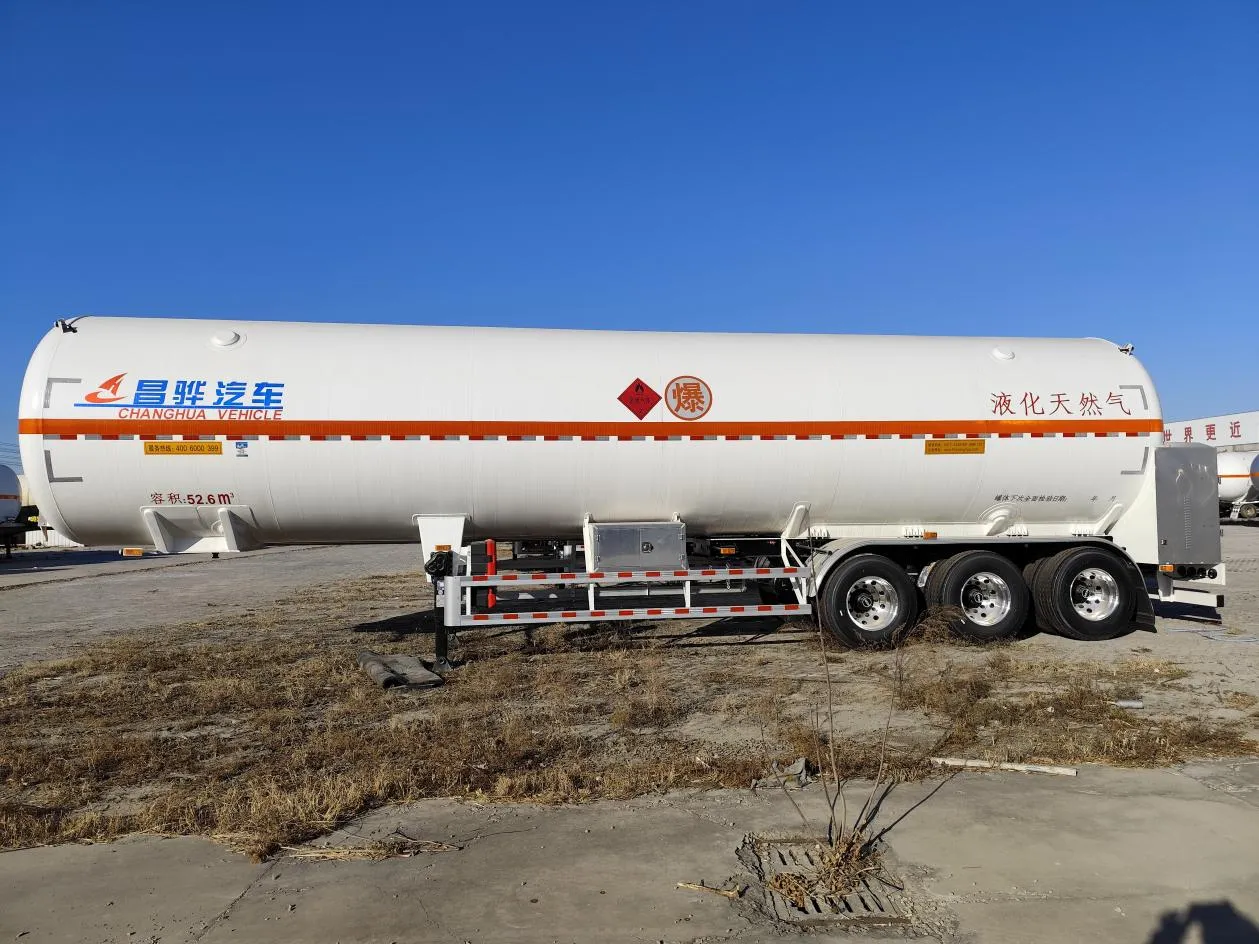
For LNG, low-temperature liquid chemicals and other temperature-sensitive media, cryogenic liquid trailers require vacuum insulation layers combined with high-temperature protective structures to reduce heat transfer from the external environment and control evaporation rates.
Sealing and Pressure Control Systems
Under high-temperature operating conditions, all sealing areas, including manholes, valves and pipeline connections, require suitable high-temperature-resistant sealing materials.
Compared with conventional rubber materials, high-temperature-resistant fluororubber or perfluoroelastomer seals provide improved resistance against softening and deformation, reducing the risk of leakage caused by extreme temperatures.
As high temperatures can increase internal tank pressure, tanker trailers should be equipped with suitable breathing valves, safety valves and pressure monitoring systems.
These systems help maintain tank pressure within a safe operating range under different climate conditions.
Chassis and Driving System Adaptation
The engine air intake system should be equipped with multi-stage dry air filters and dust pre-filters to reduce the risk of fine sand entering the engine cylinders.
Tires should be selected according to operating conditions, with high-temperature-resistant, tear-resistant desert tires or heavy-duty tires used where necessary.
Proper tire pressure adjustment can improve mobility on sandy surfaces.
The braking system should also include enhanced heat dissipation designs.
For example:
These improvements help reduce brake fade during long-distance driving and downhill operation.
All bearings and transmission components should use high-temperature lubricants and dust-resistant sealing structures to prevent sand intrusion.
Full-Cycle Tanker Trailer Maintenance for Desert Operation
Operating a tanker trailer in desert conditions requires maintenance procedures adapted to high temperatures and heavy dust exposure.
Through detailed maintenance management, environmental wear can be effectively reduced and equipment service life can be extended.
Daily Inspection Before Operation
Before each operation, drivers should conduct detailed inspections, including:
checking tire pressure and tread wear;
adjusting tire pressure according to ambient temperature;
inspecting tank seals, valves and pipeline connections;
confirming that there are no leakage risks;
cleaning dust from air filter pre-filters;
checking brake fluid and coolant conditions.
These inspections help ensure that cooling and braking systems remain in proper operating condition.
Driving Practices in Hot and Dusty Environments
During operation, driving schedules should be managed carefully.
Long periods of continuous high-speed operation should be avoided. After every 2 to 3 hours of driving, vehicles can stop in shaded areas for short cooling periods to reduce thermal loads on braking systems and engines.
During sandstorms, drivers should reduce speed and minimize dust exposure to vehicle components.
Sudden acceleration and emergency braking should also be avoided to reduce tire heat buildup and unnecessary wear.
Regular Maintenance Requirements
Compared with operation in temperate regions, maintenance intervals should be shortened in desert environments.
Recommended practices include:
replacing air filters and fuel filters more frequently;
regularly cleaning dust from intake systems;
inspecting tank coatings and weld areas;
repairing damaged anti-corrosion coatings promptly;
checking valves and sealing components regularly;
testing tank wall thickness and insulation performance periodically.
For vehicles transporting temperature-sensitive materials, maintaining stable insulation performance is especially important.
Safety Management for Different Transportation Applications
Different transported materials have different sensitivity to high temperatures. Therefore, transportation safety measures should be developed according to specific cargo characteristics.
Hazardous and Flammable Material Transportation
For transporting volatile and flammable materials such as LPG, gasoline and butadiene, filling levels must be carefully controlled.
Sufficient vapor space should be maintained to prevent excessive pressure caused by thermal expansion.
Tanker trailers should be equipped with temperature and pressure monitoring systems to track operating conditions.
If abnormal pressure increases occur, vehicles should stop in shaded areas for natural cooling, and operation under excessive temperature or pressure conditions should be avoided.
Loading and unloading operations should preferably be performed during cooler periods such as early morning or evening to reduce static electricity accumulation and material evaporation risks.
Powder Material Transportation
Powder materials such as cement and fly ash require special attention to moisture control.
Large temperature differences between day and night in desert regions may cause condensation inside tanks, resulting in moisture absorption and material clumping.
Before unloading, operators should check material conditions.
Breathing valves can be equipped with drying filters to reduce moisture entering the tank.
For long-term transportation of highly moisture-sensitive materials, additional drying systems may be considered.
Food-Grade and Cryogenic Material Transportation
For temperature-sensitive materials such as liquid food products and pharmaceutical intermediates, maintaining stable temperature control throughout transportation is essential.
Operators should continuously monitor tank temperature and regularly verify insulation or cooling system performance.
Fast loading and unloading operations can reduce exposure to external high temperatures and help maintain material quality.
Compliance and Localized Adaptation for Long-Term Operation
Long-term operation in Middle Eastern markets requires not only suitable vehicle design but also proper operational management.
Drivers should obtain locally recognized qualifications for hazardous material transportation and vehicle operation while understanding local road regulations and emergency procedures.
Companies should also establish localized spare parts and service systems, maintaining sufficient stocks of commonly replaced components such as seals, filters and brake pads.
Regular training should be provided for operating teams, covering:
desert driving skills;
emergency response procedures;
high-temperature tire failure handling;
tank overpressure response;
sand and dust related failures.
These measures improve operational safety and reduce downtime in challenging environments.
HCSV Supports Reliable Tanker Trailer Solutions for Middle East Markets
Overall, tanker trailer operation in Middle East desert climates requires a combination of suitable vehicle design, professional maintenance practices and comprehensive safety management.
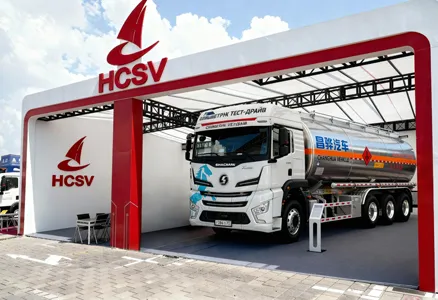
Through continuous development of specialized vehicle technology and accumulated overseas operating experience, HCSV provides reliable transportation solutions for demanding environments.
With optimized structures, practical safety systems and strong manufacturing capabilities, HCSV continues to support energy, infrastructure and logistics projects across the Middle East and other challenging markets.
 Hebei Changhua Star Vehicle Co.,Ltd.