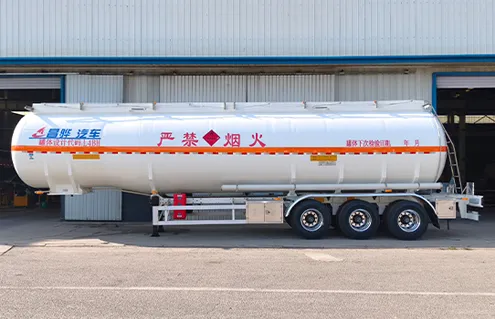
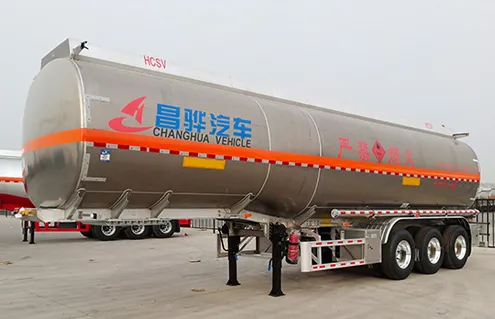
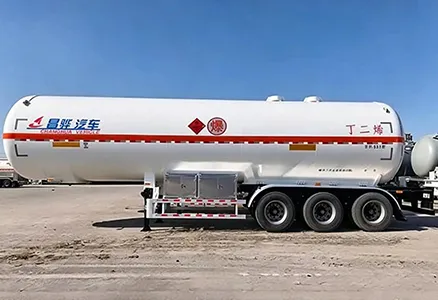
In the specialized vehicle manufacturing industry, aluminum tanker trailers have become increasingly popular in liquid cargo transportation due to their lightweight design, corrosion resistance and high transportation efficiency.
However, how is an aluminum tanker trailer manufactured from raw materials into a complete vehicle?
Recently, we visited the aluminum production line of Hebei Changhua Star Vehicle Co., Ltd. (HCSV) to record the complete manufacturing journey of an aluminum tanker trailer, from component preparation and tank fabrication to final assembly and delivery.
Through multiple precision-controlled processes, including welding, chassis assembly, pressure testing and quality inspection, each HCSV aluminum tanker trailer is manufactured to meet the requirements of safe and reliable transportation.
Inside HCSV Aluminum Tanker Trailer Production Line
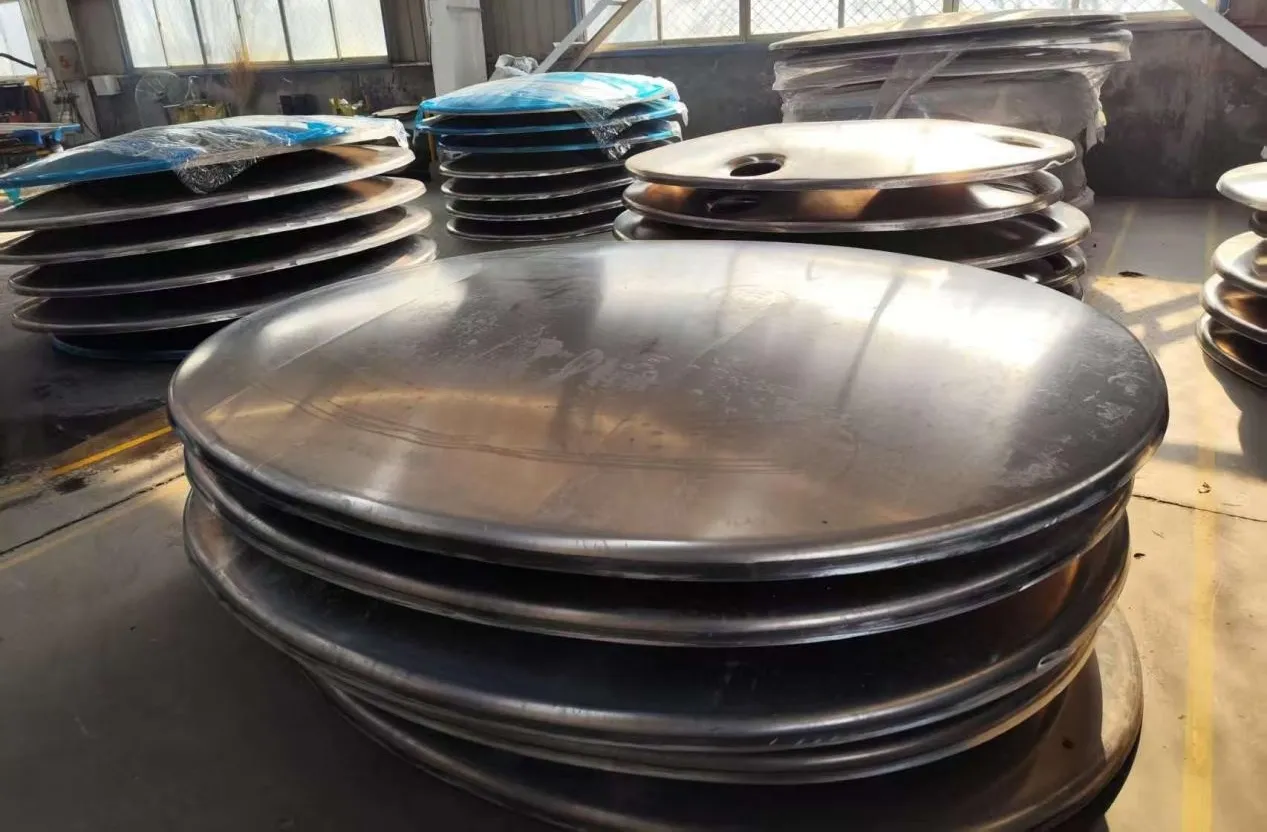
The manufacturing process of an aluminum tanker trailer does not begin with an empty sheet of metal.
Before entering the aluminum production line, key components are prepared in advance according to customer requirements, including tank heads, internal partitions, tank plates, accessories and chassis components.
This pre-production preparation process ensures smooth coordination between different manufacturing stages and provides a reliable foundation for high-precision assembly.
Once all materials and components are ready, the aluminum tanker trailer production line officially begins.
The first key process is tank plate welding, which is completed using automatic welding equipment.
Compared with manual welding, automatic welding provides advantages in weld consistency, forming quality and production stability, creating the first quality control point during tank manufacturing.
After plate welding, aluminum sheets enter the rolling machine process.
Through repeated rolling operations, flat aluminum plates are gradually formed into cylindrical tank sections, creating the basic structure of the tanker body.
The formed sections are then positioned and assembled through spot welding, allowing the tank body to take its initial shape before complete welding.
Aluminum Tanker Trailer Welding Process: Building Strength and Safety
Welding is one of the most important processes in tanker trailer manufacturing.
It directly affects the sealing performance, structural strength and service life of the finished vehicle.
At HCSV's aluminum production line, the welding process is divided into two key stages: internal tank welding and external surface welding.
Internal Tank Welding for Different Transportation Applications
Internal welding mainly focuses on the installation of tank partitions.
Depending on the transported medium, partition welding can use either double-sided full welding or single-sided welding processes.
For vehicles transporting edible oil, a double-sided full welding process is required to ensure a smooth internal tank surface without dead corners.
This design makes future tank cleaning easier while helping maintain hygiene and safety requirements for food transportation applications.
This attention to detail reflects HCSV's ability to adapt aluminum tanker trailer designs according to different transportation requirements.
External Tank Welding with Automatic Welding Technology
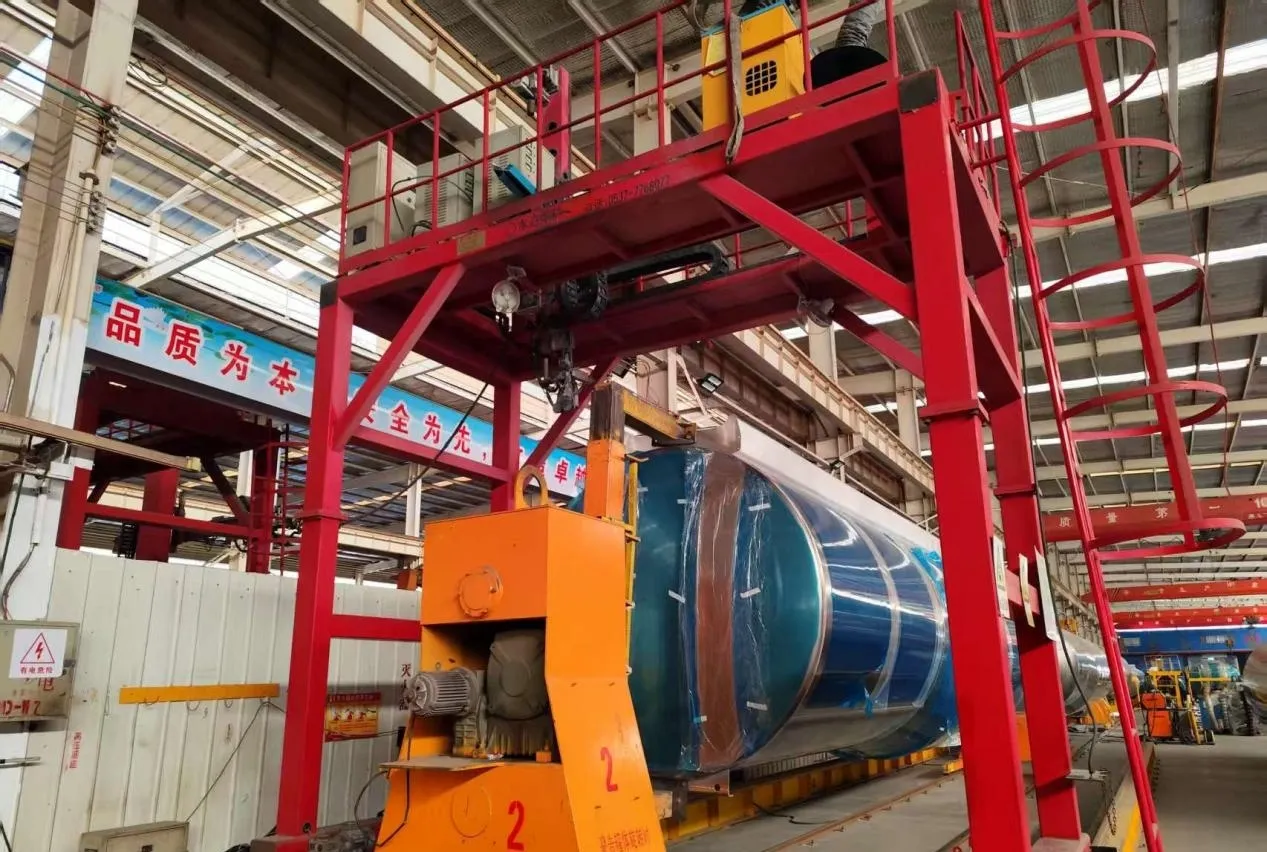
After internal welding is completed, the tank moves to the external welding stage.
Automatic welding equipment is used to complete the welding of both circumferential seams and longitudinal seams, ensuring smooth and consistent weld surfaces.
At this stage, the tank body structure is fully formed, completing one of the most important manufacturing steps of an aluminum tanker trailer.
Chassis Assembly: Transforming the Tank Body into a Complete Trailer
After the tank body is completed, the production line moves to chassis and accessory assembly.
The first step is chassis stabilization welding, where the main chassis structure is welded and fixed.
Additional longitudinal beam welding is then performed to further strengthen the connection and structural integrity of the chassis.
As the foundation supporting the entire vehicle, chassis welding quality directly influences driving safety and long-term service performance.
After chassis reinforcement, the trailer proceeds through several assembly processes, including:
During suspension installation, lifting brackets are welded onto the main beams to provide secure connection points for the suspension system.
The piping installation process completes the arrangement of unloading and ventilation pipelines required for tanker operation.
Through the coordination of each component, the manufacturing process gradually transforms a tank body into a complete aluminum tanker trailer.
Pressure Testing and Quality Inspection Before Delivery
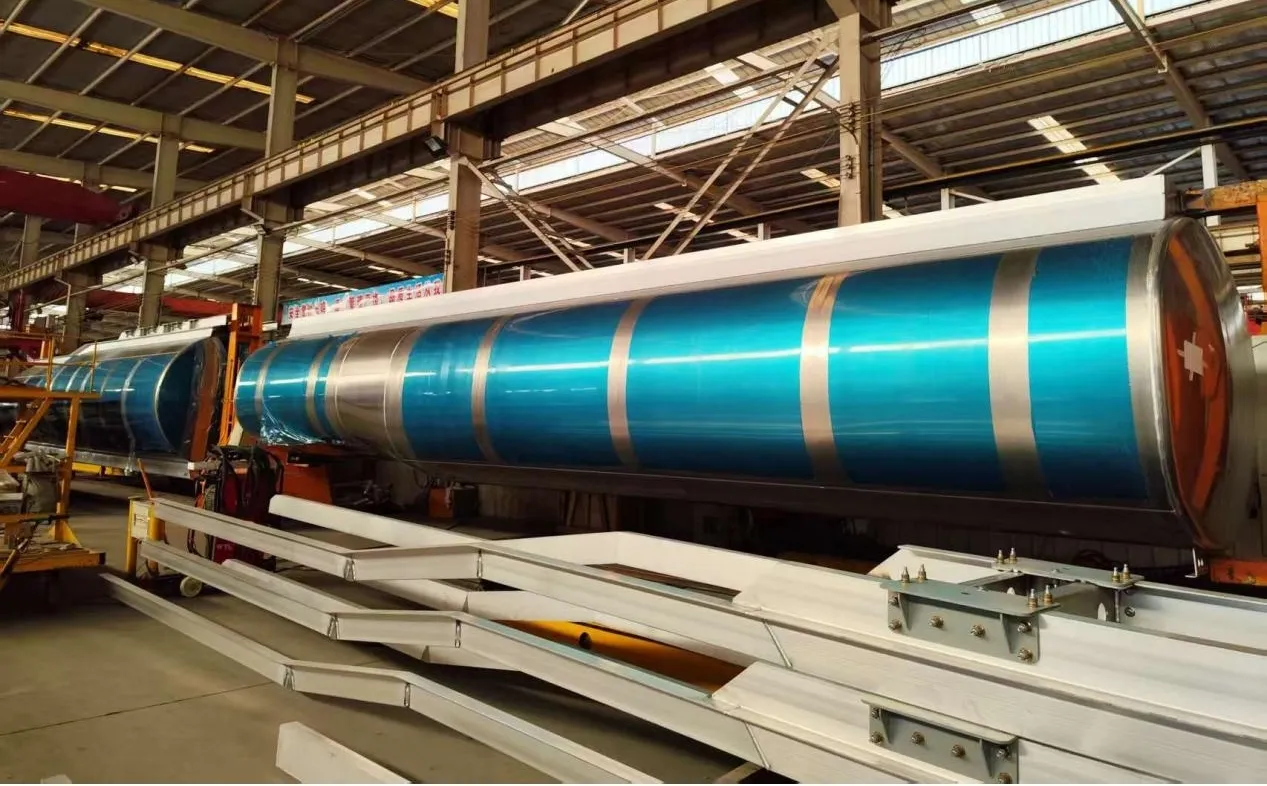
Completing assembly does not mean the aluminum tanker trailer is ready for delivery.
Pressure testing is one of the most important quality control stages in HCSV's aluminum tanker trailer manufacturing process.
During this stage, technicians conduct comprehensive sealing inspections on the tank body, pipelines and valves to ensure there are no leakage risks.
For insulated tanker trailers, insulation heads are also installed during this process to prepare for subsequent insulation treatment.
After passing the pressure test, workers remove protective films from the tank surface and clean the entire vehicle.
This process removes remaining dirt and production residues, ensuring the trailer enters the following production stages in a clean and finished condition.
Final Finishing and Assembly: Ensuring Reliable Operation
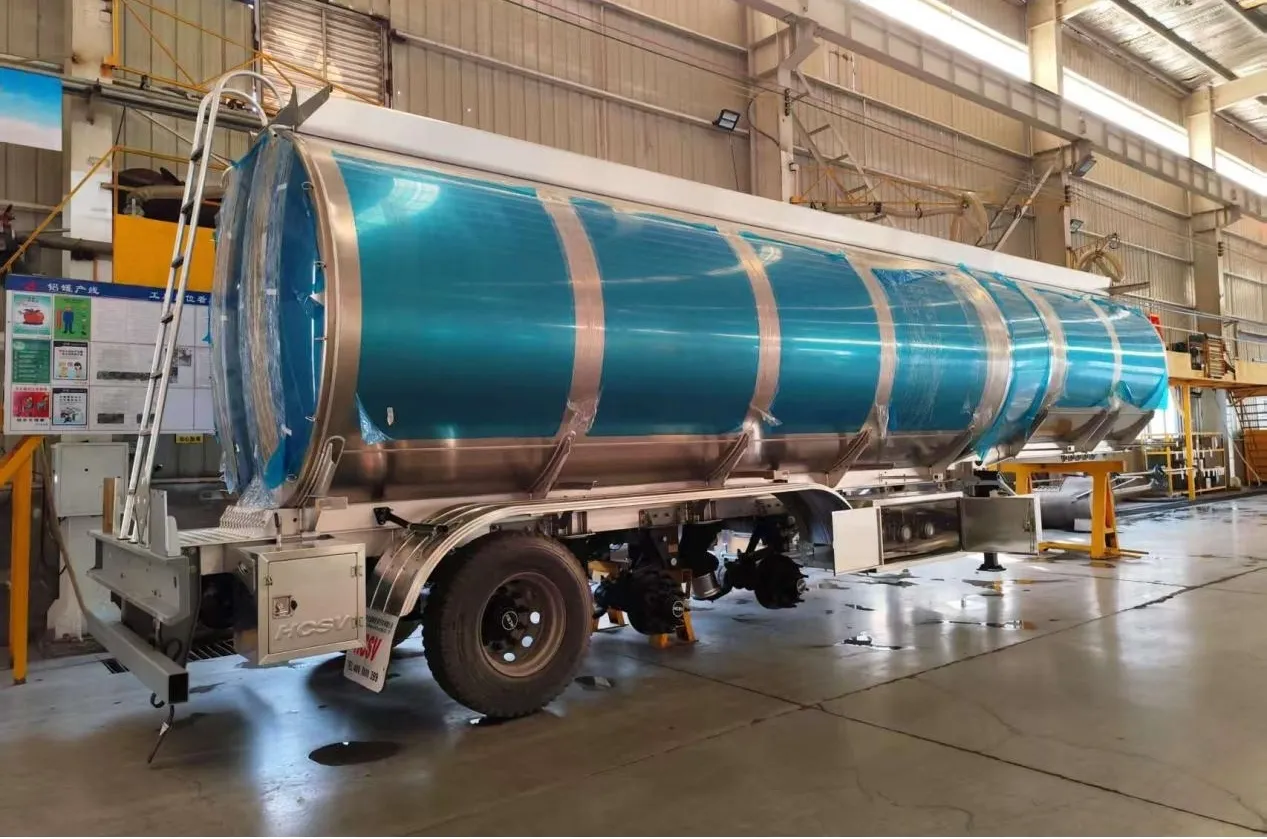
After completion of the aluminum production line process, each trailer is transferred to different finishing workshops according to its configuration requirements.
For insulated vehicles, the trailer enters the insulation workshop for insulation layer installation.
For vehicles requiring painting, the trailer moves to the painting workshop for surface coating.
Finally, all vehicles return to the final assembly workshop, where technicians complete the remaining processes, including:
electrical wiring installation;
reflective marking application;
tire installation;
electrical system adjustment;
brake system testing;
nameplate installation;
chassis number marking.
Every detail contributes to safe operation and regulatory compliance.
Reflective markings improve visibility during nighttime driving.
Electrical and braking system adjustments ensure proper vehicle control performance.
Nameplates and chassis numbers provide official vehicle identification information.
After all processes are completed, the aluminum tanker trailer is officially finished and transferred to the finished product warehouse before shipment to customers worldwide.
From Every Welding Seam to Every Inspection Step: HCSV Manufacturing Commitment
From initial component preparation in the accessory workshop to precision forming through automatic welding, from double-sided full welding of internal tank partitions to strict pressure testing, and from chassis reinforcement to final assembly details, the production of an aluminum tanker trailer requires multiple interconnected processes and continuous quality control.
At HCSV, the philosophy of "Building the Changhua Brand and Creating a Century-Long Enterprise" is reflected not only in corporate principles but also in every welding seam, every inspection procedure and every assembly operation carried out on the production floor.
Through respect for manufacturing processes and commitment to product quality, HCSV continues to produce tanker trailer solutions capable of meeting market demands and long-term operating requirements.
.webp "Lightweight Design & Enhanced Safety | HCSV Aluminum Alloy Methanol Tanker Semi-Trailer Empowering Green Logistics")
 Hebei Changhua Star Vehicle Co.,Ltd.