Against the backdrop of the rapid development of China’s modern chemical industry and clean energy sector, methanol—an important basic chemical raw material and emerging clean fuel—has seen continuously expanding market applications. As a result, upstream and downstream logistics and transportation demand across the industrial chain has experienced explosive growth. Methanol is classified as a Class 3 flammable liquid due to its multiple hazardous properties, including flammability, volatility, toxicity, and corrosiveness. Its transportation places extremely strict requirements on equipment safety, sealing performance, lightweight design, and corrosion resistance. The quality of methanol tanker semi-trailers therefore directly determines the safety baseline, operational efficiency, and overall cost structure of hazardous chemical logistics.
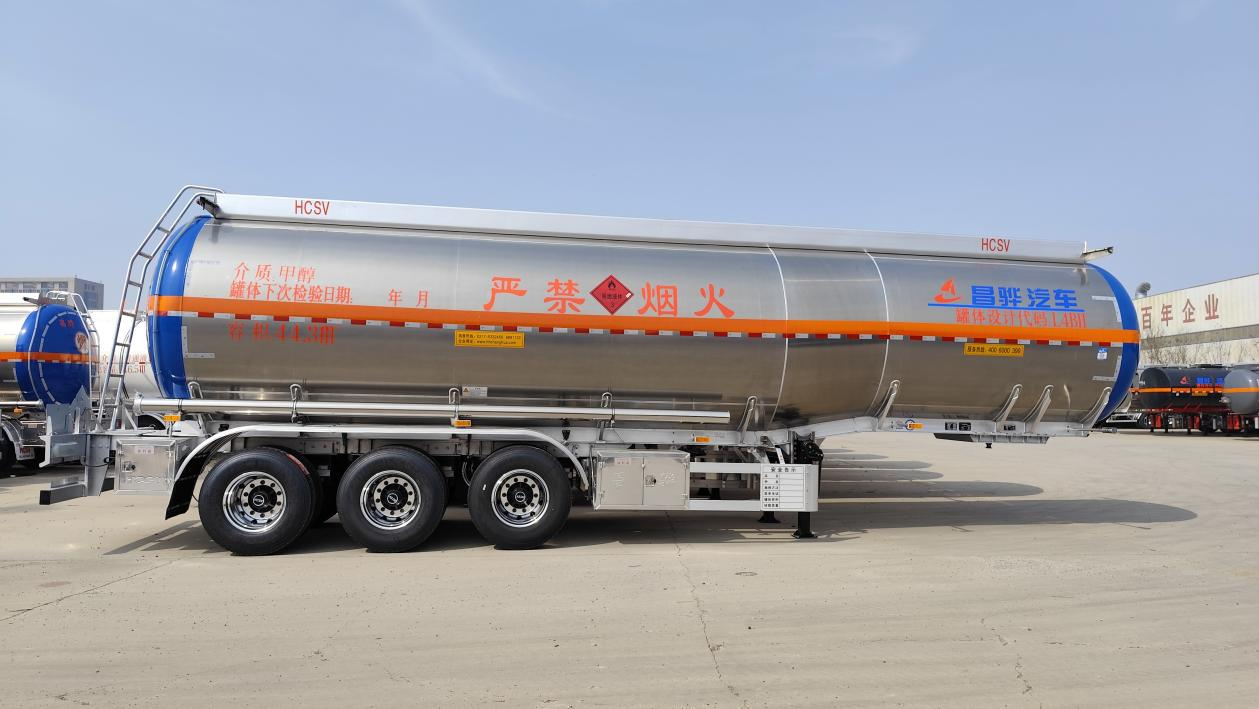
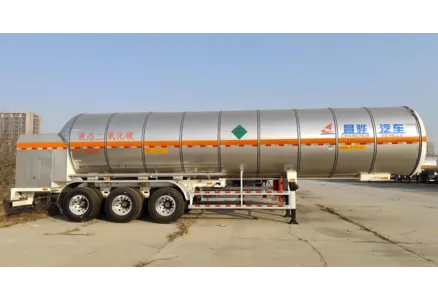
Hebei Changhua Star Vehicle Co., Ltd. (hereinafter referred to as "HCSV") draws on more than three decades of expertise in the R&D and manufacturing of specialized vehicles. The company has long been engaged in the field of hazardous chemical transportation equipment and has developed a precise understanding of methanol’s material properties as well as key pain points in its transportation. Based on this foundation, HCSV has launched an aluminum alloy methanol tanker semi-trailer, featuring lightweight materials, scientifically optimized structural design, and a comprehensive safety protection system. The product is designed to address major industry challenges such as fire and explosion risks, leakage, poisoning hazards, cargo loss, and issues related to overweight and oversize transportation. It provides the chemical and hazardous materials logistics industry with a customized transportation solution that is safe and compliant, highly efficient and energy-saving, as well as cost-effective and durable, supporting the high-quality, standardized, and green transformation of China’s hazardous chemical transportation sector.
Complex and Stringent Medium Characteristics: Methanol Transportation Requires Dedicated Safety Equipment
Methanol is an indispensable key raw material in modern industrial systems. It is widely used in fine chemicals, pharmaceutical manufacturing, energy fuels, new energy vehicles, and advanced materials, making it an essential basic chemical that supports national economic development. In recent years, driven by the promotion of methanol fuels, the upgrading of coal chemical industries, and the accelerating transition toward green energy, China’s methanol production capacity, circulation volume, and transportation radius have continued to expand. Demand for long-haul trunk transportation and inter-regional distribution has surged, making methanol tanker semi-trailers a critical logistics carrier within the industrial chain. However, the inherent hazardous nature of methanol makes transportation a key focus of safety management. It also imposes specialized technical requirements on transportation equipment that are fundamentally different from those applied to conventional petroleum product transport.
Methanol, with the chemical formula CH₃OH, is commonly known as wood alcohol or wood spirit. It is a colorless, transparent, volatile, and toxic liquid with a pungent odor. Its four core characteristics directly determine the strict technical requirements for tanker selection and manufacturing. First, high flammability: methanol has a flash point of only 12°C and is classified as a Class 3 flammable liquid. At normal temperatures, it readily evaporates to form flammable vapors. When mixed with air, it produces an explosive range of 6%–36.5%, and can ignite or explode when exposed to open flames, static electricity, or high temperatures. In addition, the toxic smoke generated during combustion further increases the difficulty of emergency response. Second, high toxicity: methanol can enter the human body through the respiratory tract, skin contact, or the digestive system, potentially causing occupational poisoning. In the event of leakage and dispersion during transportation, it poses a direct threat to human health and surrounding ecological safety. Third, variable corrosiveness: high-purity methanol has relatively weak corrosiveness at room temperature; however, crude methanol contains impurities such as formic acid and aldehydes, which significantly increase its corrosive nature. Long-term transportation may therefore lead to tank wear and material degradation. Fourth, high volatility: methanol has a boiling point of only 64.5°C–64.7°C and a relatively high vapor pressure at ambient conditions. Any defects in tank sealing or structural integrity can easily lead to evaporation losses, resulting not only in significant cargo loss but also in the formation of flammable and explosive vapor clouds, creating serious safety hazards.
At present, China’s methanol transportation market still faces multiple industry pain points and common misconceptions in vehicle selection. Some transportation companies, in an effort to reduce initial procurement costs, opt for conventional carbon steel tank bodies. However, such tanks are not only excessively heavy and result in insufficient compliant payload capacity, but are also prone to corrosion and rust damage from the transported medium, significantly shortening service life. Traditional steel tankers, due to their high curb weight, are further constrained under strict overloading regulations, which limits legal payload capacity and ultimately reduces operational profitability. In addition, certain vehicles lack essential safety configurations. Critical components such as emergency shut-off valves, anti-static devices, safety valves, and anti-surge structures are either simplified or missing. Under long-haul transportation conditions and complex road environments, this significantly increases risks such as leakage, static electricity accumulation, and rollover caused by liquid impact. Moreover, most conventional tankers on the market are not designed specifically for methanol transportation. They lack customized engineering for different types of methanol—such as crude methanol and refined methanol—resulting in insufficient corrosion resistance, sealing performance, and pressure relief capability under demanding operating conditions. This leads to high cargo loss rates and significant safety risks, thereby constraining the healthy development of the industry. Against these challenges, aluminum alloy methanol tanker semi-trailers—featuring lightweight construction, high corrosion resistance, enhanced safety, and extended service life—have become the optimal solution for addressing industry pain points and represent an inevitable direction for the upgrading of hazardous chemical transportation equipment.
Material Selection Breakthrough: Aluminum Alloy Tank Structure Combining Lightweight Design and Strong Corrosion Resistance
The tank material serves as the fundamental basis for the safety performance and service life of methanol tank trucks. After extensive operational condition testing, medium compatibility experiments, and continuous process optimization, HCSV has firmly selected high-strength aluminum alloy as the core tank material for its methanol tanker semi-trailers. This choice enables the product to stand apart from traditional carbon steel and conventional stainless-steel tank structures, delivering a robust set of advantages in lightweight design, corrosion resistance, safety performance, and overall cost efficiency.
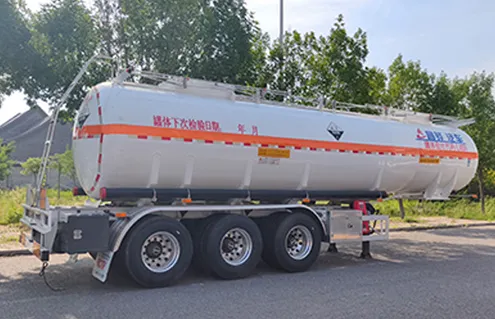
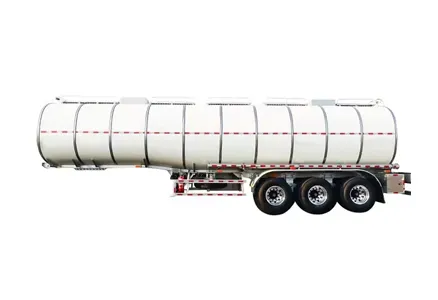
Aluminum alloy has a density only about one-third that of steel. Taking HCSV’s HCH9408GRYJC aluminum alloy flammable liquid tanker semi-trailer as an example, the vehicle’s curb weight is only 6,300 kg, while the tank volume reaches 48 cubic meters, and the compliant rated payload capacity is as high as 33,700 kg. Under China’s strict highway weight limit regulations, lightweight aluminum alloy tank structures can maximize effective payload within legal constraints. Each trip allows several additional tons of methanol to be transported compared with conventional designs. In long-haul trunk transportation and high-frequency shuttle operations, this significantly increases annual revenue for logistics operators. This fundamentally addresses long-standing industry pain points associated with traditional steel tankers, such as excessive self-weight, low cargo capacity, and high operating costs.
Compared with austenitic stainless-steel tank structures, aluminum alloy offers not only a significant advantage in lightweight performance, but also superior formability and processing characteristics. Its welding integrity and sealing performance are stronger, while the one-piece tank forming process effectively reduces the risk of leakage at weld seams. Compared with conventional carbon steel tanks, aluminum alloy demonstrates far superior corrosion resistance and anti-aging performance, effectively eliminating medium leakage and safety incidents caused by corrosion or structural degradation. This makes it ideally suited to the specialized transportation requirements of methanol. HCSV strictly selects hazardous-chemical-grade aluminum alloy plates dedicated to transport applications, ensuring quality control from the source of raw materials. This approach eliminates risks associated with substandard aluminum materials—such as insufficient strength, poor deformation resistance, and weak corrosion resistance—thereby establishing a solid material foundation for methanol transportation safety.
Scientific Structural Optimization: Comprehensive Enhancement of Driving Stability and Sealing Performance
A scientifically designed tank structure is critical to ensuring driving stability and mitigating the risks caused by liquid surge. Methanol has a density of approximately 0.79 g/cm³. Although relatively low in density, when fully loaded it generates significant inertial impact forces. During vehicle acceleration, braking, turning, and operation on rough road conditions, liquid sloshing inside the tank can create strong lateral and longitudinal impact forces. These forces may easily lead to rollover risks, as well as tank deformation or cracking. In response, HCSV’s methanol aluminum tanker for sale follows strict hazardous material transportation safety standards and has been comprehensively optimized to achieve full-dimensional structural upgrades.
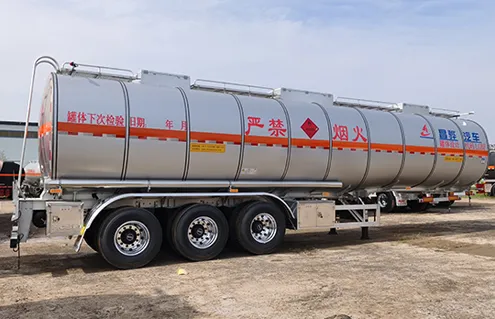
Multiple reinforced anti-surge baffles are installed inside the tank, scientifically dividing the internal space. This design effectively buffers and disperses the inertial impact of the liquid, reduces sloshing amplitude, and significantly improves vehicle driving stability, thereby mitigating rollover risks. Both ends of the tank adopt elliptical heads with higher pressure-bearing performance, replacing traditional flat-head structures. This design ensures more uniform stress distribution, enhances resistance to impact and deformation, and reduces the risk of head cracking and leakage. The vehicle also features a gooseneck tank structure, which optimizes the overall center-of-gravity layout. With a lower center of gravity and improved driving stability, it is well-suited for multiple operating scenarios, including high-speed trunk roads, mountainous routes, and complex urban–rural transportation conditions. In addition, tank weld seams are produced using automated precision welding technology. Both sealing integrity and pressure-bearing capacity meet the highest national standards for hazardous chemical transportation equipment, effectively eliminating medium leakage risks and ensuring fully sealed and safe transportation throughout the entire operation.
Multi-Layer Safety Protection: Standardized High-End Configurations to Build a Strong Safety Baseline for Transportation
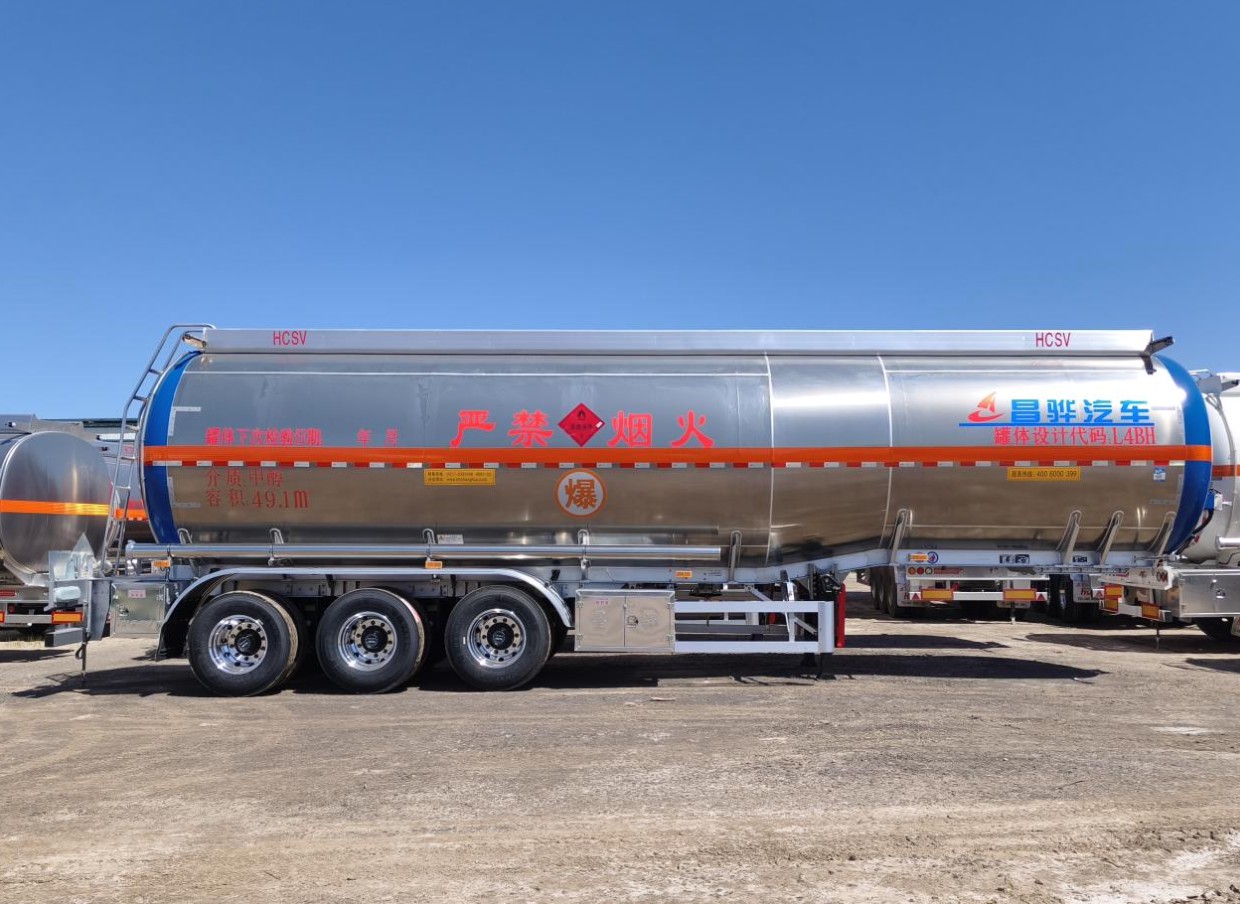
Safety configuration represents an uncompromising baseline for methanol tanker semi-trailers. In response to methanol’s hazardous characteristics—high flammability, explosiveness, and toxicity—HCSV’s aluminum alloy methanol tanker semi-trailer strictly complies with China’s mandatory standards, including the Safety Technical Conditions for Vehicles Carrying Dangerous Goods. The vehicle achieves full standardization and systematization of core safety configurations, forming multiple protective barriers that ensure comprehensive coverage of leakage control, static electricity elimination, overpressure protection, and emergency response capabilities.
The emergency shut-off valve (bottom valve), a core safety device for flammable liquid tankers, is standard across all HCSV vehicle models. It features dual activation modes—automatic and manual. In the event of pipeline rupture, abnormal tank leakage, or collision accidents, the system can rapidly shut off the fluid line, preventing large-scale methanol leakage and effectively mitigating fire, explosion, and poisoning risks at the source. In terms of anti-static protection, the vehicle is equipped with a dedicated conductive rubber grounding strap, which continuously discharges static electricity generated by high-speed methanol flow into the ground. At the same time, the electrostatic grounding connection between the tank body and chassis is structurally optimized to eliminate static accumulation and prevent ignition caused by electrostatic sparks. The pressure relief system adopts a dual protection design combining a full-lift safety valve and a rupture disc. The safety valve set pressure is strictly matched to the tank’s design pressure. When internal pressure exceeds the limit, automatic pressure relief is activated. The venting pipeline is scientifically arranged away from operator areas, effectively eliminating the risk of overpressure-induced explosions.
In terms of emergency response and fire-fighting equipment, each aluminum alloy methanol tanker semi-trailer is equipped as standard with at least two 6 kg ABC dry powder fire extinguishers, as well as alcohol-resistant foam extinguishing agents. The vehicle is also provided with a complete set of emergency response supplies, including methanol-specific leakage plugging tools, nitrile rubber corrosion-resistant gloves, gas masks, chemical protective boots, and emergency parking warning devices. These configurations comprehensively cover a wide range of emergency scenarios, including medium leakage, fire incidents, personnel poisoning, and sudden accidents, ensuring driver safety while effectively reducing the risk of secondary accident escalation. In addition, the vehicle is equipped with an EBS electronic braking system, delivering faster braking response and improved braking stability. The side protection structure is made of lightweight aluminum alloy, while the rear protection system adopts high-strength carbon steel welded construction. The overall protective structure is robust and reliable, fully compliant with FL-type Class 3 flammable liquid transport vehicle standards, ensuring maximum safety performance.
Comprehensive Value Upgrade: Enabling Cost Reduction, Efficiency Improvement, and Compliant Operations for Transport Enterprises
From an operational value perspective, HCSV’s aluminum alloy methanol semi tanker trailer achieves a unified balance of four core values: safety, compliance, efficiency, and cost reduction. In terms of safety, corrosion-resistant materials, structural stability, and multiple safety configurations fundamentally mitigate major risks such as leakage, fire and explosion, and poisoning, thereby reducing accident probability and associated losses. From a compliance standpoint, the lightweight design, full safety configuration package, and complete certification portfolio fully meet national hazardous chemical transportation regulations, helping operators avoid penalties related to overloading and non-compliance. In terms of efficiency, increased payload capacity and enhanced vehicle stability make the vehicle well-suited for long-haul trunk transportation, reducing trip frequency and improving overall operational turnover efficiency. From a cost perspective, the aluminum alloy tank structure offers a longer service life and lower maintenance costs. Higher payload capacity directly increases revenue per trip, while reduced risks of static electricity and leakage help lower cargo loss. As a result, overall operating costs are significantly reduced, delivering sustained and stable long-term value for transportation enterprises.
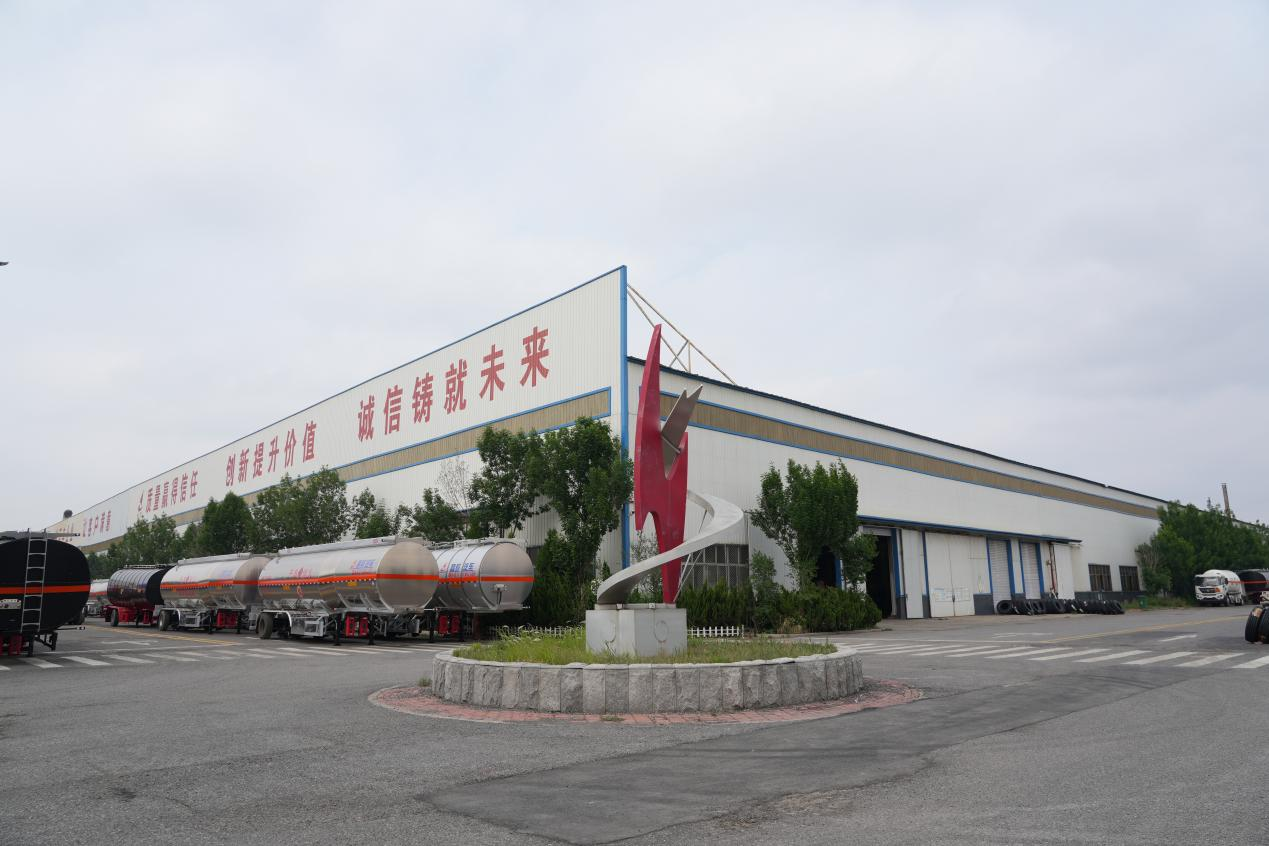
At present, China’s hazardous chemical transportation industry is accelerating its transformation toward standardization, green development, intelligent systems, and lightweight design. The government continues to introduce policies to strengthen safety supervision of hazardous goods transportation, phase out outdated and aging transport equipment, and encourage the development of lightweight, high-safety, and environmentally friendly specialized vehicles. As a new clean fuel and key chemical raw material, methanol continues to experience expanding market demand, creating broad growth opportunities for aluminum alloy methanol tanker semi-trailers. HCSV, with more than 30 years of dedicated experience in specialized vehicle manufacturing, is headquartered in Huanghua, Hebei Province. The company operates a professional team of over 1,000 employees, a 530,000-square-meter production base, and eight specialized production lines. It has been recognized as a National High-Tech Enterprise and a Provincial "Specialized, Refined, Unique and Innovative (SRUI)" SME, and holds over 100 patented technologies. With complete qualifications in the design and manufacturing of special equipment, as well as certifications including ISO 9001 Quality Management System and European standards compliance, HCSV continues to achieve breakthroughs in the field of hazardous chemical transportation equipment, driven by strong R&D capabilities, mature manufacturing processes, and a rigorous quality control system.
Facing both development opportunities and safety challenges in the methanol transportation industry, HCSV continues to align its product strategy with market demand. The company consistently optimizes the performance of its aluminum alloy methanol tanker semi-trailers, offering customized vehicle solutions tailored to different operating scenarios, including ambient-temperature methanol transportation, long-distance trunk logistics, and multi-medium compatibility. From tank capacity, structural design, and safety configurations to material selection, HCSV provides fully customized solutions to match user requirements, creating dedicated methanol transportation equipment suitable for diverse working conditions. Looking ahead, HCSV will continue to uphold its development philosophy of "Safety First, Technological Innovation, and Quality Excellence." The company will further increase investment in R&D for hazardous chemical transportation equipment, with a focus on key areas such as lightweight design, corrosion protection technologies, intelligent safety systems, and sealing technologies. It will also continue to drive the technological upgrade of aluminum alloy hazardous chemical tankers. Through continuous innovation, HCSV aims to support the standardized, green, and efficient development of China’s methanol transportation industry, safeguarding hazardous chemical logistics with high-performance equipment and contributing to the high-quality growth of the chemical logistics sector.
 Hebei Changhua Star Vehicle Co.,Ltd.