Asphalt, often referred to as bitumen, is the primary material used for road construction, waterproofing, and roofing. However, transporting asphalt presents a unique logistical challenge: at room temperature, it is a semi-solid or highly viscous substance. To be loaded, transported, and unloaded efficiently, it must be kept at extremely high temperatures, typically ranging from 150°C to 200°C. This requirement has led to the development of the asphalt tank trailer, a specialized vehicle that acts as a mobile, heated reservoir. These vehicles are truly the vital arteries of modern infrastructure, ensuring that hot-mix asphalt can be delivered from refineries or storage terminals directly to construction sites, even across long distances.
Specialized Engineering
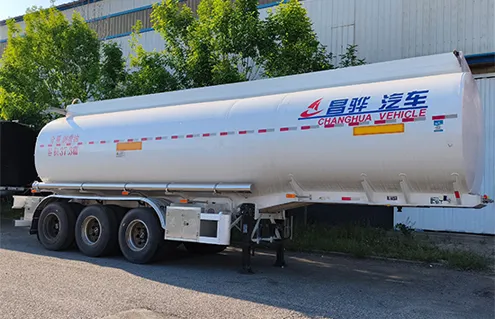
The primary objective of an asphalt tanker is temperature retention. If the bitumen cools down significantly during transit, it will solidify, making it impossible to pump out and potentially damaging the trailer's internal systems. To prevent this, asphalt trailers are designed with a sophisticated insulation system.
The tank usually consists of an inner shell, often made of carbon steel or stainless steel, wrapped in high-performance insulation material such as rock wool or glass wool. This insulation layer is typically 50mm to 100mm thick. To protect the insulation from the elements and physical damage, an outer cladding, usually made of stainless steel, galvanized sheet, or aluminum, is wrapped around the exterior. This multi-layered approach ensures that even in cold weather, the heat loss is kept to a minimum.
Integrated Heating Systems
While high-quality insulation is vital, long-haul journeys or extended waiting times at job sites may require active heating. Modern asphalt tankers are equipped with specialized heating systems to maintain the product's liquid state. There are two primary types of heating methods used:
Direct Heating (Burners): This system uses diesel or gas burners to fire heat into fire tubes that run through the length of the tank. The heat from the tubes is transferred directly to the asphalt.
Thermal Oil Heating: In this configuration, the trailer is equipped with a network of pipes through which hot thermal oil is circulated. This provides a more uniform heat distribution and reduces the risk of coking, overheating the asphalt in contact with the tubes.
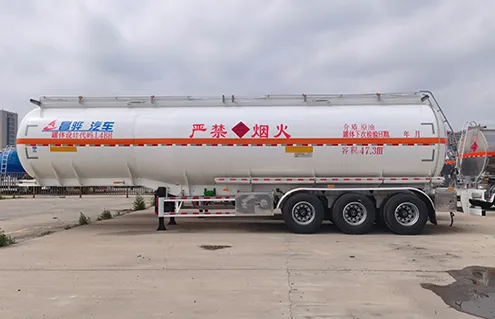
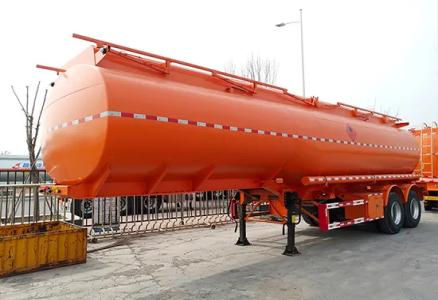
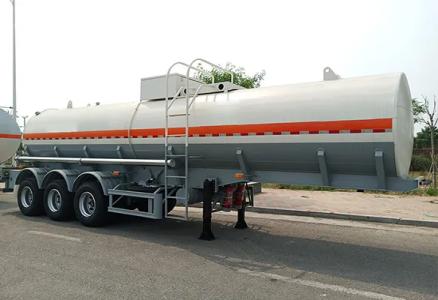
For those looking for high-efficiency transport solutions, the HCSV asphalt tank trailer stands out in the market. HCSV designs their trailers with advanced heating configurations and precision-engineered insulation jackets. Their systems are designed for rapid heating and minimal energy consumption, allowing operators to maintain the perfect temperature with lower operational costs.
Structural Integrity and Safety
Transporting 25 to 30 tons of liquid at 180°C involves significant risks. Consequently, the structural integrity of an asphalt tanker is subject to rigorous standards.
Thermal Expansion Management: Because the tank expands and contracts as it heats and cools, the mounting system between the tank and the chassis must be flexible enough to accommodate this movement without causing structural cracks.
Safety Valves and Monitoring: Every asphalt trailer should be equipped with high-temperature-resistant discharge valves and accurate temperature gauges. These allow the operator to monitor the state of the cargo in real-time. Pressure relief valves are also essential to manage the internal atmosphere of the tank.
Pumping Systems: Most asphalt trailers feature a heavy-duty bitumen pump driven by a hydraulic system or a small diesel engine. These pumps are designed to handle the high viscosity of the liquid and ensure that the tank can be emptied completely, preventing dead volume from hardening inside the vessel.
Impact on Construction Efficiency
The use of high-capacity asphalt tank trailers has revolutionized the road construction industry. Before these trailers became common, asphalt plants had to be located extremely close to the construction site. Now, with the superior heat retention of trailers like those offered by HCSV, the virtual pipeline for hot bitumen can extend for hundreds of miles.
This centralization of asphalt production allows for better quality control at the plant and reduced costs through economies of scale. Furthermore, the ability to deliver large quantities of hot bitumen directly into a distributor truck or a storage tank at the job site ensures that paving crews can work continuously, speeding up the completion of critical highway projects.
The asphalt tank trailer is a mobile piece of industrial equipment that combines thermodynamics with heavy-duty engineering. By maintaining the delicate balance of heat and pressure, these trailers ensure that the materials needed to build our roads are delivered in perfect condition.
Whether it is through superior insulation, advanced heating systems, or robust safety features, tanker trailer suppliers like HCSV are providing the tools necessary to expand the world's infrastructure. As global demand for better roads and more resilient cities continues to grow, the role of the asphalt tanker in the energy and construction supply chain will only become more vital.
 Hebei Changhua Star Vehicle Co.,Ltd.