When purchasing a tanker trailer for fuel, chemicals, or other liquid cargo, one of the most important decisions is choosing the right tank material. Two of the most common options in the industry are aluminum tanker trailers and steel tanker trailers. Each material offers different advantages in terms of weight, durability, corrosion resistance, and cost. Understanding the differences between aluminum and steel tanker trailers can help transportation companies choose the most suitable option for their operational needs.
Tank Materials
The material used in a tanker trailer directly affects several key aspects of its performance, including payload capacity, maintenance requirements, service life, and safety. Tanker trailers are designed to carry liquids that may be heavy, corrosive, or sensitive to contamination, so selecting the right material is essential for long-term efficiency and reliability. Aluminum and steel are widely used in tanker trailer manufacturing because they provide the structural strength required for transporting large volumes of liquid cargo while maintaining safety standards.
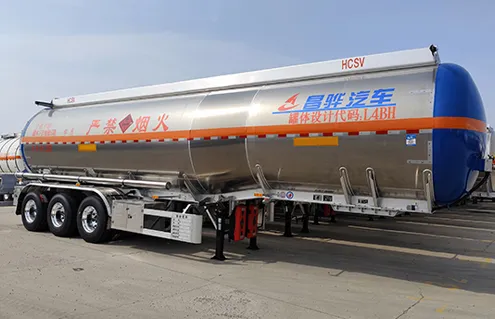
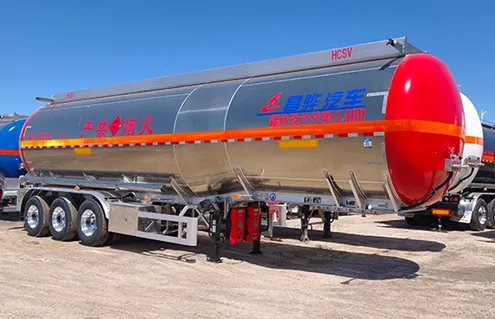
Aluminum Tanker Trailers
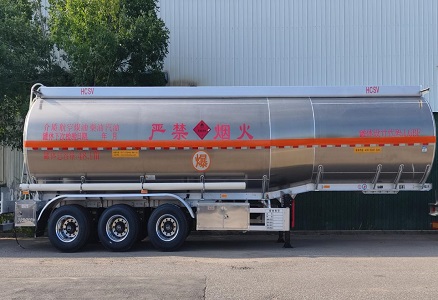
Aluminum tanker trailers are popular in fuel transportation and bulk liquid logistics due to their lightweight construction and corrosion resistance.
Advantages of Aluminum Tanker Trailers
1. Lighter Weight
Aluminum is significantly lighter than steel. Because the tank itself weighs less, aluminum tanker trailers allow operators to carry more cargo within the same legal weight limits. This can improve transport efficiency and reduce the number of trips required for large deliveries.
2. Excellent Corrosion Resistance
Aluminum naturally resists rust and corrosion. This makes aluminum tanker trailers particularly suitable for transporting petroleum products such as gasoline and diesel.
3. Lower Long-Term Maintenance
Because aluminum does not rust like carbon steel, maintenance requirements can be lower over time. Operators often experience fewer issues related to corrosion or structural degradation.
Typical Applications
Aluminum tanker trailers are commonly used for:
Fuel transportation
Petroleum distribution
Long-distance logistics
Bulk liquid transport
HCSV provide specialized aluminum tanker trailer designs that focus on lightweight construction and efficient fuel transportation.
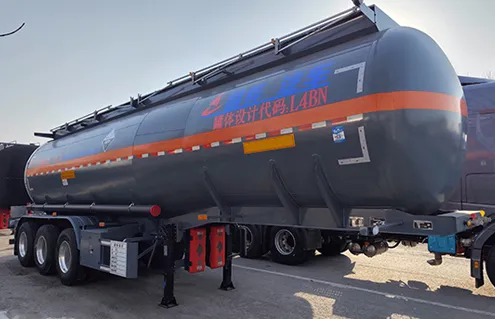
Steel Tanker Trailers
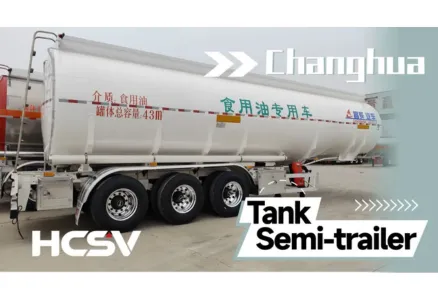
Steel tanker trailers are widely used for transporting chemicals, food-grade liquids, and other materials that require higher structural strength or specific hygiene standards.
Advantages of Steel Tanker Trailers
1. High Strength and Durability
Steel tanker trailers are known for their strong structural integrity. They are capable of withstanding heavy loads, high pressure, and demanding operating conditions.
2. Suitable for Hazardous or Specialized Cargo
Many chemical products require tanks made from corrosion-resistant materials. These tanks can safely transport substances that might react with other materials.
3. Hygienic Properties
Steel tanker trailers are often used in the food and beverage industry because the material is easy to clean and resistant to contamination.
Typical Applications
Steel tanker trailers are commonly used for:
Chemical transport
Food-grade liquid transport
Industrial liquid logistics
Hazardous materials transportation
Key Differences
Although both materials are widely used, aluminum and steel tanker trailers serve slightly different purposes.
| Feature | Aluminum Tanker Trailer | Steel Tanker Trailer |
| Weight | Lighter | Heavier |
| Payload Capacity | Higher potential payload | Slightly lower payload |
| Corrosion Resistance | Excellent for fuel transport | Excellent for chemicals and food |
| Strength | Good structural strength | Very high strength |
| Maintenance | Lower maintenance | Moderate maintenance |
| Typical Use | Fuel and petroleum transport | Chemical or food-grade liquids |
As the table shows, aluminum tanker trailers are often preferred for fuel logistics and long-distance transport, while steel tanker trailers are commonly chosen for chemical and specialized liquid transport.
Which Tanker Trailer is the Right Choice?
The best tanker trailer material depends largely on the specific application. When making a decision, companies should consider several factors:
Type of liquid being transported
Required payload capacity
Corrosion resistance requirements
Regulatory standards
Operating environment
For example, companies involved in fuel distribution may prioritize lighter weight and higher payload capacity, making aluminum tanker trailers a strong choice. On the other hand, businesses transporting chemicals or food products may prefer the durability and hygiene benefits of steel tanks.
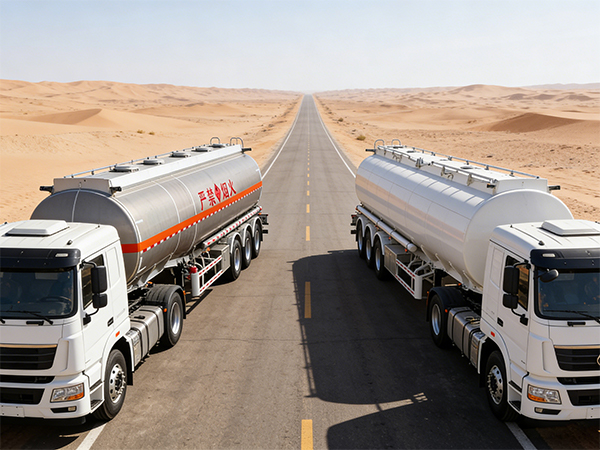
Both aluminum and steel tanker trailers offer unique advantages for liquid transportation. Aluminum tanker trailers provide lighter weight and improved fuel efficiency, making them ideal for petroleum logistics and long-distance transport. Steel tanker trailers, however, deliver superior strength and corrosion resistance, which is essential for chemical and food-grade applications.
By understanding the differences between these materials, businesses can select the tanker trailer that best fits their operational requirements and long-term transportation goals. For companies seeking reliable tanker trailer solutions, manufacturers like HCSV offer both aluminum and steel tanker trailer models designed for safety, durability, and efficient liquid transport across a wide range of industries.

 Hebei Changhua Star Vehicle Co.,Ltd.