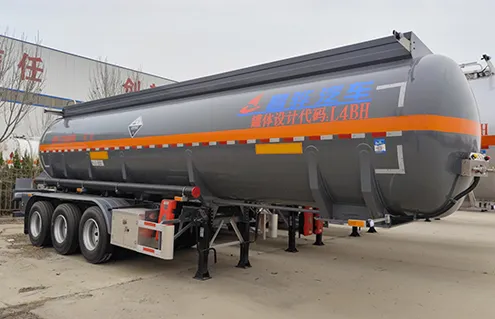
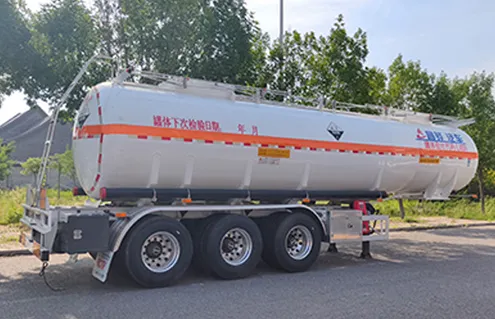
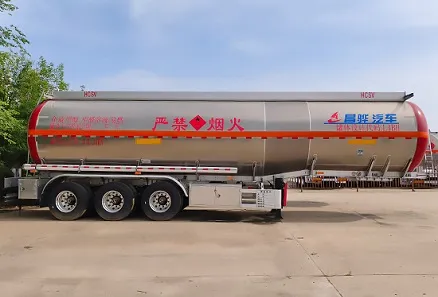
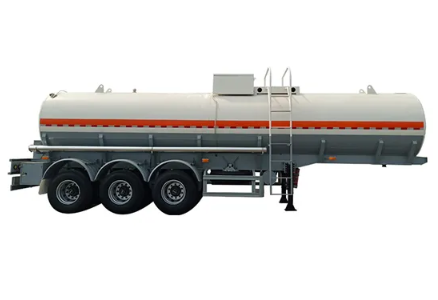
Hebei Changhua Star Vehicle Co., Ltd. has launched the HCSV HCH9406GYW32 tank semi-trailer, developed specifically for the road transport of Class 5.1 oxidizing substances. The model addresses the main operating risks associated with these media, including corrosion, thermal instability and leakage. Its tank materials, pressure controls and transport safeguards are configured for oxidizer service. The vehicle is designed to meet the relevant Chinese national standards for hazardous chemical transport, giving chemical logistics operators a dedicated solution that balances compliance with operating efficiency.
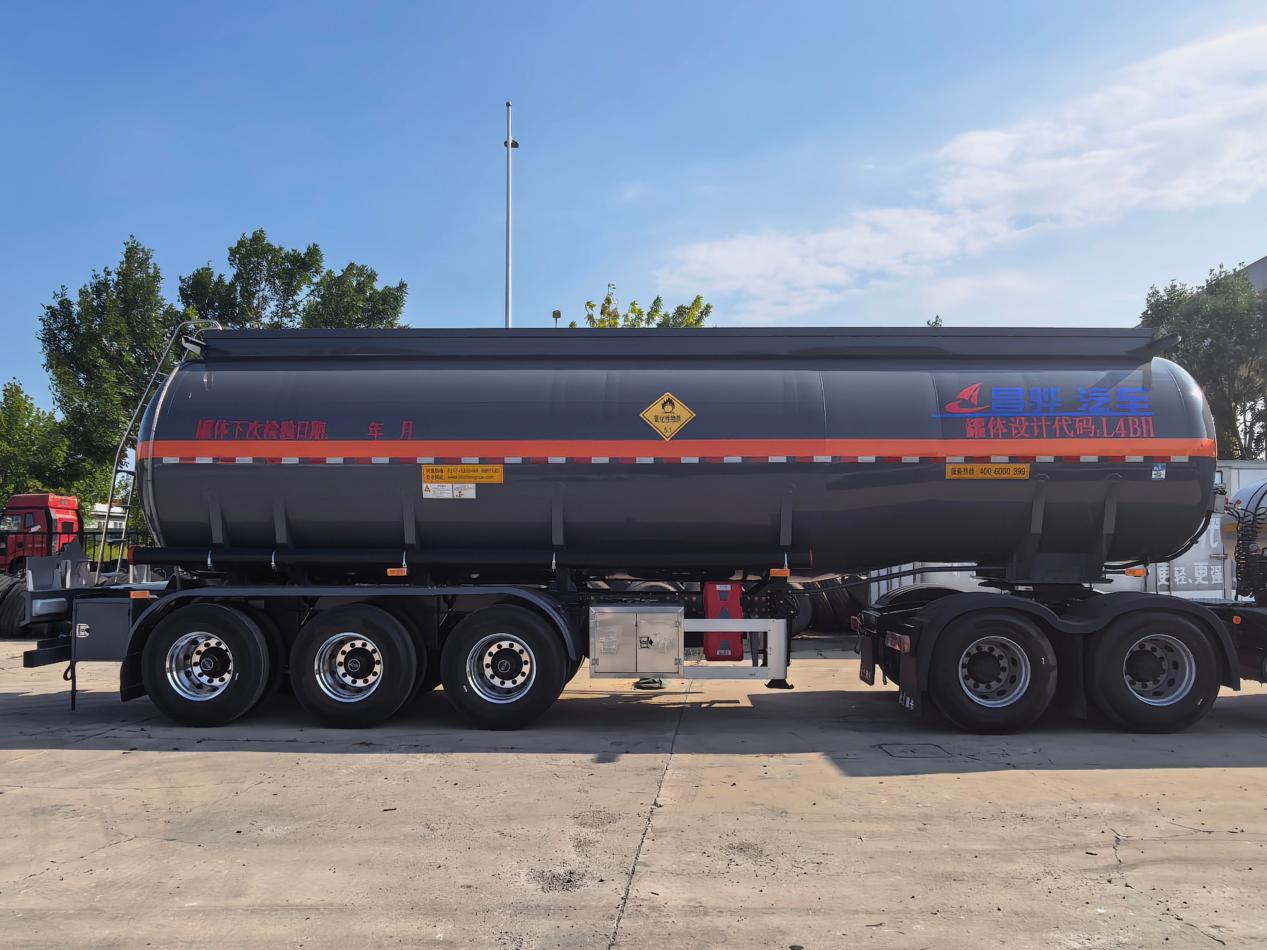
Safety and Compliance Challenges in Class 5.1 Oxidizer Transport
Class 5.1 oxidizing substances remain a major focus of road dangerous-goods regulation and a demanding cargo category for fleet operators. These substances do not necessarily burn themselves, but they can release oxygen and cause other materials to ignite or burn more intensely. Common liquid cargoes include hydrogen peroxide, sodium hypochlorite solution, nitric acid solution and potassium permanganate solution. Their transport involves four primary risks.
· Oxidizing and corrosive action. The cargo may react with metals and organic materials, so compatibility between the medium, tank and lining is critical.
· Thermal instability. Some oxidizers decompose and release oxygen at elevated temperatures, which can cause abnormal pressure increases inside the tank.
· Consequences of leakage. Released material can start a fire after contacting combustible substances, and such incidents can be difficult to control.
· Static electricity. Friction generated by moving liquid can accumulate static charge, and a discharge may ignite nearby combustible material.
As China's chemical logistics market develops and hazardous-material transport rules become more detailed, general-purpose tankers used for mixed oxidizer cargoes can no longer satisfy current regulatory requirements. Dedicated transport equipment has therefore become a practical requirement for compliant operation.
Tank Design for Oxidizing Substances
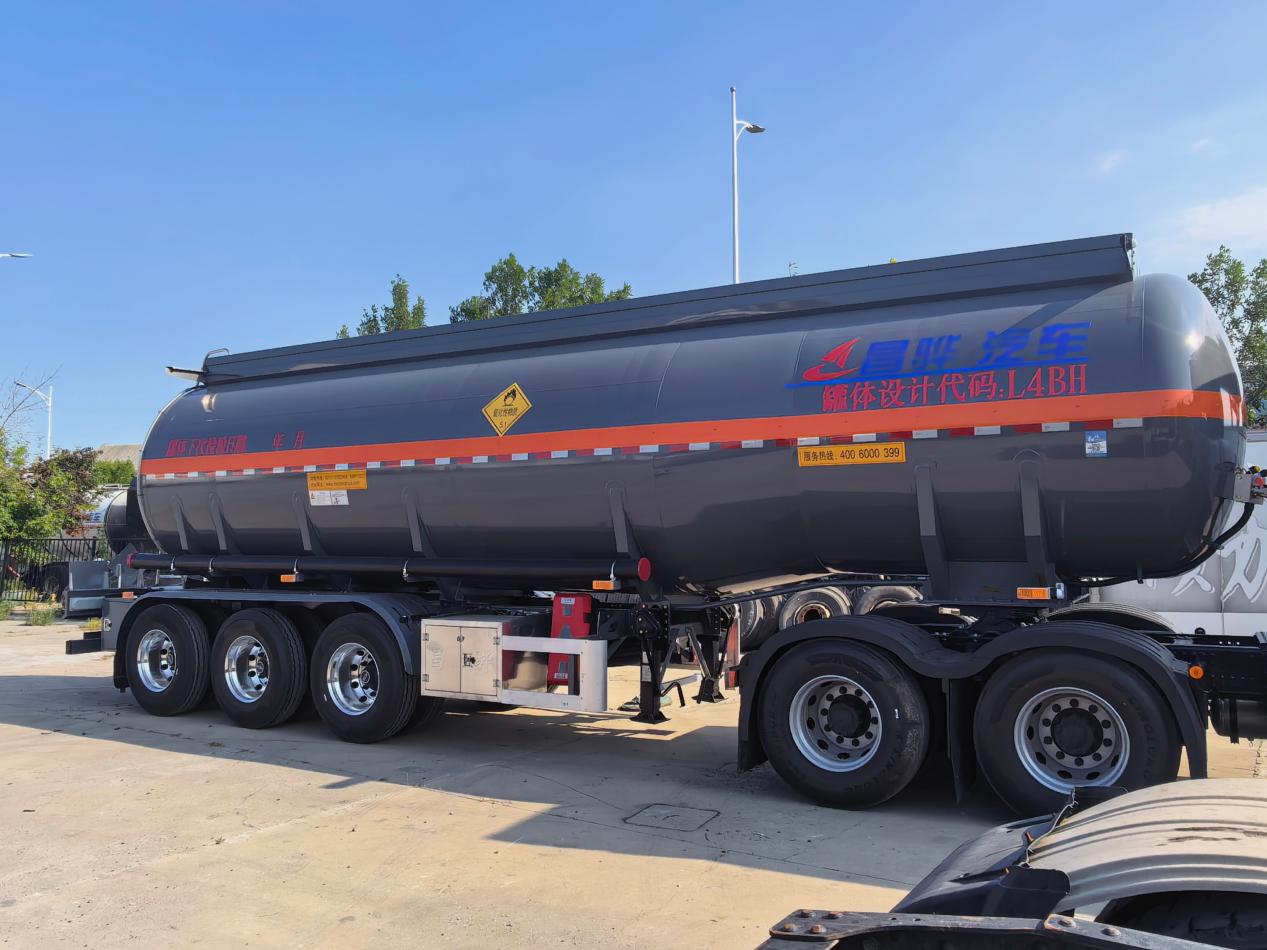
The HCH9406GYW32 uses a dual-protection tank concept combining an austenitic stainless-steel base material with a specialist lining process. The structure, material selection, pressure management and temperature-control provisions are configured around the chemical properties of oxidizing cargoes.
The tank is made from high-quality austenitic stainless-steel plate. Shell and head thicknesses are checked through mechanical calculations and corrosion-allowance verification to meet the strength requirements for atmospheric-pressure metal tankers in GB 18564.1. Material compatibility is a central consideration for any stainless steel tanker trailer used for oxidizing media. The inner surface is passivated and polished to reduce retained cargo and the available reaction surface, helping limit scaling and localized corrosion.
The tank has an oval cross-section that distributes stress evenly and is designed to resist deformation more effectively than a conventional circular section. Internal anti-surge baffles reduce the impact of liquid movement while the vehicle is in motion and improve driving stability. A single-compartment layout prevents cross-contamination between compartments and suits transport operations dedicated to one oxidizing medium.
Because some oxidizing substances release gas as their temperature rises, the vehicle uses two pressure-control devices. A breather valve at the top of the tank maintains slight positive pressure and limits the entry of outside air. A safety valve opens automatically at its set pressure to relieve an overpressure condition. Thermal protection reduces heat gain from direct sunlight and slows cargo decomposition. An optional temperature-monitoring device can provide real-time overtemperature warnings.
Three Layers of Transport Protection
The HCH9406GYW32 combines inherent design measures, emergency equipment and standardized warnings to address leakage, overpressure, static electricity and ignition risks throughout the transport process.
Leak Prevention
The bottom loading and unloading system includes a pneumatic emergency shut-off valve with a fail-close function. If a pipeline ruptures or the air supply is interrupted, the valve closes automatically to limit a major release. An optional speed interlock can sound an alarm and force the discharge valve closed when vehicle speed exceeds 5 km/h.
Valves, flanges and the manhole use seals selected for resistance to oxidizing and corrosive media. The eight-lug manhole cover has a locking mechanism and pressure-relief function, supporting dependable sealing while keeping inspection access straightforward.
Emergency Equipment
The standard configuration includes at least two dry-powder fire extinguishers mounted in accessible positions on both sides of the vehicle. A rear emergency box contains emergency controls and tools. A spill-collection device can contain a small release and reduce the spread of the transported medium.
Hazard Markings and Structural Protection
Orange reflective tape and oxidizer hazard placards complying with GB 13392 are applied around the vehicle for visibility at night. The tank side identifies the medium, its category and emergency-response precautions. High-strength front, rear and side guards help protect critical tank areas in a collision.
Operating Benefits for Chemical Logistics
The HCH9406GYW32 also addresses payload efficiency, documentation and route compatibility while maintaining the strength and corrosion allowance required for oxidizing-substance transport.
Payload Efficiency
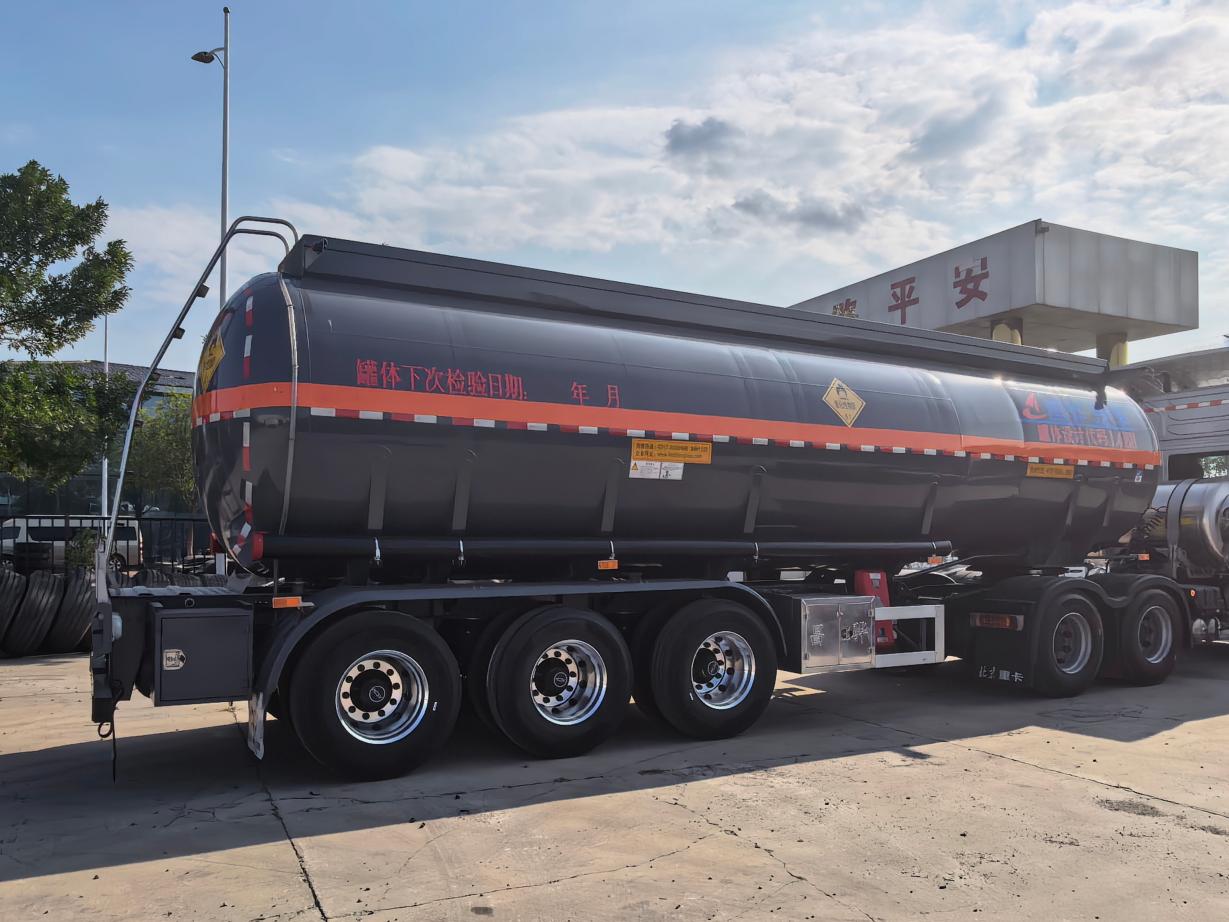
HCSV controls curb weight through structural optimization and upgraded materials without reducing the required safety strength or corrosion allowance. Compared with similar oxidizing-substance tankers, the resulting configuration offers a payload-efficiency advantage that can improve earning potential per trip.
Compliance Documentation
The vehicle complies with Chinese national standards including GB 18564.1-2019 and GB 21668 and has passed compulsory product certification. Each tank leaves the factory with a quality certificate, a nondestructive-testing report and a pressure-test report. Its design service life meets regulatory requirements, and clearly arranged periodic-inspection connections support later tank inspections and annual vehicle reviews.
Operating Scenarios and Loading Interfaces
This dedicated chemical tanker trailer can be used for short-haul movements inside chemical parks, urban distribution and interregional trunk transport. Standardized loading and unloading connections are compatible with commonly used facilities at chemical storage terminals. The chassis and suspension can be configured for different road conditions to maintain vehicle stability and cargo security on complex routes.
Purpose Built Equipment for Regulated Transport
The hazardous-chemical transport sector is moving more quickly toward dedicated vehicles, compliant operation and tighter risk control. Mixed loading of oxidizing media in general-purpose tankers is becoming increasingly difficult to sustain under this operating environment.
The HCSV HCH9406GYW32 is configured around the characteristics of Class 5.1 oxidizing substances, from material selection and tank structure to pressure controls and safety equipment. It meets current regulatory requirements while accounting for the operating-efficiency needs of chemical logistics companies. For carriers specializing in Class 5.1 cargoes, selecting a tanker that is compatible with the medium is a basic compliance requirement and an important part of long-term safety management.
HCSV will continue to develop vehicles for specialized hazardous-chemical transport applications and refine its product technology to support safer, compliant and more efficient chemical logistics operations.
 Hebei Changhua Star Vehicle Co.,Ltd.