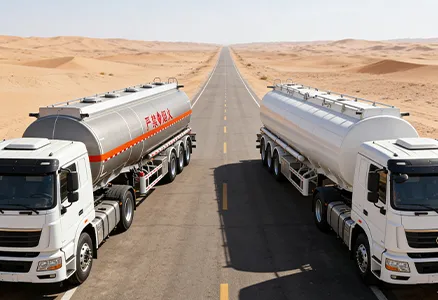
The transportation of hazardous chemicals is one of the most demanding sectors in the global logistics industry. Among these materials, industrial acids, such as sulphuric acid, hydrochloric acid, and phosphoric acid, present unique challenges due to their highly corrosive nature and high density. To move these substances safely from chemical plants to industrial sites, specialized equipment is required. This is where the acid tanker trailer plays a vital role.
Unlike standard fuel tankers, acid tankers are engineered with a focus on chemical compatibility, structural integrity, and advanced safety systems to prevent leaks that could lead to environmental disasters or human injury.
Material Selection
The most critical factor in designing an acid tanker trailer is the material of the tank shell. The choice usually falls between high-grade stainless steel and lined carbon steel.
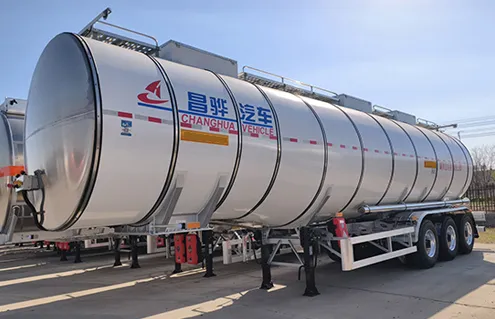
Stainless Steel (316L or 304): This is the gold standard for many chemicals. Stainless steel provides excellent resistance to corrosion for a wide range of acidic products and is easy to clean, making it suitable for trailers that may carry different types of chemicals over time.
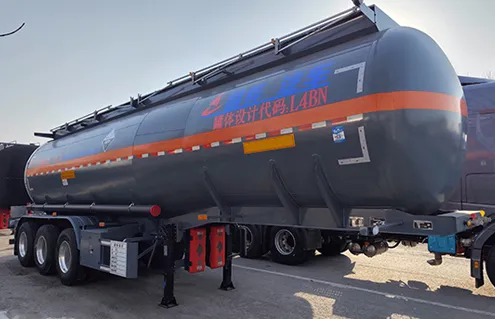
Carbon Steel with PE/LLDPE Lining: For highly aggressive acids like hydrochloric acid (HCl), even stainless steel can be compromised. In these cases, a carbon steel tank is used as the structural shell, but the interior is lined with a thick layer of polyethylene (PE). This plastic lining acts as a total barrier between the liquid and the metal.
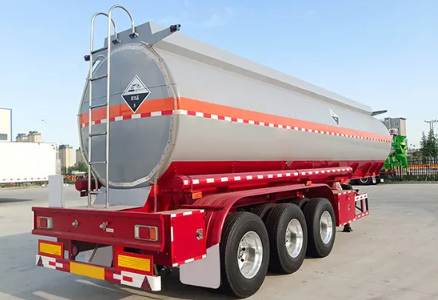
For companies seeking reliable and customized options, the HCSV chemical tank trailer offers a range of configurations. These trailers are built using advanced anti-corrosion materials and specialized welding techniques to ensure that the tank remains hermetically sealed throughout its service life.
Structural Design and Weight Management
Acids are significantly denser than water or petroleum. For example, concentrated sulphuric acid is nearly twice as heavy as gasoline. This high density means that a full acid tanker will reach legal weight limits much faster than a fuel tanker.
The structural design must account for this weight. Acid tankers often have a smaller volume than fuel trailers to prevent overloading. Furthermore, they are frequently designed with a V-shape or a circular cross-section to facilitate complete drainage during unloading. A low center of gravity is also essential to maintain stability, especially given the surge effect of heavy liquids during transit.
Safety Features
When transporting corrosive substances, safety is a regulatory requirement. Modern chemical trailers incorporate several layers of protection:
Internal Baffles: These are internal walls with holes that allow liquid to pass through slowly. They are crucial for reducing the sloshing of heavy acid, which can otherwise cause the trailer to push the truck during braking or lead to a rollover during turns.
Top and Bottom Discharge Systems: Depending on the toxicity of the acid, operators may choose a top-discharge system. This utilizes air pressure to push the acid out through a pipe at the top of the tank, minimizing the risk of a leak from a bottom-mounted valve.
Emergency Shut-off Valves: These are designed to close automatically in the event of an accident or if the loading hose is severed.
Corrosion-Resistant Components: Every valve, seal, and gasket in an HCSV chemical tank trailer is selected for its chemical resistance. Using Fluorine-lined valves or specialized Teflon seals ensures that even the smallest components can withstand constant exposure to corrosive fumes.
Loading and Operational Protocols
Operating an acid tanker requires specialized training. Beyond the vehicle’s design, the virtual pipeline of chemical logistics relies on strict protocols. Before loading, the tank must be inspected for any signs of lining degradation or stress cracks. During transit, drivers must be aware of the unique handling characteristics of heavy chemical loads.
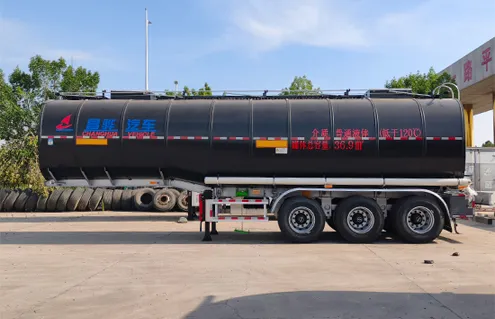
Furthermore, the external environment must be considered. Some acids are sensitive to temperature changes. For specialized applications, acid tankers may be equipped with heating or cooling coils to maintain the product at a specific temperature, preventing it from crystallizing or becoming overly reactive.
Quality Engineering
Choosing an acid tanker based solely on price is a dangerous strategy. The long-term cost of maintenance, combined with the catastrophic potential of a chemical spill, makes equipment quality the primary concern. High-quality manufacturers focus on the precision of the welding seams, often the most vulnerable point for corrosion, and use professional X-ray flaw detection to ensure every tank meets international safety standards.
The reliability of a chemical fleet directly impacts a company's reputation and bottom line. By investing in trailers that utilize superior anti-corrosive linings and robust chassis designs, operators can ensure that their hazardous cargo reaches its destination without incident.
The acid tanker trailer is a marvel of specialized engineering. It must be strong enough to carry heavy loads, resilient enough to withstand constant chemical attack, and sophisticated enough to protect the driver and the environment. Through the careful selection of materials like stainless steel or PE linings and the integration of advanced safety valves, tanker trailer manufacturers such as HCSV are enabling the safe and efficient movement of the chemicals that power modern industry. In the high-stakes world of chemical transport, there is no substitute for precision engineering and a commitment to safety.
 Hebei Changhua Star Vehicle Co.,Ltd.