Liquid oxygen transportation carries extremely high operational risks, and reliable safety‑engineering design is critical for hazard mitigation.
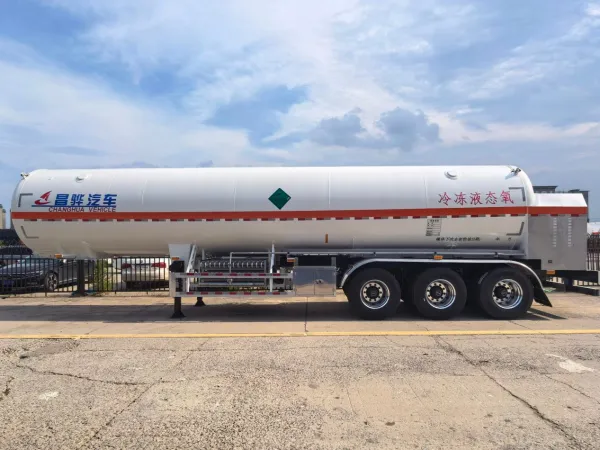
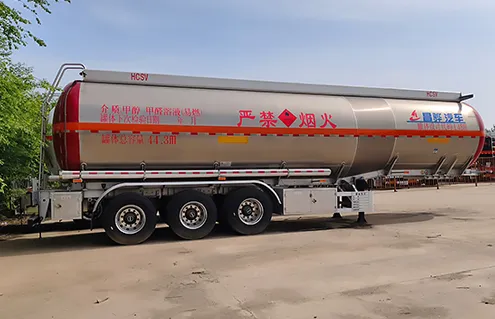
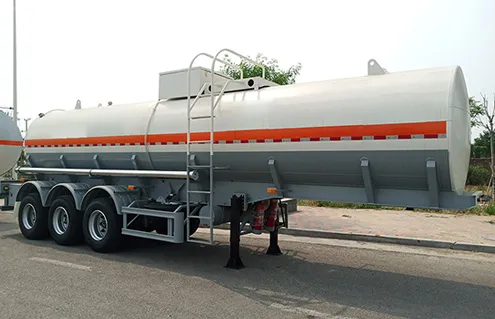
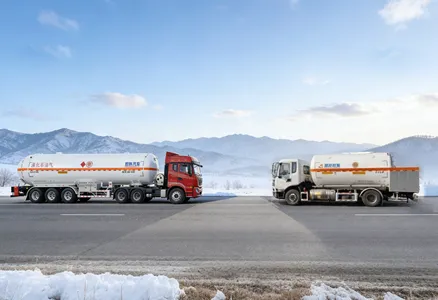
With a boiling point as low as ‑183 °C, liquid oxygen poses multiple safety hazards including cryogenic frostbite, strong oxidizing combustion‑supporting effect and over‑pressure explosion. The safety performance of transport equipment directly defines the risk baseline for on‑site operations. The Changhua HCH9401GDYB cryogenic‑liquid transport semi‑trailer is a widely‑deployed liquid‑oxygen transport model in China. The complete vehicle is built with a comprehensive safety‑protection system covering tank construction and pressure regulation. Targeted at industry practitioners, this article breaks down the core design philosophy of this model.
Double‑Layer Tank Structure: Foundation for Cryogenic‑Condition Protection
The tank constitutes the safety core of a liquid‑oxygen tanker. This semi‑trailer adopts a proven double‑layer structure consisting of inner vessel, vacuum interlayer and outer shell, specially engineered for cryogenic service conditions.
The inner vessel is fabricated from S30458 austenitic stainless steel, which maintains stable toughness at temperatures as low as ‑196 °C and prevents low‑temperature brittle fracture. The material features stable chemical properties and will not react with liquid oxygen. All welded joints undergo 100‑percent radiographic testing to mitigate leakage risks at the source.
The outer shell is made of high‑strength carbon steel. It bears vacuum negative pressure and dynamic loads generated during vehicle travel while providing physical protection for the inner vessel. Anti‑corrosion coating is applied to the outer‑shell surface to resist corrosive damage from external environments.
A high‑vacuum multi‑layer thermal‑insulation structure is arranged between inner and outer vessels. Composite insulation materials of aluminium foil and glass‑fiber paper fill the interlayer cavity, which is evacuated to high vacuum. Superior vacuum performance reduces liquid‑oxygen evaporation loss. A very low daily evaporation rate slows pressure build‑up caused by vaporization inside the tank, fundamentally restraining rapid pressure rise within the vessel.
Pressure‑Control System: Firmly Safeguard Against Over‑pressure Risks
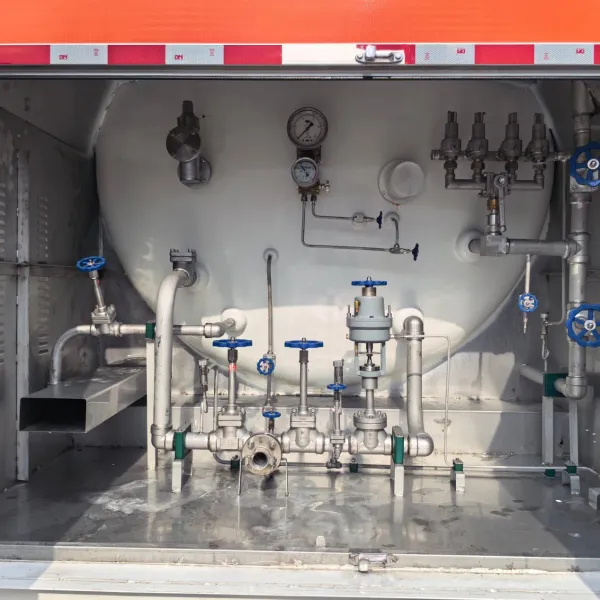
During storage and transportation, liquid oxygen inevitably absorbs external heat and vaporizes, resulting in rising tank pressure. The Changhua HCH9401GDYB has a design pressure of 1.6 MPa and is equipped with multi‑stage pressure‑protection mechanisms.
Cryogenic spring‑loaded safety valves serve as the primary over‑pressure protection devices. They pop open automatically for pressure relief once internal tank pressure reaches the preset threshold and reseat as pressure falls back within safe ranges. Relief capacity is verified in compliance with relevant standards. Safety valves shall be periodically calibrated per regulations. Continuous frost formation on the valve body generally indicates internal leakage at sealing surfaces and calls for timely maintenance.
The pressure‑boosting & pressure‑regulating system balances driving safety and unloading efficiency: the pressure‑boosting valve remains closed during transit to keep low internal tank pressure. For unloading operations, the pressure‑boosting vaporizer moderately raises tank pressure while the pressure‑regulating valve delivers precise pressure control for stable unloading procedures.
Manual vent piping is also fitted for manual pressure relief under static conditions, acting as backup protection for automatic safety devices.
Stringent Qualification Requirements: Solid Competence for Special‑Equipment Manufacturing
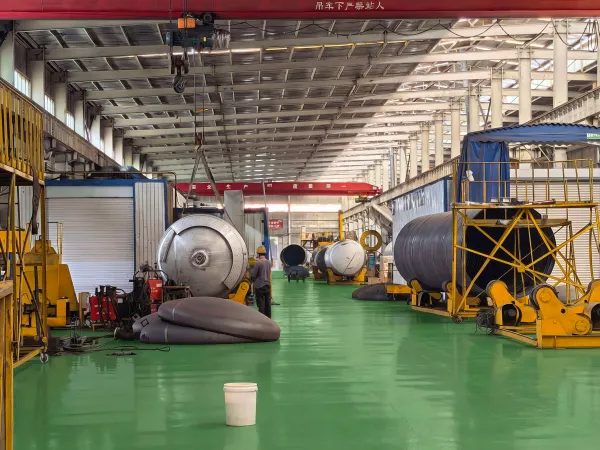
Mobile cryogenic pressure vessels fall under special‑equipment categories with extremely demanding manufacturing thresholds. Manufacturers must hold special‑equipment manufacturing licenses issued by national regulatory authorities. Strict controls apply to key procedures including cryogenic‑material selection, automatic welding processes, vacuum‑insulation encapsulation and full‑scope non‑destructive testing of welds. Upon tank completion, multiple type tests such as hydrostatic test, air‑tightness test and cryogenic cycling test must be performed. Only a handful of manufacturers possess full independent R&D capability and large‑scale mass‑production capacity.
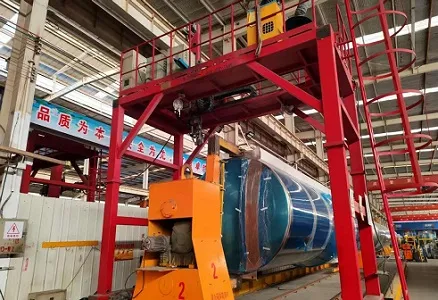
Hebei Changhua is a leading Chinese special‑purpose‑vehicle manufacturer holding A2‑grade fixed‑pressure‑vessel and C2‑grade mobile‑pressure‑vessel manufacturing qualifications. The company operates dedicated automatic production lines for pressure vessels, supported by complete non‑destructive testing and type‑test capabilities. With over two decades of experience in cryogenic‑tanker manufacturing and profound technical accumulation, Changhua is one of the few industry suppliers covering the full chain from design and manufacturing through inspection.
Conclusion
Safety in cryogenic transportation relies partly on well‑engineered hardware and partly on standardized daily operation. The Changhua HCH9401GDYB strictly complies with national pressure‑vessel standards and mobile‑tanker supervision codes. Mature technical solutions guarantee safe road transportation of liquid oxygen.
Adhering to the development philosophy of “Build the Changhua brand; Forge a century‑old enterprise”, Hebei Changhua focuses on the special‑purpose‑vehicle sector and prioritizes safety in product R&D. Together with industry practitioners, the company strives to uphold the safety baseline for hazardous‑goods transportation.
 Hebei Changhua Star Vehicle Co.,Ltd.