Propylene is a highly flammable gas that is normally transported as a liquefied gas under pressure. Trace moisture, sulfur compounds and other impurities in industrial propylene may contribute to corrosion inside the tank. During frequent long-distance service, aging materials, corrosion and loss of containment can affect both transport safety and fleet availability.
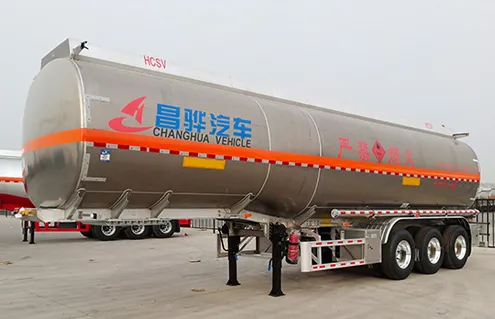
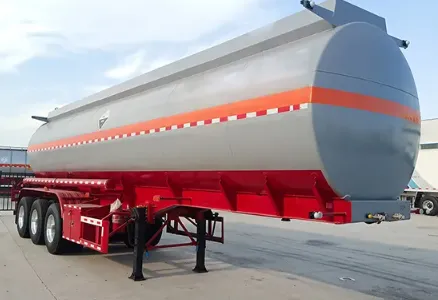
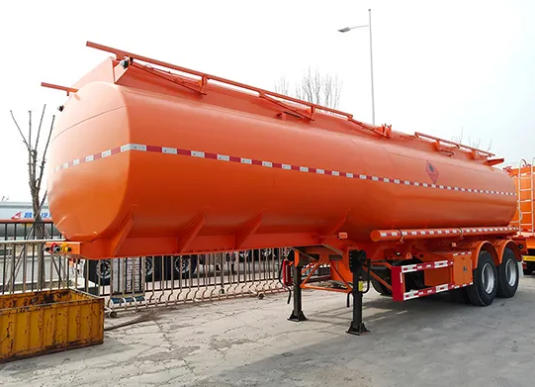
As a specialist manufacturer of tanks for hazardous-material transport, Hebei Changhua Star Vehicle Co., Ltd. (HCSV) has studied the properties of propylene as well as the demanding road and climate conditions encountered during cross-regional transport. HCSV-developed propylene tank trailers feature targeted improvements in material selection, structural design, corrosion protection and leak-prevention systems. These improvements help reduce common risks such as electrochemical tank corrosion, seal deterioration and propylene leakage, supporting safer, more reliable and more efficient propylene transport.
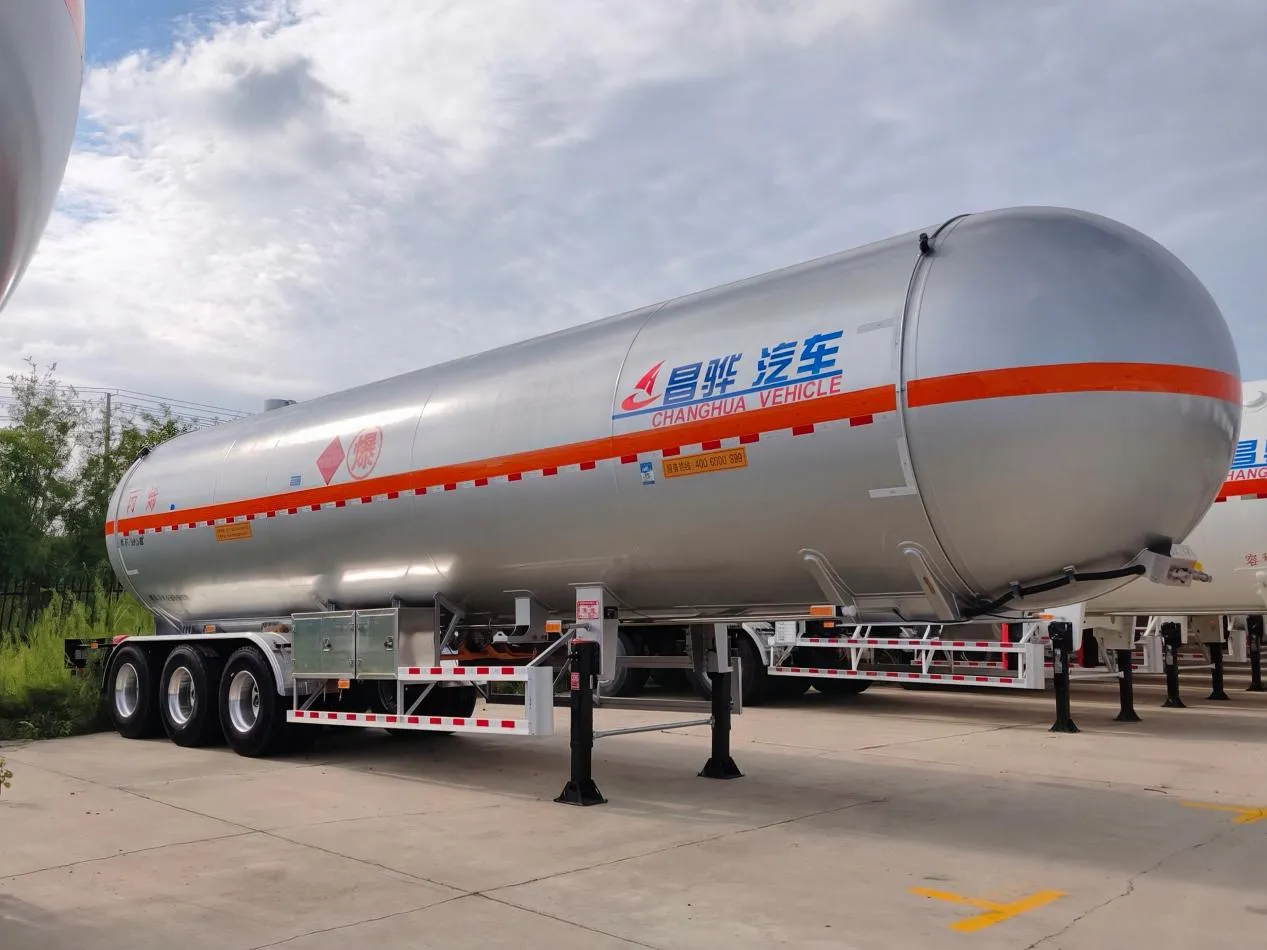
Corrosion Protection for the Pressure Vessel
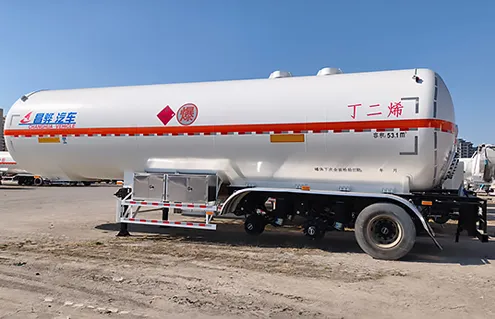
Within HCSV's gas tanker trailer range, the pressure-vessel material, corrosion allowance and safety configuration are matched to the cargo characteristics and design conditions. For propylene service, the tank uses high-strength pressure-vessel steel selected for the intended medium and operating requirements.
Corrosion allowance is calculated from the design life and expected corrosion rate, with sufficient allowance at critical areas. The design follows applicable Chinese safety rules for mobile pressure vessels and dangerous-goods transport. Welds, openings and other high-risk areas receive 100% radiographic inspection to identify internal welding imperfections that could weaken a joint or become starting points for corrosion.
· Internal surface protection Surface preparation is selected according to media compatibility. A compatible internal anticorrosion coating is available as an option to reduce slow chemical attack and coating separation risks.
· External surface protection A multilayer electrostatic spray process is combined with a salt-spray-resistant finish. The system is evaluated through salt spray and weather-resistance testing for hot, humid and coastal operating conditions.
· Optional cathodic protection Cathodic protection can be specified to provide additional corrosion control where the operating environment requires it.
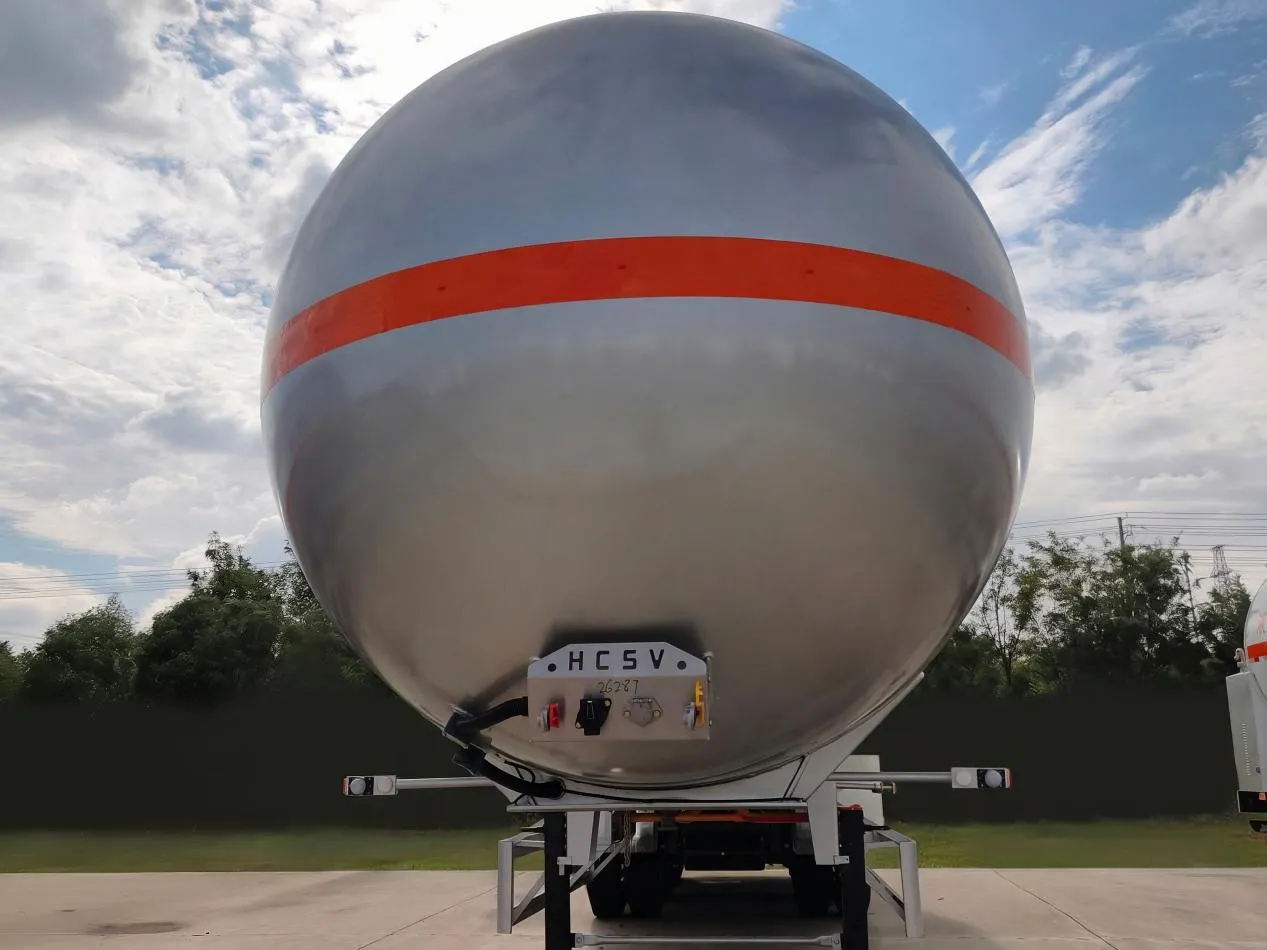
Leak Prevention Across Loading and Transport
Liquefied propylene is volatile and flows readily. Under vehicle vibration, even a small sealing failure may release product and create a fire or explosion risk. The leak-prevention design therefore covers loading, unloading and the full transport cycle.
Tank Structure and Surge Control
The tank heads are formed by spinning, while the shell uses automatic welding. Interior welds are ground smooth to reduce product hold-up areas and dead corners that could contribute to corrosion or leakage. Internal baffles are positioned with opening ratios and spacing that follow applicable requirements. This helps limit liquid surge during braking, cornering and travel over uneven roads, reducing deformation and the risk of gaps developing at sealed connections.
Sealing System for Repeated Loading Cycles
The manhole, discharge connection, safety valve and valve flanges use standard-compliant sealing materials selected for high- and low-temperature service. The seals resist aging and compression and are designed to maintain sealing performance from -40 °C to 80 °C. Key connections use a multilayer laminated sealing arrangement.
Emergency Isolation and Pressure Protection
A high-sensitivity emergency shut-off valve responds in less than three seconds and supports both manual and automatic activation. If a collision, rollover or pipeline rupture occurs, the valve shuts off product flow to help prevent a large release.
Safety valves, a rupture disc and leak-monitoring sensors provide layered protection. The system monitors tank pressure and sealing status, provides pressure relief at the set point and can issue an alert when a minor leak is detected.
Compliance Inspection and Service Support
The propylene tank trailer is developed in line with applicable Chinese special-equipment safety rules and dangerous-goods transport standards. HCSV holds the relevant manufacturing qualifications. Weight and monitoring functions are optimized without compromising structural strength or safety, helping reduce energy use and improve operating returns.
HCSV also manufactures LPG trailer products for propane and butane mixtures. Because propylene is a different cargo, its materials, seals and safety systems must be specified for propylene service.
Before delivery, each unit undergoes a pressure test, leak-tightness test, safety-accessory calibration and corrosion-protection performance inspection. After-sales support covers periodic corrosion checks and sealing-system maintenance.
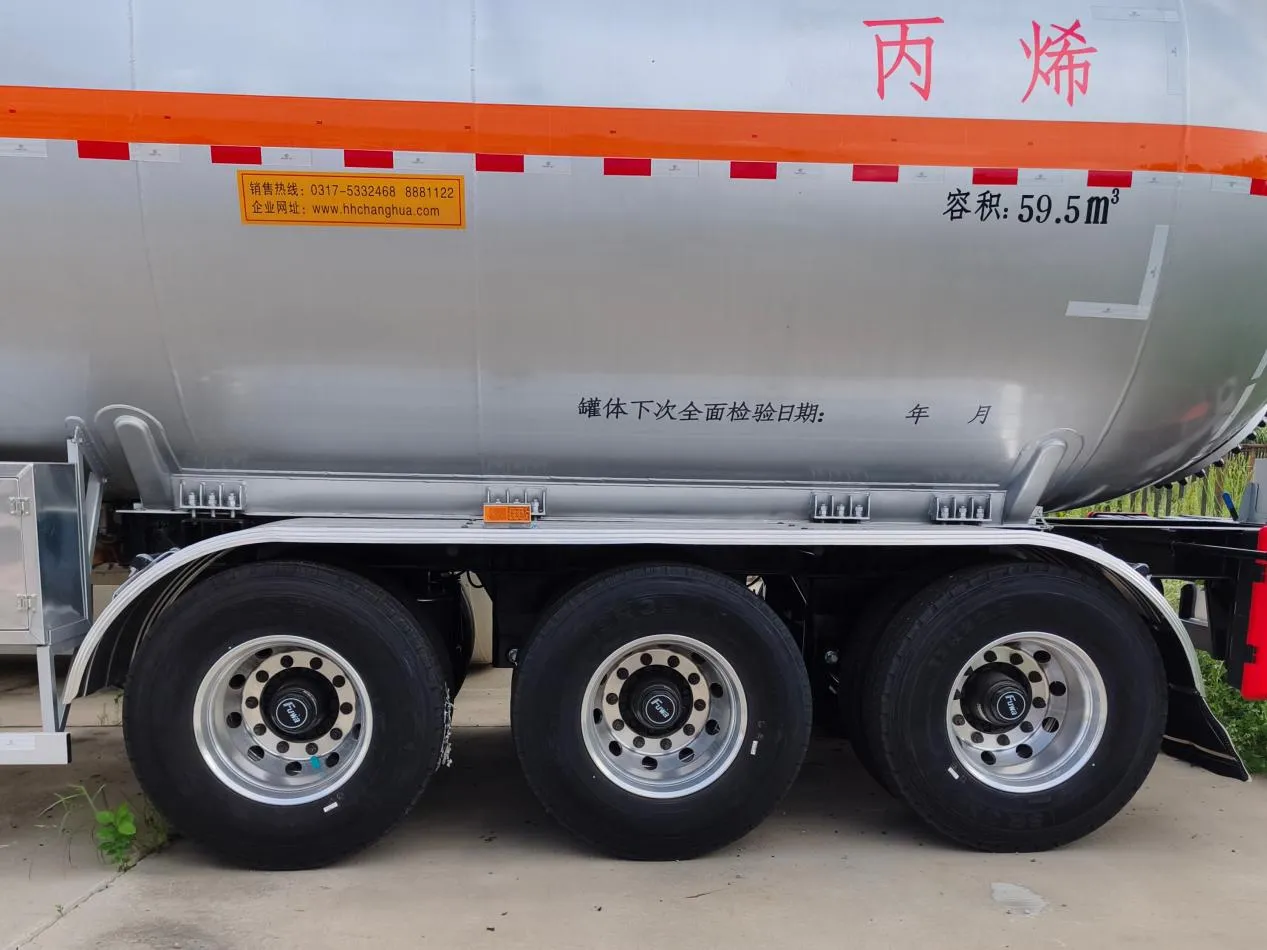
Propylene Service Requires Cargo Specific Engineering
Safe propylene transport begins with reliable corrosion control and leak prevention. HCSV combines pressure-vessel manufacturing, technical development and quality control to improve the durability, containment and operating efficiency of its propylene transport equipment. The company will continue to develop safety technology for hazardous-material logistics and refine equipment around real transport risks.
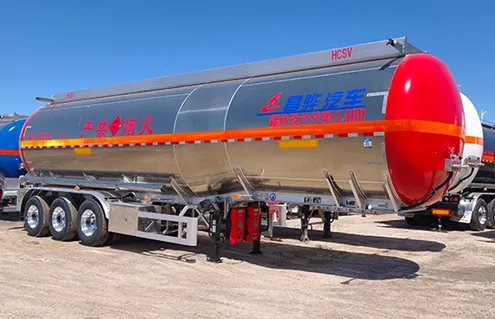
 Hebei Changhua Star Vehicle Co.,Ltd.